Stop Buying Celery: Grow Fresh Stalks Indoors Instead
Published: 9 Jun 2026
Growing celery indoors can be incredibly rewarding for home gardeners who enjoy fresh vegetables throughout the year. While many people consider it a challenging crop, it performs surprisingly well in containers when provided with consistent moisture, adequate light, and nutrient rich soil.
Unlike many leafy vegetables that mature quickly, this plant requires patience. However, the result is a steady supply of crisp stalks and fresh foliage that can be harvested for soups, salads, smoothies, and everyday cooking. Indoor cultivation also allows gardeners to avoid many of the weather related problems that affect outdoor crops.
Why Grow Celery Indoors?
Many gardeners focus on herbs and leafy greens for indoor growing, but celery deserves more attention. It grows well in containers and can provide a long harvest period when cared for properly. One major advantage of indoor cultivation is environmental control. Temperature, watering, and lighting can be managed more effectively, leading to healthier growth and improved stalk quality. Benefits include:
- Fresh harvests throughout the year
- Better control over growing conditions
- Reduced exposure to pests
- Easy access for regular harvesting
- Suitable for apartments and small spaces
Choosing the Right Container
Container selection is extremely important because the root system requires adequate space to support healthy stalk development. A shallow container often results in weak growth and reduced productivity. A wider container allows multiple plants to grow while maintaining proper spacing. Good drainage is equally important because waterlogged soil can quickly damage roots. When selecting a container:
- Choose a pot at least 10 to 12 inches deep
- Ensure drainage holes are present
- Select a wide container for multiple plants
- Use sturdy containers that retain moisture well
- Avoid very small pots that dry out quickly
Selecting the Best Soil
Soil quality directly affects growth, texture, and flavor. Celery prefers nutrient rich soil that remains consistently moist while still allowing excess water to drain away. A loose growing medium promotes healthy root development and allows plants to absorb nutrients efficiently throughout the growing season. A suitable potting mix should contain:
- Quality potting soil
- Compost or aged organic matter
- Coco coir or peat moss
- Perlite for drainage
- Slow release organic nutrients
Starting from Seed
Many gardeners start from seeds because it provides access to a wider selection of varieties. Germination can be slower than other vegetables, so patience is essential during the early stages. Seeds are small and should not be buried deeply. Consistent moisture and moderate warmth encourage successful germination. For successful seed starting:
- Sow seeds on the soil surface
- Press lightly into the growing medium
- Keep soil consistently moist
- Maintain temperatures between 65°F and 75°F
- Provide bright light after germination
Growing from Store Bought Stalks
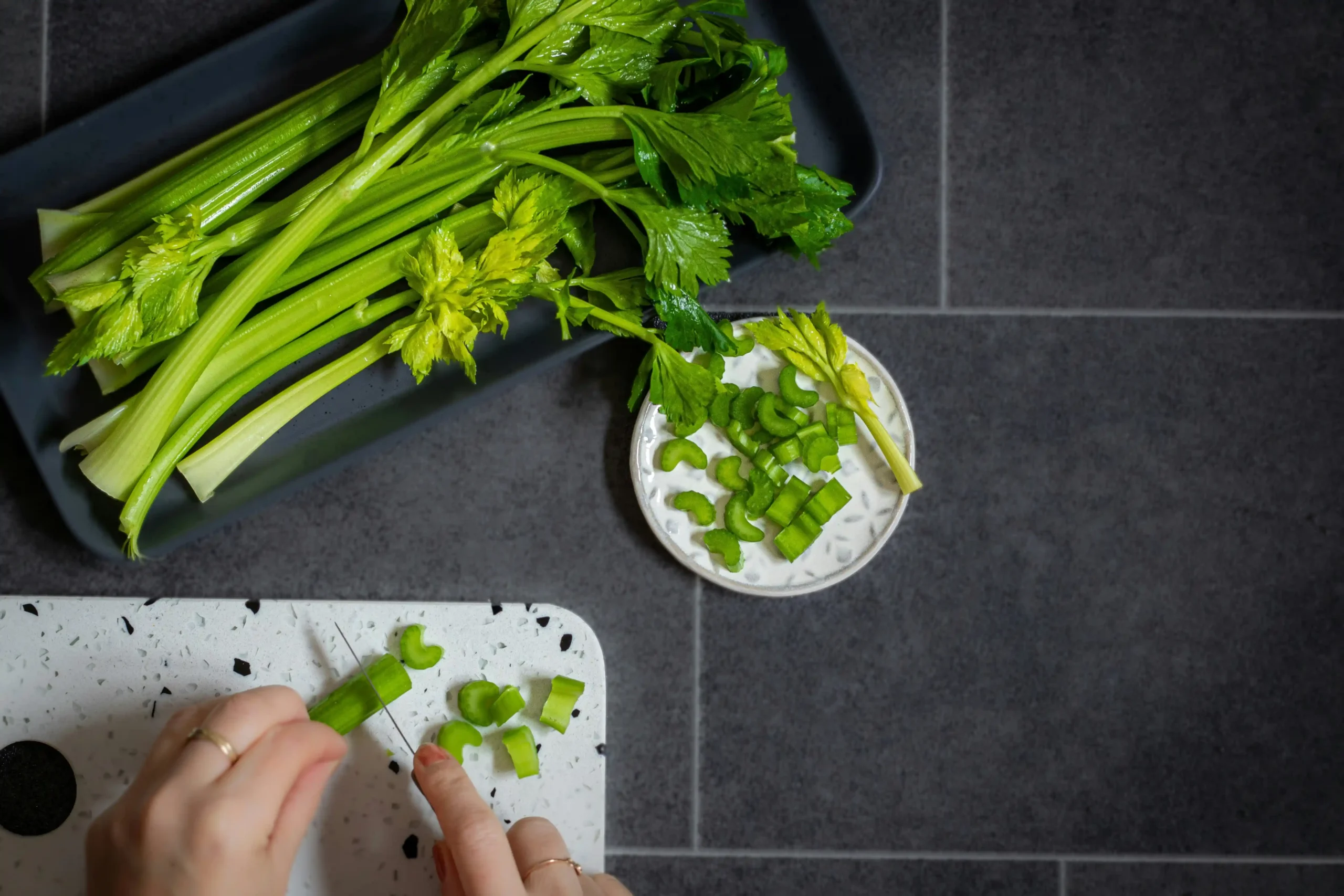
One of the easiest methods is regrowing from the base of a store bought bunch. While this method does not always produce large harvests, it is a fun way to start growing indoors. The center of the base often develops fresh leaves within a few days when placed in shallow water. Once roots begin forming, it can be transferred into soil. To regrow from scraps:
- Cut off the stalks and save the base
- Place the base in shallow water
- Change the water regularly
- Move to soil once new growth appears
- Keep the soil evenly moist
Light Requirements
Strong light is one of the most important factors for healthy growth. Without enough light, plants become weak, leggy, and slow to develop. A bright window may work in some homes, but grow lights often provide more reliable results throughout the year. For best growth:
- Provide 6 to 8 hours of direct sunlight
- Use grow lights when needed
- Rotate containers regularly
- Keep lights at the proper distance
- Avoid dark indoor corners
Watering Needs
Consistent moisture is critical because this vegetable contains a high percentage of water. Dry soil can quickly affect growth and lead to tough or stringy stalks. Unlike some vegetables that prefer drying out between watering, celery performs best when moisture levels remain steady. Good watering practices include:
- Check soil moisture frequently
- Keep the growing medium consistently moist
- Avoid waterlogged soil
- Water deeply when needed
- Reduce moisture loss with mulch
Fertilizing for Healthy Growth
Heavy feeding is necessary because the plant requires a steady supply of nutrients to produce thick, flavorful stalks. Nutrient deficiencies often result in pale leaves and slow development. Regular feeding helps maintain vigorous growth throughout the season. Important nutrients include:
- Nitrogen for leafy growth
- Phosphorus for root development
- Potassium for overall plant health
- Calcium for strong stems
- Magnesium for healthy foliage
Temperature and Humidity
Cool to moderate temperatures generally produce the best results. Excessive heat can slow growth and reduce overall quality. Indoor humidity levels also play a role in maintaining healthy foliage and preventing stress. Ideal conditions include:
- Temperatures between 60°F and 75°F
- Moderate humidity levels
- Good air circulation
- Protection from heat sources
- Stable growing conditions
Common Growing Problems
Even healthy plants can occasionally develop problems when environmental conditions are not ideal. Monitoring regularly helps prevent major issues before they become serious. Common issues include:
- Yellow leaves from overwatering
- Slow growth caused by low light
- Thin stalks due to nutrient deficiencies
- Brown leaf edges from dry soil
- Weak growth caused by overcrowding
- Wilting from inconsistent watering
- Pest infestations on tender foliage
Harvesting
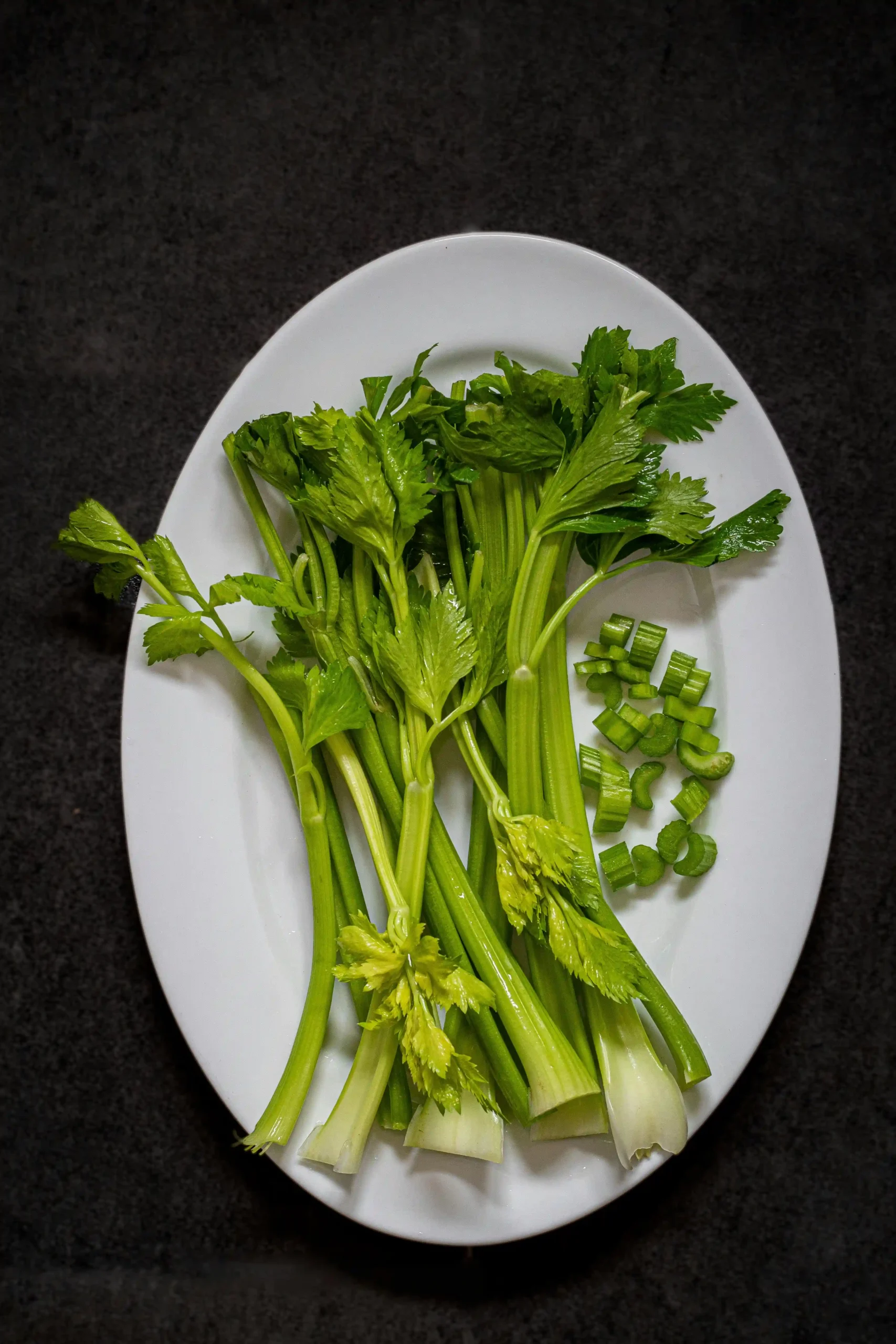
Patience is important because stalks need time to develop their size and flavor. Harvesting can begin once the outer stems become large enough for use in the kitchen. Many gardeners prefer harvesting individual outer stalks rather than removing the entire plant. This allows continued growth and extends the harvest period. For successful harvesting:
- Cut outer stalks first
- Use clean scissors or garden snips
- Leave the center intact for regrowth
- Harvest regularly to encourage production
- Remove damaged foliage when necessary
Final Thoughts
Growing celery indoors requires more attention than many common houseplants, but the rewards are worth the effort. Consistent moisture, rich soil, adequate lighting, and regular feeding are the keys to success.
With proper care, even a small indoor growing space can produce healthy stalks and fresh foliage for months. Once established, this versatile vegetable becomes a productive addition to any indoor garden and provides a reliable harvest throughout the growing season.
Thin stalks are usually caused by insufficient light, overcrowding, poor nutrition, or inconsistent watering. This crop needs rich soil and constant moisture to develop thick, crunchy stems.
Bitterness is often caused by heat stress, underwatering, or harvesting mature stalks too late. Consistent moisture and moderate temperatures help improve flavor.
Yes. The base can produce new leaves and stems when placed in water and later transferred to soil. While it may not produce a large harvest, it is an easy way to start growing.
Harvesting individual outer stalks is usually the better option because it allows the center of the plant to continue producing new growth.
Hollow stems are often caused by uneven watering, nutrient deficiencies, or environmental stress during development.
Yes. This vegetable contains a high amount of water and performs best when the soil remains consistently moist.
A healthy plant can produce numerous harvestable stalks over an extended period when outer stems are harvested regularly.
Seeds generally produce stronger and more productive plants, while scraps are easier for beginners and can provide a quicker start.
This often happens because of insufficient light, cold temperatures, poor soil fertility, or overcrowding.



- Be Respectful
- Stay Relevant
- Stay Positive
- True Feedback
- Encourage Discussion
- Avoid Spamming
- No Fake News
- Don't Copy-Paste
- No Personal Attacks
- Be Respectful
- Stay Relevant
- Stay Positive
- True Feedback
- Encourage Discussion
- Avoid Spamming
- No Fake News
- Don't Copy-Paste
- No Personal Attacks
