15 Secrets to Growing Potatoes Indoors Successfully
Published: 26 Jun 2026
Growing potatoes indoors can be surprisingly rewarding, especially for gardeners who have limited outdoor space or want to grow fresh food year round. Many people think this crop only performs well in large gardens or farms, but with the right setup, healthy tubers can be produced successfully indoors. Container growing makes it possible to manage space efficiently while still achieving productive harvests.
Success depends on understanding how the plant grows underground and what conditions support strong tuber development. Unlike leafy crops, this vegetable needs both healthy top growth and enough underground space to produce well. Strong light, loose soil, deep containers, balanced feeding, and consistent watering all play a major role. When these factors are managed properly, indoor cultivation can produce excellent results.
Why Grow Potatoes Indoors?
Indoor cultivation offers more control over important growing conditions. You can manage soil quality, watering, lighting, and temperature much more easily compared to outdoor growing. This creates a more stable environment for healthy development. Another advantage is protection from outdoor stress. Weather changes, heavy rain, extreme heat, and certain pests can negatively affect production. Growing indoors reduces many of these challenges and allows more consistent care. Benefits include:
- Fresh homegrown harvests
- Great for container gardening
- Suitable for limited spaces
- Better environmental control
- Reduced outdoor stress
- Year round growing potential
Choosing the Right Variety
Variety selection is extremely important because some potatoes perform much better in containers than others. Early maturing and compact varieties are usually best for indoor growing because they develop faster and need less space. Large varieties that require long growing periods can be more difficult to manage indoors. Choosing the right type increases productivity and improves harvest quality. Best varieties include:
- Yukon Gold
- Red Pontiac
- Fingerling
- Irish Cobbler
- Kennebec
- Norland
Understanding How Potatoes Grow
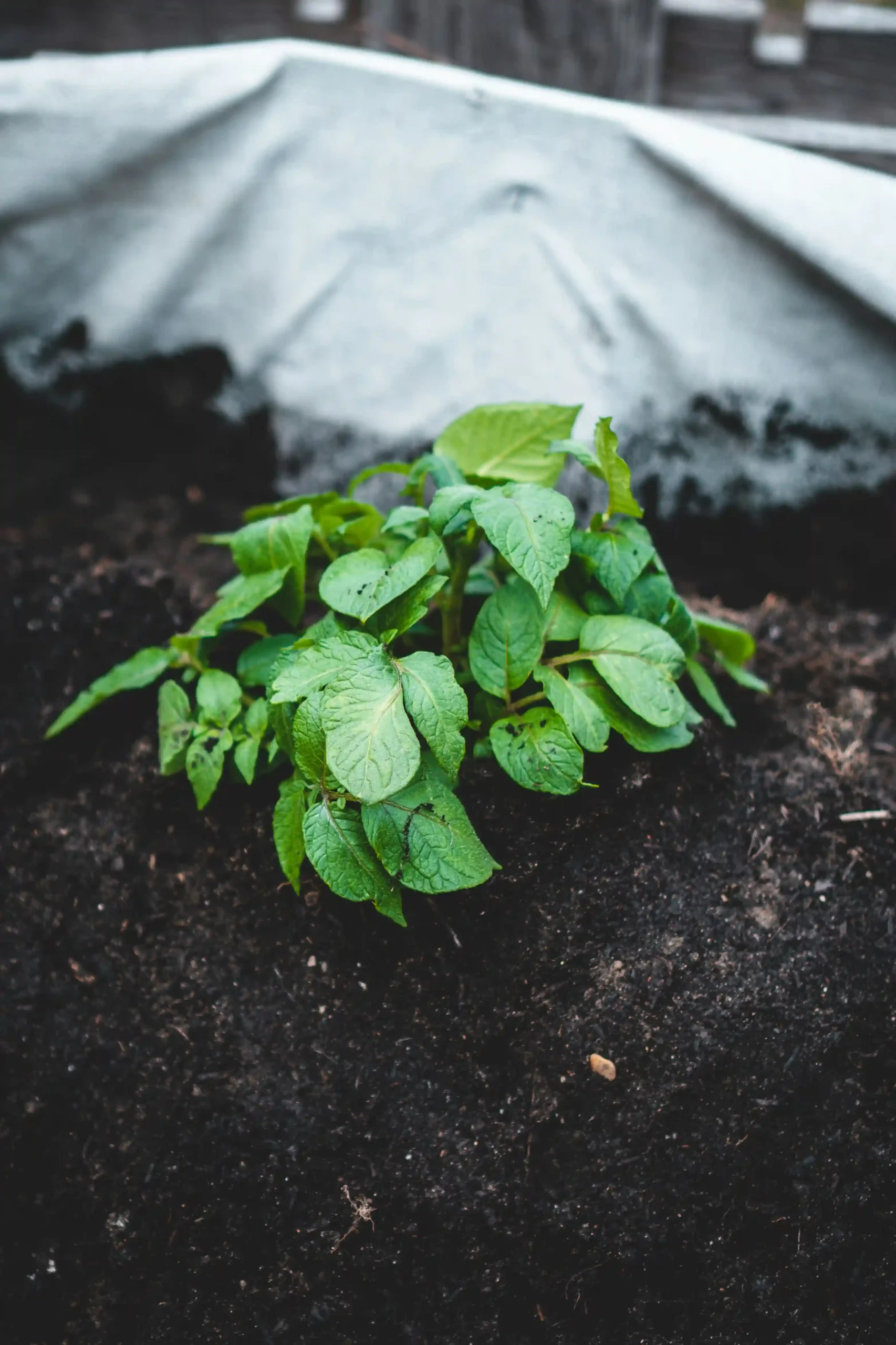
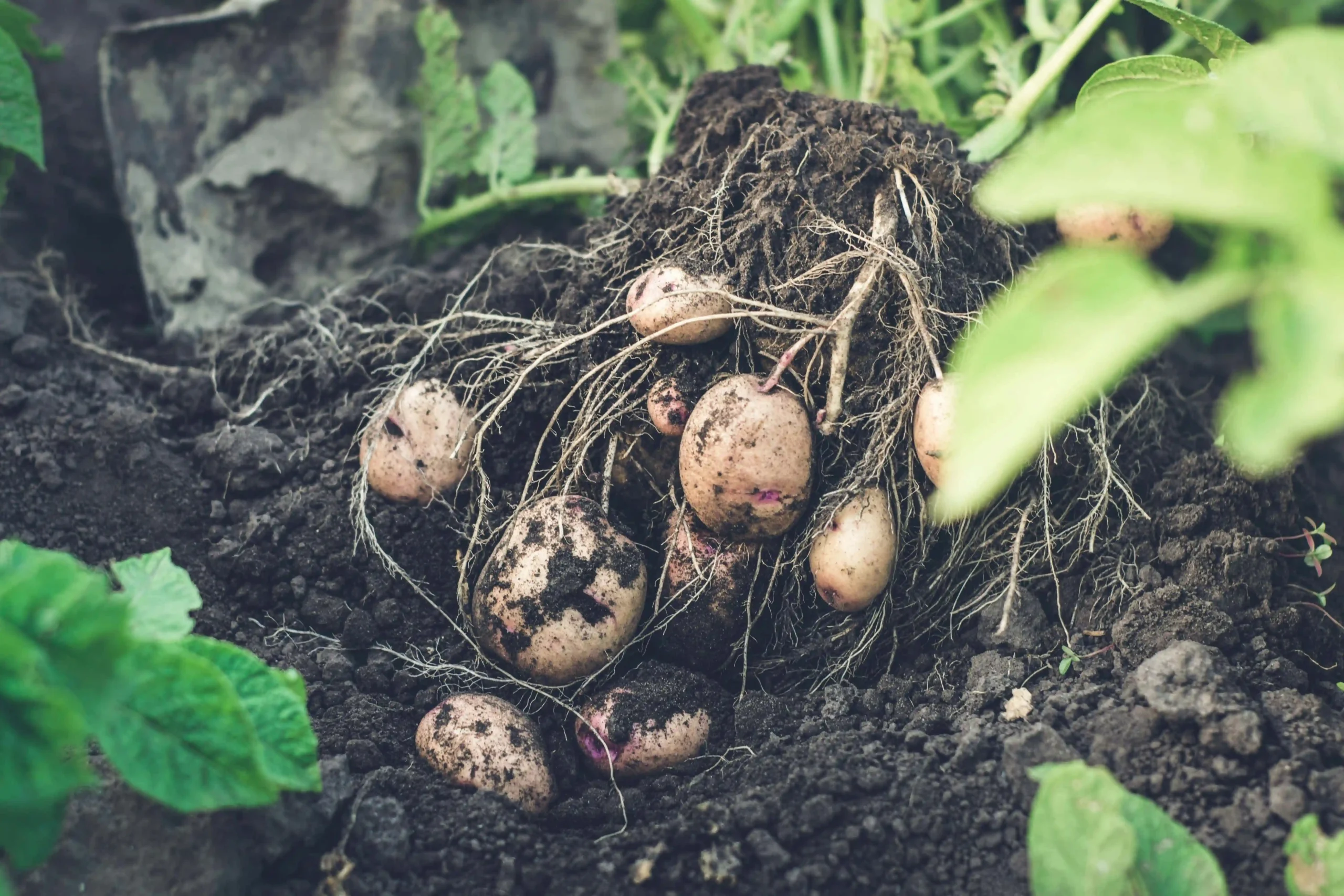
This crop grows from seed potatoes rather than true seeds. After planting, shoots emerge upward while roots and underground stems develop below the soil. Tubers form at the end of underground stems called stolons. Healthy foliage is essential because leaves produce energy needed for tuber growth. Strong top growth usually leads to better underground production. Healthy plants usually show:
- Thick stems
- Healthy green leaves
- Strong root development
- Steady upward growth
- Healthy tuber formation
Choosing the Right Container
Container size directly affects harvest size and overall productivity. Shallow or small containers restrict underground growth and reduce tuber development. Deep containers are ideal because they allow hilling, which helps increase production. Grow bags, deep pots, and large containers all work well. For best results:
- Use deep containers
- Choose 15 to 20 gallon containers
- Ensure drainage holes
- Avoid shallow pots
Best Soil for Indoor Growing
Loose, fertile, and well draining soil is essential for healthy growth. Heavy compact soil makes tuber expansion difficult and can cause deformities or poor harvests. The soil should stay moist while still draining excess water efficiently. Good aeration is important for root health. A good soil mix includes:
- Quality potting mix
- Compost
- Coco coir
- Perlite
Light Requirements
Strong light is one of the most important requirements. Healthy foliage growth depends heavily on adequate light exposure. Weak lighting often leads to leggy stems and smaller harvests. Indoor growers often achieve better results using grow lights because natural indoor light is not always sufficient. For healthy growth:
- Provide 8 to 10 hours of strong light
- Use grow lights if needed
- Keep light consistent
- Avoid dark areas
Temperature Requirements
Cool to moderate temperatures support healthy growth and tuber development. Extreme heat slows tuber formation and can stress plants significantly. Stable temperatures improve growth consistency and overall productivity. Ideal conditions include:
- 60°F to 75°F daytime
- Cool nights
- Stable temperatures
- Good airflow
Starting From Seed Potatoes
Planting usually starts with seed potatoes or sprouted tubers. Small whole seed potatoes can be planted directly, while larger ones can be cut into pieces as long as each piece contains healthy eyes. Allow cut pieces to dry before planting to reduce rot risk. This helps the cut surface heal. For successful planting:
- Use healthy seed potatoes
- Ensure visible eyes
- Let cut pieces dry
- Plant properly
Planting Process
Planting depth matters because this affects root establishment and future tuber formation. Start with a partially filled container rather than filling it completely. As stems grow taller, additional soil is added gradually through hilling. For planting:
- Fill container partially
- Plant seed potatoes
- Cover with soil
- Water lightly
Watering Requirements
Proper watering is critical during every growth stage. Uneven watering can cause poor development, cracked tubers, or reduced harvest quality. The soil should remain evenly moist but never soggy. Overwatering is one of the most common causes of failure. For proper watering:
- Check soil regularly
- Water deeply
- Maintain even moisture
- Avoid soggy soil
Fertilizing for Better Growth
This crop needs consistent nutrients for both foliage growth and tuber development. Balanced feeding improves overall plant health and harvest quality. Too much nitrogen can produce excessive foliage with fewer tubers, so balanced nutrition is important. For feeding:
- Use balanced fertilizer
- Feed regularly
- Add compost
- Monitor growth
The Importance of Hilling
Hilling is one of the most important steps in growing potatoes successfully. As stems grow, additional soil is added around the base. This encourages more tubers to develop and protects them from light. Exposed tubers can turn green and become unusable, so proper coverage is essential. For proper hilling:
- Add soil gradually
- Cover lower stems
- Keep leaves exposed
- Repeat during growth
Airflow and Humidity
Good airflow helps reduce fungal issues and improves plant health. Poor airflow often creates humid conditions that encourage disease. Balanced humidity supports healthy growth without increasing disease pressure. For better conditions:
- Improve airflow
- Avoid overcrowding
- Maintain moderate humidity
- Reduce stagnant air
Growth Timeline
Understanding the growth cycle helps manage expectations. This crop develops in stages, beginning with sprouting and ending with mature tuber formation. Early varieties mature faster, while larger varieties need more time. Growth stages include:
- Sprouting stage
- Leaf growth
- Root expansion
- Tuber formation
- Maturity stage
Harvesting
Harvest timing depends on whether you want baby potatoes or mature tubers. Young harvests are tender and flavorful, while mature harvests offer better storage and larger yields. Plants usually show clear visual signs when harvest time approaches. Signs of readiness include:
- Yellowing foliage
- Drying stems
- Slower growth
- Mature tubers
Common Growing Problems
Most indoor problems are linked to watering issues, weak light, poor soil, or temperature stress. Early identification makes correction easier. Regular inspection helps maintain healthy plants. Common issues include:
- Yellow leaves
- Slow growth
- Rot
- Wilting
- Weak stems
- Small tubers
Common Indoor Pests
Indoor environments can still attract pests, especially in warm growing conditions. Monitoring plants regularly helps catch infestations early. Healthy plants recover better from minor pest problems. Common pests include:
- Aphids
- Spider mites
- Fungus gnats
- Whiteflies
Common Mistakes to Avoid
Most growing failures happen because of avoidable mistakes. Correcting these issues greatly improves results. Avoid these mistakes:
- Small containers
- Poor drainage
- Weak lighting
- Overwatering
- Skipping hilling
- Poor airflow
How to Increase Harvest Indoors
Higher yields come from optimizing all major growing factors together. Small improvements in several areas often produce much better harvests. Productivity improves when growing conditions stay consistent. For better harvests:
- Use deep containers
- Choose early varieties
- Improve lighting
- Hill properly
- Feed consistently
- Water evenly
- Maintain cool temperatures
- Monitor plant health
Final Thoughts
Growing potatoes indoors takes patience and planning, but it can be highly rewarding for gardeners who want fresh homegrown harvests year round. Success depends on providing enough root space, proper lighting, loose soil, and consistent care. With the right setup, healthy plants can thrive indoors and produce productive harvests with excellent quality.
Frequently Asked Questions (FAQs)
This usually happens when the plant puts too much energy into foliage instead of tuber production. Common reasons include too much nitrogen fertilizer, weak lighting, or insufficient container depth.
This happens when tubers develop close to the surface because the plant was not hilled properly. Exposed tubers turn green when exposed to light.
No. Green potatoes contain higher levels of solanine, which can be toxic if consumed in large amounts. Always discard heavily green tubers.
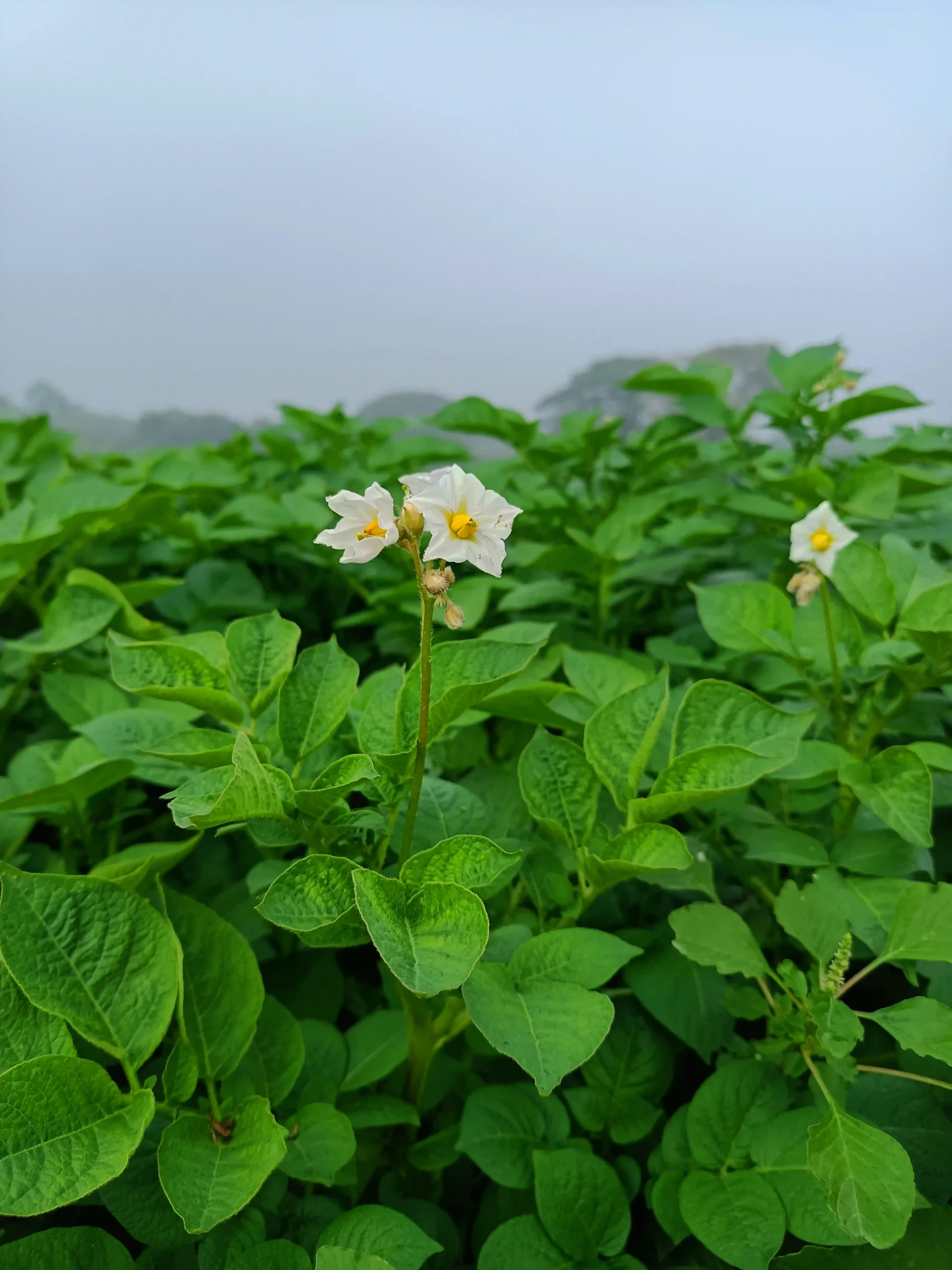
Flowering does not guarantee good tuber production. Poor lighting, improper watering, nutrient imbalance, or small containers can reduce underground growth.
Cracking usually happens because of inconsistent watering. Dry soil followed by sudden heavy watering causes rapid tuber expansion.
Soft tubers often indicate overwatering, rot, disease, or harvesting too late after plant decline.
Yes, if they are healthy and disease free. Potatoes with strong sprouts can often grow successfully indoors.
Hilling usually starts when stems reach about 6 to 8 inches tall and continues as the plant grows.
This may be natural aging near harvest, but early yellowing often points to watering stress or nutrient deficiency.
Yes, you can carefully dig around the edges to remove baby potatoes while allowing the plant to continue growing.





- Be Respectful
- Stay Relevant
- Stay Positive
- True Feedback
- Encourage Discussion
- Avoid Spamming
- No Fake News
- Don't Copy-Paste
- No Personal Attacks
- Be Respectful
- Stay Relevant
- Stay Positive
- True Feedback
- Encourage Discussion
- Avoid Spamming
- No Fake News
- Don't Copy-Paste
- No Personal Attacks
