10 Indoor Squash Growing Tips for Bigger Better Harvests
Published: 24 Jun 2026
Growing squash indoors may sound difficult because most plants are known for their vigorous growth, large leaves, and sprawling vines. Many gardeners assume they only perform well in outdoor gardens, but with the right setup, certain varieties can grow successfully indoors. Compact bush varieties are usually the best option because they require less space and are easier to manage in containers.
This plant growing requires planning because these plants need strong light, nutrient rich soil, large containers, proper watering, and reliable pollination. Squash plants are heavy feeders and fast growers, so their needs are higher than herbs or leafy vegetables. If you can provide the right conditions, growing squash indoors can be highly rewarding, giving you fresh homegrown vegetables from your indoor garden.
Why Grow Squash Indoors?
Growing squash indoors is a great option for gardeners with limited outdoor space or those who enjoy challenging crops. It allows you to grow fresh vegetables while maintaining control over the growing environment.
Indoor gardening also helps reduce many outdoor problems such as weather stress and pest pressure. This gives you more control over plant health and productivity. Benefits include:
- Fresh homegrown vegetables
- Great for container gardening
- Suitable for limited spaces
- Better environmental control
- Reduced outdoor pest pressure
- Rewarding harvests
Choosing the Right Variety
This is one of the most important decisions for indoor success. Many varieties grow aggressively and require too much space for indoor growing. Bush and compact varieties are better choices because they stay more manageable while still producing good yields. Best varieties include:
- Bush Baby
- Eight Ball
- Butterbush
- Bush Delicata
- Early Prolific Straightneck
- Table King
Understanding the Growth Habit
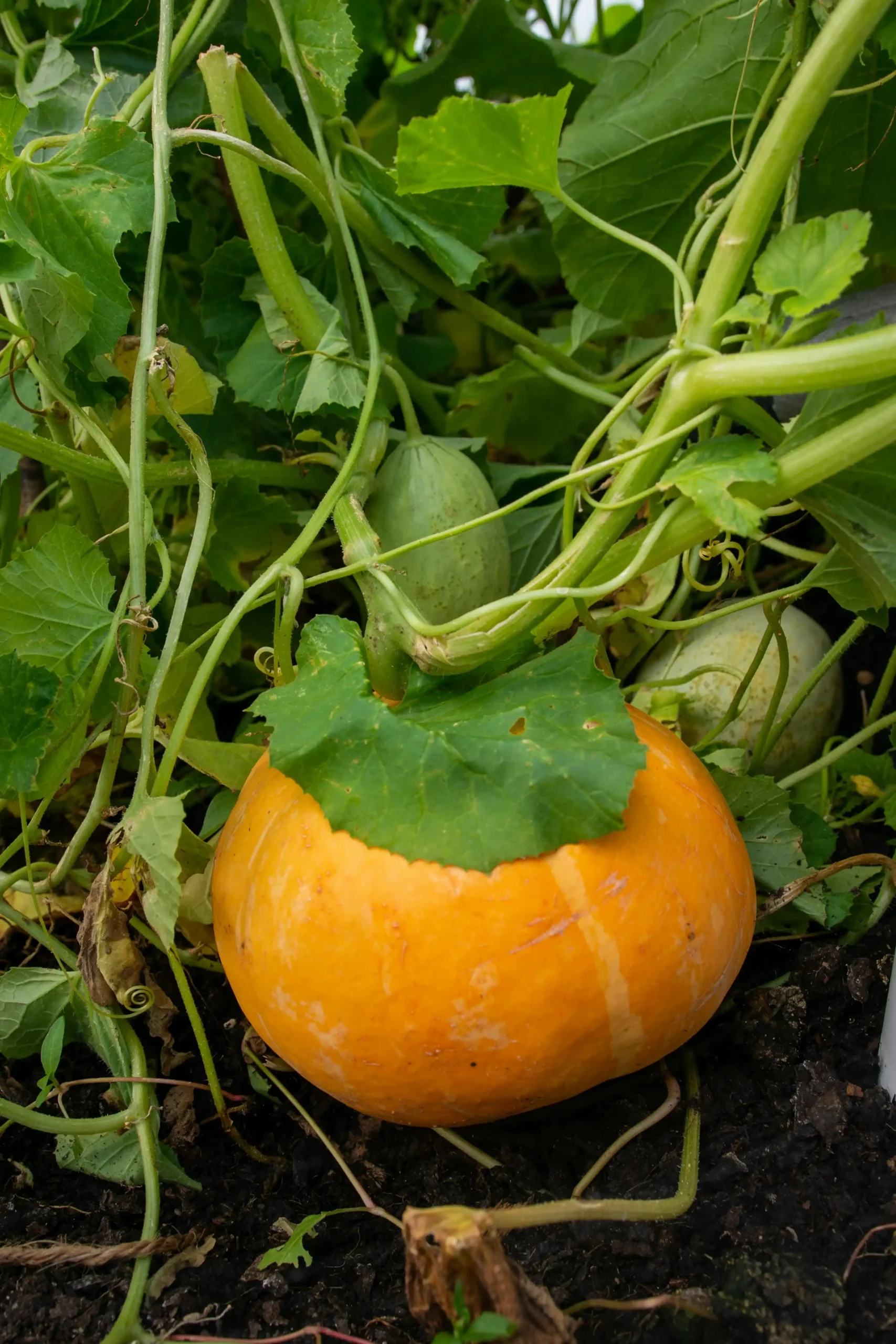
These plants are vigorous growers with large leaves and thick stems. Some grow as bush plants while others produce long vines. Bush types are much easier to manage indoors.
These plants produce male and female flowers separately. Male flowers usually appear first and provide pollen. Female flowers have a swollen base behind the flower that later develops into fruit after successful pollination. Healthy plants usually show:
- Thick stems
- Large healthy leaves
- Fast growth
- Strong roots
- Regular flowering
- Healthy fruit development
Choosing the Right Container
These plants need substantial root space because they grow fast and feed heavily. Small containers restrict roots, slow growth, and reduce fruit production. Larger containers improve root development and help maintain more stable moisture levels. For best results:
- Use 10 to 20 gallon containers
- Choose wide containers
- Ensure drainage holes
- Avoid shallow pots
Best Soil for Indoor Growing
These plants need fertile, well draining soil rich in nutrients. Poor soil often leads to weak growth, yellow leaves, and low productivity. The growing medium should hold moisture while draining excess water easily. A good soil mix includes:
- Quality potting mix
- Compost
- Perlite
- Organic matter
Light Requirements
Light is one of the biggest challenges when growing squash indoors. These plants naturally prefer full sun and require strong light for healthy growth and fruit production. Weak lighting often leads to weak stems, poor flowering, and low yields. For healthy growth:
- Provide 8 to 12 hours of strong light
- Use strong grow lights
- Keep lighting consistent
- Avoid low light areas
Temperature Requirements
Squash grows best in warm temperatures. Cold conditions slow growth and delay flowering, while extreme heat can stress plants and reduce fruit production. Stable temperatures help improve plant health and productivity. Ideal conditions include:
- 65°F to 85°F daytime
- Slightly cooler nights
- Stable temperatures
- Good airflow
Starting From Seed
Growing from seed is the easiest and most reliable way to grow this plant indoors. Seeds germinate quickly in warm conditions and establish fast. Most growers sow directly into the final container because squash roots dislike disturbance. For successful germination:
- Plant seeds 1 inch deep
- Keep soil moist
- Maintain warmth
- Provide bright light
Watering Requirements
These plants need consistent moisture for healthy growth and fruit development. Their large leaves lose water quickly, especially under grow lights. Under watering causes stress while overwatering can damage roots. For proper watering:
- Check soil regularly
- Water deeply
- Keep soil evenly moist
- Avoid soggy soil
Fertilizing for Better Growth
These plants are heavy feeders and need regular nutrients to support fast growth, flowering, and fruit production. Balanced nutrition improves both plant health and yields. For feeding:
- Use balanced fertilizer
- Feed regularly
- Add compost
- Monitor growth
Pollination Indoors
Pollination is one of the most important parts of indoor squash growing. Without pollination, flowers may bloom but fruit will not develop. Manual pollination is usually necessary because indoor spaces lack natural pollinators. For successful pollination:
- Identify male flowers
- Identify female flowers
- Transfer pollen manually
- Pollinate in morning
Supporting Plants and Fruits
Even compact varieties may benefit from support, especially if fruits become heavy. Proper support improves airflow and prevents stem stress. Training plants can also help save space indoors. Helpful supports include:
- Stakes
- Trellises
- Netting
- Fruit supports
Harvesting Squash
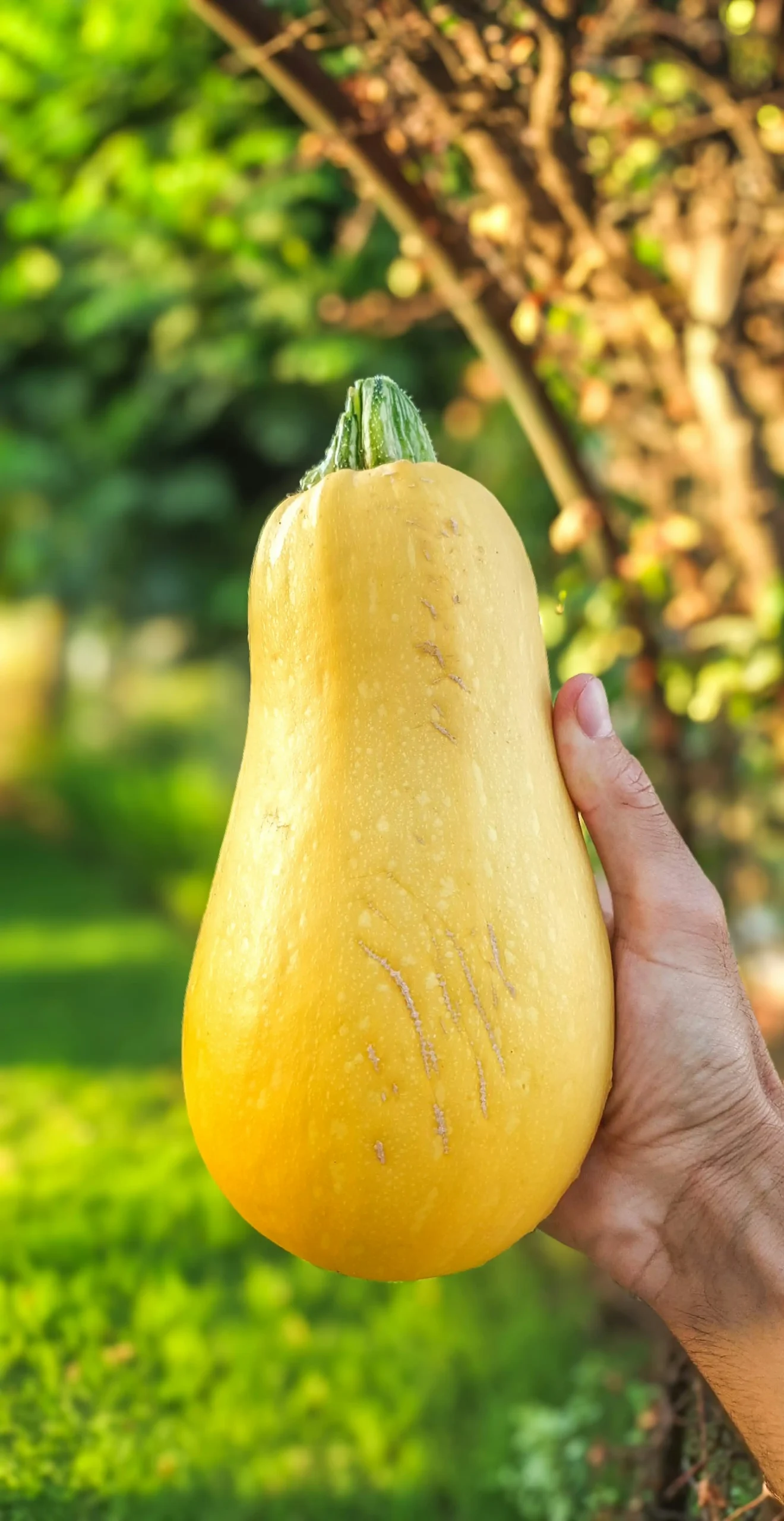
Harvest timing depends on the variety. Summer squash is usually best when young and tender, while winter squash needs full maturity. Frequent harvesting encourages better production in many varieties. Signs of readiness include:
- Mature color
- Proper size
- Firm texture
- Healthy appearance
Common Growing Problems
Most indoor problems are caused by poor lighting, watering mistakes, or pollination failure. Early detection helps prevent bigger issues. Common issues include:
- Yellow leaves
- Weak growth
- Flower drop
- No fruit set
- Slow growth
- Wilting
Common Indoor Pests
Indoor squash plants can still attract pests, especially in warm growing conditions. Routine inspection helps catch problems early. Common pests include:
- Aphids
- Spider mites
- Whiteflies
- Fungus gnats
Common Mistakes to Avoid
Most failures happen because of a few common mistakes. Avoiding them greatly improves success. Avoid these mistakes:
- Growing large varieties
- Weak lighting
- Small containers
- Poor pollination
- Overwatering
- Poor airflow
Final Thoughts
Growing squash indoors requires effort, but it can be a rewarding experience for gardeners who want fresh vegetables from container gardening. Success depends on choosing the right variety and providing proper growing conditions. With strong light, rich soil, consistent care, and proper pollination, squash plants can grow successfully indoors and produce healthy harvests.
Frequently Asked Questions (FAQs)
This usually happens because pollination is failing. Flowers may bloom normally, but without successful pollen transfer, fruits will not develop.
Flowers naturally last for a short time, but early drying can also happen due to heat stress, underwatering, or poor pollination.
Healthy leaves do not always mean healthy production. Slow growth is commonly caused by weak light, root restriction, or poor nutrient availability.
Moderate humidity works best. Very high humidity can increase disease risk, while very low humidity may stress flowers.
Most varieties are ready within 45 to 90 days depending on type, variety, and growing conditions.
Yes. Indoor plants usually need manual pollination because natural pollinators are absent.
Male flowers grow on thin stems. Female flowers have a swollen base behind the flower that looks like a tiny fruit.
Yes, a healthy plant can produce a good harvest indoors, especially bush varieties. Production depends heavily on light, container size, nutrition, and pollination.
Poor flavor is often caused by weak light, overwatering, harvesting too early, or nutrient imbalance. Better light exposure usually improves flavor and texture.
This usually happens because pollination did not occur successfully. Stress from inconsistent watering, heat, or weak light can also cause female flowers to drop.




- Be Respectful
- Stay Relevant
- Stay Positive
- True Feedback
- Encourage Discussion
- Avoid Spamming
- No Fake News
- Don't Copy-Paste
- No Personal Attacks
- Be Respectful
- Stay Relevant
- Stay Positive
- True Feedback
- Encourage Discussion
- Avoid Spamming
- No Fake News
- Don't Copy-Paste
- No Personal Attacks
