How to Grow Pumpkins Indoors for Healthy Vines and Better Harvests
Published: 22 Jun 2026
Growing pumpkins indoors may sound impossible because most people associate them with large gardens and long sprawling vines. While full sized varieties are difficult to manage indoors, compact and miniature varieties can actually grow surprisingly well inside when given the right conditions. The biggest challenge is recreating the environment these heavy feeding plants naturally prefer.
Indoor pumpkin growing requires more effort than growing herbs or leafy vegetables because they need strong lighting, large containers, nutrient rich soil, warm temperatures, and manual pollination. But if you can meet these requirements, growing them indoors becomes one of the most exciting and rewarding gardening projects.
Why Grow Pumpkins Indoors?
Growing pumpkins indoors is ideal for gardeners with limited outdoor space or those who enjoy growing challenging crops. They are visually rewarding because they change quickly through each growth stage. You can watch the plant go from a seedling to a vigorous vine, then to flowering, and eventually fruit production.
Indoor growing also gives you better control over temperature, pests, watering, and soil quality compared to outdoor gardening. Benefits include:
- Unique indoor gardening project
- Decorative harvest
- Great learning experience
- Full environmental control
- Reduced outdoor pest pressure
- Fun for gardening enthusiasts
Choosing the Right Pumpkin Variety
Choosing the right variety is the most important step because not all varieties are suitable for indoor growing. Large varieties need too much space, stronger root systems, and produce fruits that become too heavy to manage indoors. Compact and mini varieties are much better because they produce smaller vines and manageable fruits while still giving excellent harvests. Best varieties include:
- Jack Be Little
- Wee Be Little
- Baby Boo
- Munchkin
- Small Sugar
- Casperita
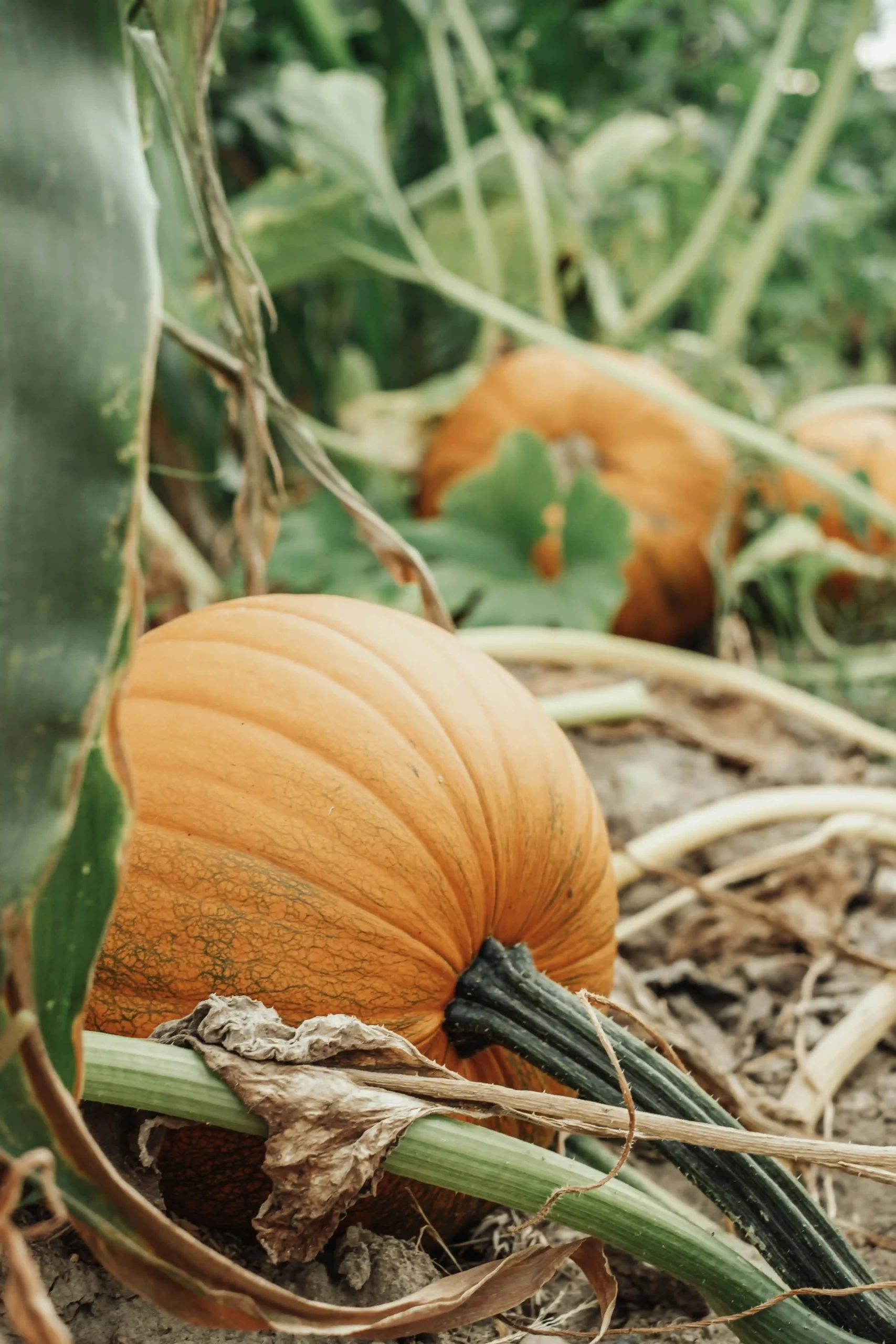
Understanding the Growth Habit
Pumpkins are vigorous growers with fast growing vines, large leaves, and thick stems. Once established, the plant grows aggressively and can spread quickly if left unmanaged. Understanding how the plant grows helps you plan space properly.
They produce male and female flowers separately. Male flowers appear first and grow on thin stems. Female flowers appear later and have a small swollen base behind the flower that looks like a tiny pumpkin. Fruit develops only from female flowers after successful pollination. Healthy plants show:
- Thick stems
- Large green leaves
- Strong vine growth
- Healthy foliage color
- Frequent flowering
- Strong root system
Choosing the Right Container
They develop large root systems and need plenty of room to grow. Small containers restrict roots, reduce nutrient uptake, and limit fruit production. This often leads to weak vines and poor flowering. A large container gives roots enough room to spread and supports healthier growth throughout the plant’s life cycle. For best results:
- Use 15 to 25 gallon containers
- Choose wide containers
- Ensure proper drainage
- Avoid shallow pots
Best Soil for Indoor Growing
They are heavy feeders, which means they consume nutrients quickly. They need fertile, loose, and well draining soil to support rapid growth, flowering, and fruit development. Poor soil often causes weak vines, yellow leaves, and low productivity. The ideal growing medium should hold moisture while allowing excess water to drain easily. Healthy roots need both water and oxygen. A good soil mix includes:
- Quality potting mix
- Compost
- Perlite
- Organic matter
Light Requirements
Light is one of the biggest challenges when growing pumpkins indoors. These plants naturally grow in open sunny environments and require strong light daily. Weak lighting causes leggy vines, slow growth, fewer flowers, and poor fruit development. A bright window alone is rarely enough unless it receives strong direct sunlight for most of the day. Grow lights are often necessary for reliable results. For healthy growth:
- Provide 8 to 12 hours of light
- Use strong LED grow lights
- Keep lighting consistent
- Avoid dark areas
Temperature Requirements
They prefer warm growing conditions. Cold temperatures slow growth and delay flowering, while excessive heat stresses the plant and reduces productivity. Stable temperatures are essential for healthy vines and successful pollination. Avoid placing plants near drafty windows, air conditioners, or heaters because sudden temperature changes can stress the plant. Ideal conditions include:
- 70°F to 85°F daytime
- Slightly cooler nights
- Stable environment
- Good airflow
Starting From Seed
Growing pumpkins from seed is the easiest and most reliable method. The seeds germinate quickly in warm conditions and establish fast when planted in nutrient rich soil. Most gardeners prefer sowing directly into the final container because they do not like root disturbance. For best germination:
- Plant seeds 1 inch deep
- Keep soil moist
- Maintain warmth
- Provide bright light
Watering Requirements
Pumpkins need consistent moisture because their large leaves lose water quickly. Underwatering causes drooping and plant stress, while overwatering can damage roots and encourage fungal problems. The goal is evenly moist soil without waterlogging. Deep watering works better than frequent shallow watering. For proper watering:
- Check soil regularly
- Water deeply
- Keep soil evenly moist
- Avoid soggy soil
Fertilizing for Better Growth
They are heavy feeders and require regular nutrients to support fast vine growth and fruit production. They need nitrogen during early growth for leaves and vines, then more phosphorus and potassium for flowering and fruiting. Without enough nutrients, growth slows and fruit production declines. For feeding:
- Use balanced fertilizer
- Feed regularly
- Add compost
- Monitor plant growth
Pollination Indoors
Pollination is one of the most important parts of indoor pumpkin growing. Without natural pollinators like bees, flowers may bloom but fruits will not develop. This makes manual pollination necessary in most indoor setups. The process involves transferring pollen from male flowers to female flowers using a brush or cotton swab. Morning is usually the best time because flowers are fully open. For successful pollination:
- Identify male flowers
- Identify female flowers
- Transfer pollen manually
- Pollinate in morning
Supporting Vines and Fruits
Even compact varieties can spread aggressively indoors. Training vines vertically helps save space and improves airflow around the plant. As fruits develop, they may become heavy and put pressure on the vines. Supporting fruits prevents damage and reduces stress. Helpful supports include:
- Trellises
- Stakes
- Netting
- Fruit slings
Harvesting Pumpkins
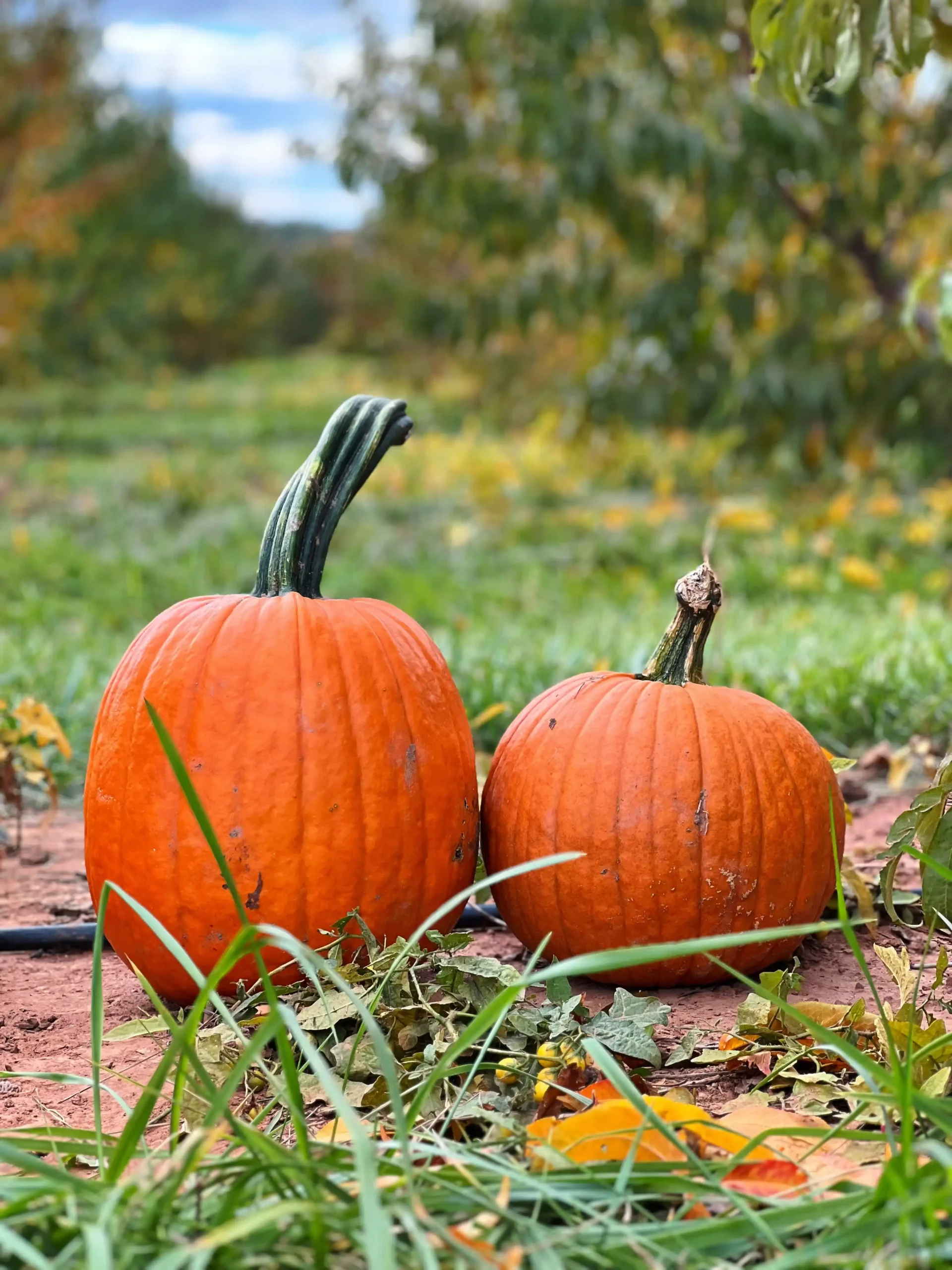
Harvest timing depends on variety, but they should be harvested only after full maturity. Immature fruits do not store well and usually have poor quality. A mature pumpkin typically has deep color, hard skin, and a dry stem. Harvest carefully to avoid damaging the fruit. Signs of maturity include:
- Deep color
- Hard rind
- Dry stem
- Full size fruit
Common Growing Problems
Most indoor problems are caused by poor lighting, watering mistakes, or pollination failure. Early identification makes fixing these issues much easier. Regular observation helps catch problems before they become serious. Common issues include:
- Yellow leaves
- Weak vines
- Flower drop
- No fruit set
- Slow growth
- Wilting
Common Indoor Pests
Even indoors, they can attract pests. Warm indoor environments often encourage insects that feed on plant sap and weaken growth. Frequent inspection of leaves, stems, and soil helps prevent infestations. Common pests include:
- Aphids
- Spider mites
- Whiteflies
- Fungus gnats
Common Mistakes to Avoid
Most indoor pumpkin failures happen because of a few common mistakes. Avoiding these problems dramatically improves your chances of success. Understanding these mistakes early saves time and effort. Avoid these mistakes:
- Growing large varieties
- Weak lighting
- Small containers
- Poor pollination
- Overwatering
- Poor airflow
Final Thoughts
Growing pumpkins indoors is definitely challenging, but it can also be one of the most rewarding indoor gardening projects. Success mainly depends on choosing the right variety and providing the conditions these plants need to thrive. With strong light, rich soil, consistent watering, and proper pollination, pumpkins can grow successfully indoors and produce beautiful fruits.
Frequently Asked Questions (FAQs)
Yes, but success depends heavily on strong lighting, enough space, and proper hand pollination. Mini and compact varieties perform much better indoors than large pumpkins.
Mini plants usually produce 2 to 8 fruits depending on variety, light, container size, and care.
The most common reason is failed pollination. Indoor pumpkin flowers usually need hand pollination to set fruit.
Male flowers grow on thin stems. Female flowers have a small swollen bulb behind the flower that looks like a tiny pumpkin.
For mature fruit production, 50 watts is usually too weak unless it is an efficient high output grow light focused on one small plant.
This is usually caused by low light intensity. The plant stretches while searching for stronger light.
A 5 gallon container is too small for healthy pumpkin growth and fruit production.
Yes, but strong grow lights are usually necessary because winter sunlight is often insufficient.
This usually happens due to failed pollination, sudden temperature changes, watering stress, or poor light conditions. Male flowers also naturally fall off after releasing pollen, so this is normal for them.
This usually happens because of incomplete pollination, inconsistent watering, nutrient deficiency, or root stress. The fruit begins developing but stops when the plant cannot support continued growth.

- Be Respectful
- Stay Relevant
- Stay Positive
- True Feedback
- Encourage Discussion
- Avoid Spamming
- No Fake News
- Don't Copy-Paste
- No Personal Attacks
- Be Respectful
- Stay Relevant
- Stay Positive
- True Feedback
- Encourage Discussion
- Avoid Spamming
- No Fake News
- Don't Copy-Paste
- No Personal Attacks
