Mandevilla Indoor Care: Secrets to Healthy Leaves and Flowers
Published: 1 May 2026
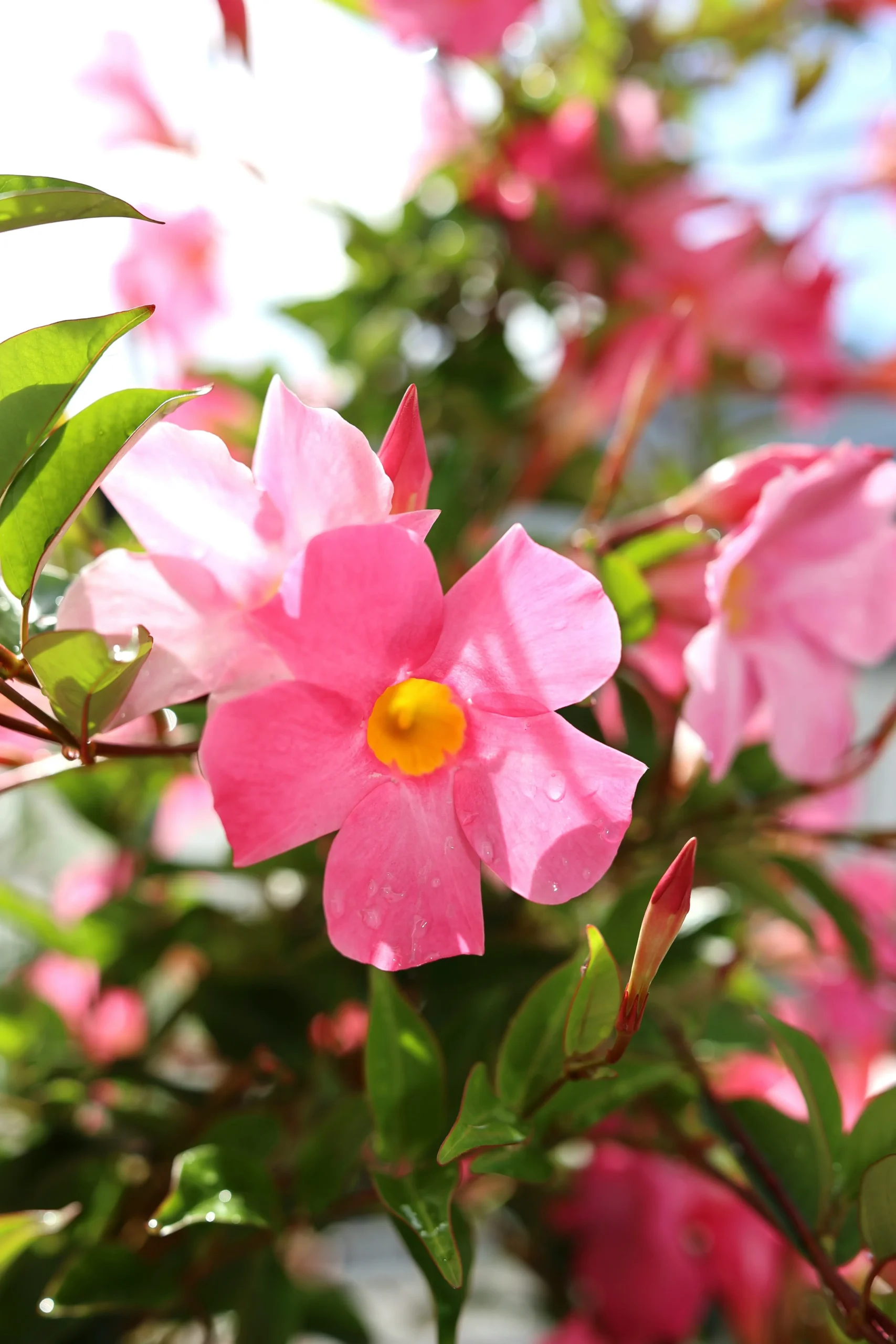
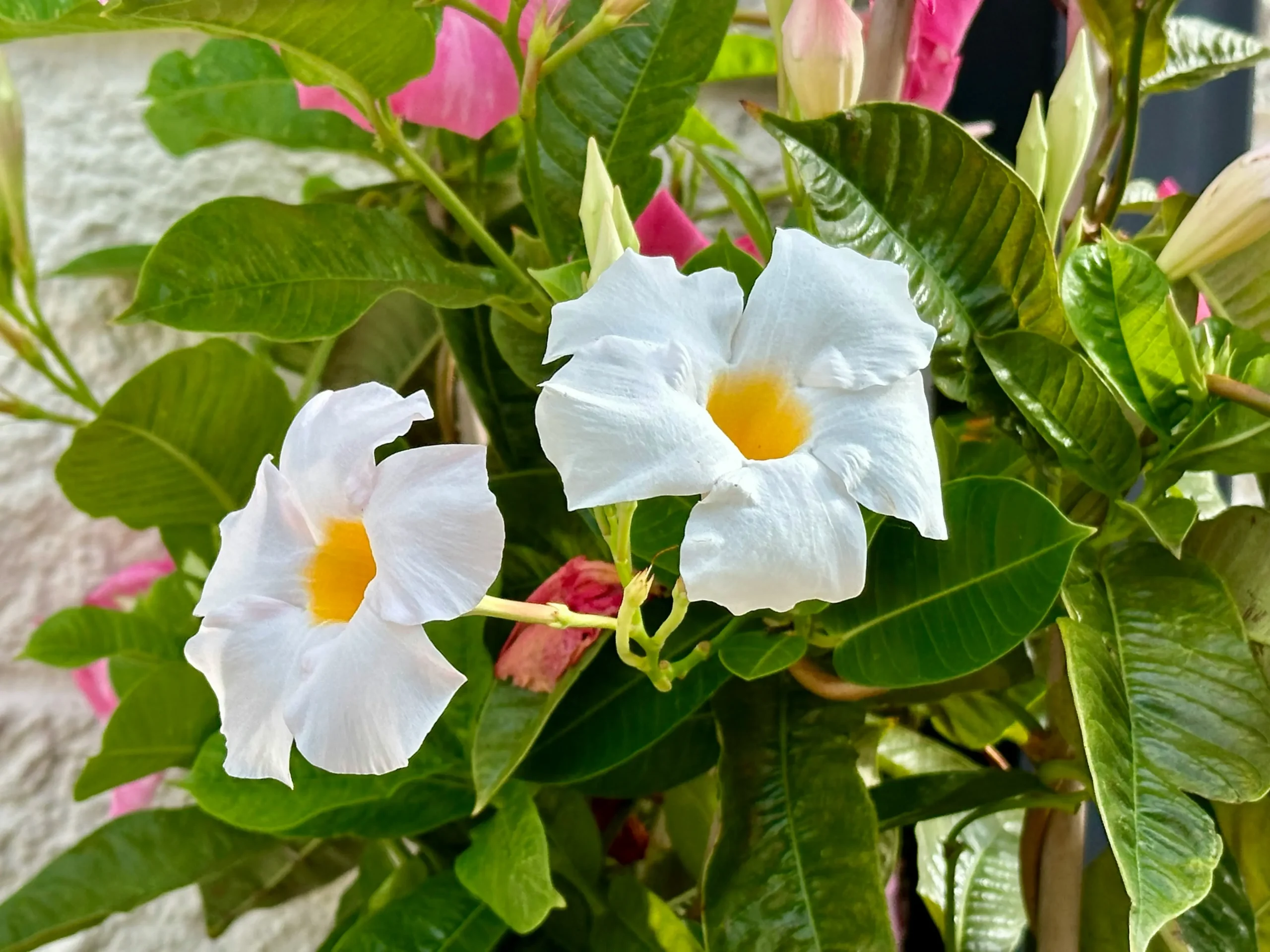
Growing a Mandevilla indoors can instantly add a tropical and elegant look to your home. This plant is known for its glossy green leaves and beautiful trumpet shaped flowers that bloom in shades of pink, red, and white. While it is commonly grown outdoors, it can also thrive indoors if you provide the right care and environment.
The key to keeping mandevilla healthy indoors is understanding that it is a tropical plant. This means it needs warmth, bright light, and consistent care. When these conditions are met, it grows steadily and can even bloom inside your home.
Understanding Mandevilla as an Indoor Plant
Mandevilla is naturally a climbing vine that grows in warm climates. Indoors, it can be grown in containers and trained to climb on supports like trellises or stakes. It does not grow as aggressively inside as it does outdoors, but it still needs space and proper care to stay healthy.
Because it is a light loving plant, most indoor challenges come from insufficient light or improper watering. Once you manage these two factors well, the plant becomes relatively easy to maintain.
Light Requirements
Light is the most important factor for indoor mandevilla care. Without enough light, the plant will struggle to grow and may stop producing flowers. Providing strong and consistent light helps maintain both growth and blooming.
- Place the plant near a bright window with indirect sunlight
- Provide at least 6 hours of light daily
- Use grow lights if natural light is limited
- Avoid very dark corners of the house
- Rotate the plant for even growth
Watering and Moisture
Mandevilla prefers slightly moist soil but does not tolerate overwatering. Finding the right balance is important to prevent root problems. Consistent watering keeps the plant healthy and supports flowering.
- Water when the top layer of soil feels dry
- Avoid letting the soil stay soggy
- Ensure excess water drains properly
- Reduce watering during slower growth periods
- Use room temperature water
Temperature and Humidity
Since mandevilla is a tropical plant, it prefers warm and slightly humid conditions. Indoor environments can sometimes be too dry, which may affect growth. Maintaining a comfortable climate helps the plant thrive.
- Keep temperatures between 18 to 27 degrees Celsius
- Avoid cold drafts and sudden temperature drops
- Keep away from air conditioners and heaters
- Maintain moderate humidity levels
- Use a humidity tray if needed
Soil and Potting
The right soil mix ensures good drainage while still holding enough moisture for the roots. Heavy soil can lead to water retention and root rot. A well balanced mix supports healthy root development.
- Use a well draining potting mix
- Add perlite or sand for better drainage
- Use a container with drainage holes
- Repot when the plant outgrows its container
- Avoid compact or heavy soil
Feeding and Fertilizing
Mandevilla is a fast growing plant during its active season and benefits from regular feeding. Proper nutrients help support both leaf growth and flowering. Feeding should be done carefully to avoid over fertilizing.
- Use a balanced liquid fertilizer every 2 to 3 weeks
- Feed more during the growing season
- Reduce feeding in winter
- Avoid excessive fertilizer
- Use bloom boosting fertilizer if needed
Pruning and Support
Indoor mandevilla may need pruning to control its shape and encourage new growth. Since it is a climbing plant, support is also important. Proper pruning helps maintain a neat and healthy plant.
- Trim long or leggy stems
- Remove dead or damaged leaves
- Use a small trellis or stake for support
- Train the vine as it grows
- Prune lightly to encourage branching
Common Problems and Solutions
Like most indoor plants, mandevilla can face a few issues if conditions are not ideal. These problems are usually easy to fix once identified. Monitoring your plant regularly helps prevent serious damage.
- Yellow leaves caused by overwatering
- Lack of flowers due to insufficient light
- Leaf drop from sudden temperature changes
- Slow growth due to lack of nutrients
- Pests like spider mites in dry conditions
Encouraging Indoor Blooming
Getting mandevilla to bloom indoors can be slightly challenging, but it is possible with the right care. The plant needs enough energy from light and nutrients to produce flowers. Focusing on key factors improves blooming chances.
- Provide strong and consistent light
- Maintain warm temperatures
- Feed regularly during growth
- Avoid stress from sudden changes
- Ensure proper watering routine
Final Thoughts
Caring for mandevilla indoors is all about creating a warm, bright, and stable environment. While it may need a bit more attention than some common houseplants, the reward is a beautiful flowering vine that adds a tropical feel to your home.
With consistent care and the right setup, your mandevilla can grow healthy and even produce stunning blooms indoors, making it a standout addition to your indoor garden.
The most common reason is insufficient light or lack of nutrients.
It grows moderately fast during the active growing season when conditions are ideal.
Feed every 2 to 3 weeks during the growing season with a balanced fertilizer.
Leaf drop can be caused by temperature changes, stress, or improper watering.
Common pests include spider mites, aphids, and whiteflies.
Use neem oil, insecticidal soap, or clean the leaves regularly.
With proper care, it can live for several years as a houseplant.



- Be Respectful
- Stay Relevant
- Stay Positive
- True Feedback
- Encourage Discussion
- Avoid Spamming
- No Fake News
- Don't Copy-Paste
- No Personal Attacks
- Be Respectful
- Stay Relevant
- Stay Positive
- True Feedback
- Encourage Discussion
- Avoid Spamming
- No Fake News
- Don't Copy-Paste
- No Personal Attacks
