Growing Nasturtiums Indoors: Secrets to Faster Growth and More Flowers
Published: 6 May 2026
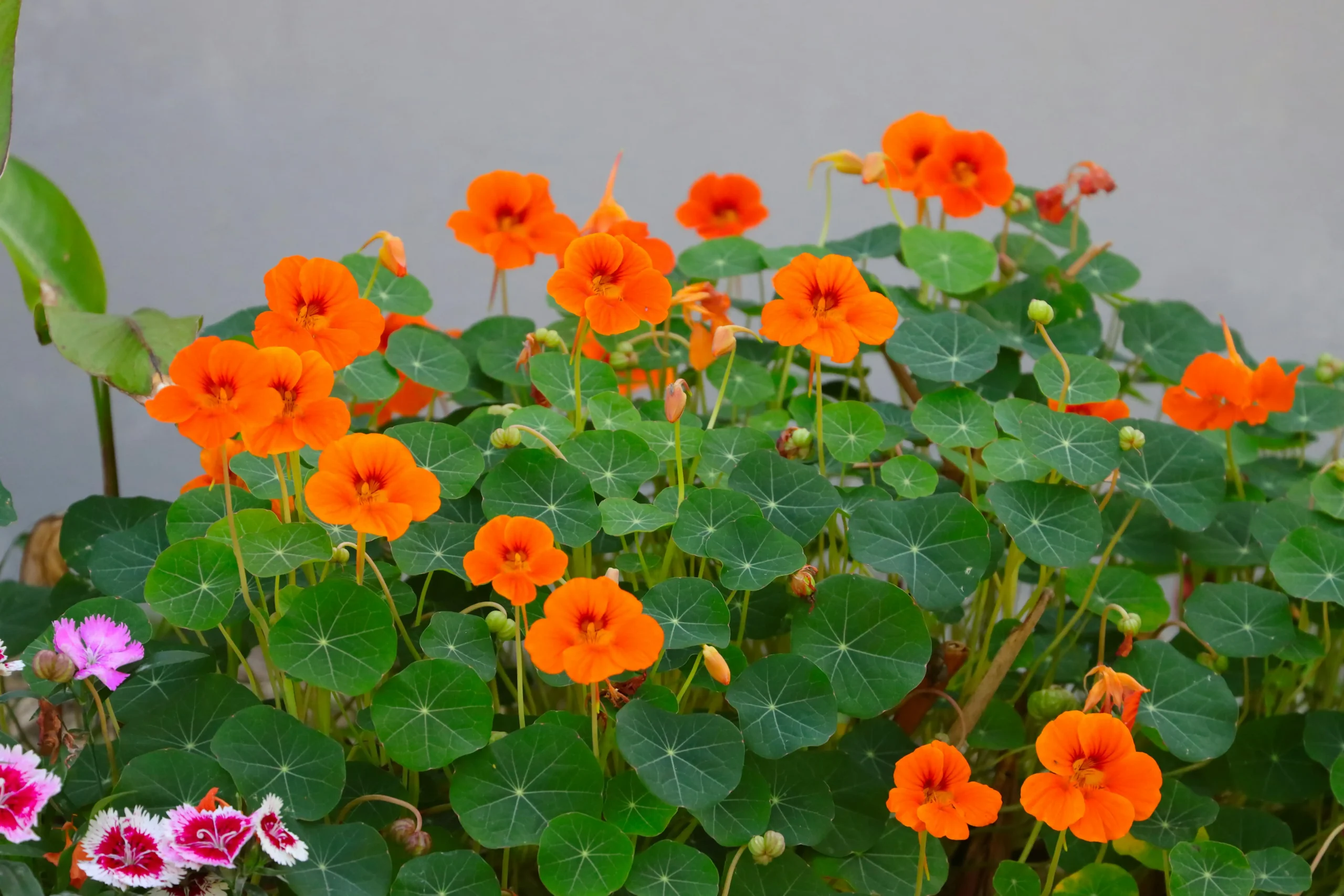
Nasturtiums are one of the most rewarding flowering plants you can grow indoors. They grow quickly, produce bright colorful blooms, and don’t demand complicated care routines. That makes them especially attractive for anyone who wants a cheerful, low maintenance indoor plant that still feels lively and decorative.
The real success with nasturtiums comes from getting a few simple things right: strong light, light soil, controlled watering, and starting them at the right time of year.
Choosing the Right Nasturtium Variety for Indoors
Not all nasturtiums behave the same indoors. Some grow long and trailing, while others stay compact and easier to manage in pots. For indoor setups, compact varieties are usually the most practical choice. Compact types are easier to control in small spaces, while trailing types work better if you want a decorative spill effect.
• Dwarf Jewel Mix with bright, compact flowers
• Alaska series with decorative variegated foliage
• Empress of India for deeper, rich colored blooms
• Trailing varieties if you want hanging baskets or window cascades
Perfect Time to Grow Nasturtium Indoors
Timing has a strong influence on how fast nasturtiums grow and how well they bloom, even indoors where conditions are controlled. Starting them in early spring usually results in faster development, stronger stems, and more consistent flowering compared to hotter or low light periods. The most successful growing periods are:
• Early spring, which gives the strongest growth and fastest germination
• Late winter, especially if you have good natural light or grow lights
• Early autumn in mild indoor environments
• Year round growth is possible with grow lights, but natural seasons still perform better
Light Requirements for Strong Growth
Light is the most important factor for healthy indoor nasturtiums. Without enough light, the plant becomes weak, stretched, and produces fewer flowers. If the plant starts stretching toward the light, it is a clear sign it needs more intensity. They perform best under bright and consistent light conditions.
• 4 to 6 hours of bright sunlight daily is ideal
• South or west facing windows work best
• Grow lights help during darker seasons
• Rotate pots regularly to prevent uneven growth
Soil Requirements for Nasturtiums
Nasturtiums prefer simple, light soil rather than rich or heavily fertilized mixes. Too many nutrients encourage leafy growth but reduce flowering. A basic potting mix works perfectly as long as it drains well and doesn’t stay soggy.
• Light and well draining
• Slightly sandy or loose in structure
• Not overly enriched with compost or fertilizer
How to Plant Nasturtium Indoors
Growing nasturtiums from seed is straightforward and very reliable. The seeds are large and germinate quickly under the right conditions. Once seedlings appear, growth becomes very fast if light conditions are good.
• Soak seeds in water for 8 to 12 hours before planting
• Plant about 1 inch deep in soil
• Keep soil lightly moist but never waterlogged
• Place in a warm, bright location
• Germination usually occurs within 7 to 10 days
Watering Needs and Balance
Nasturtiums do not like constantly wet soil. Overwatering is one of the most common mistakes that leads to weak growth indoors. They handle slight dryness much better than excess moisture.
• Water only when the top layer of soil feels dry
• Avoid soggy or compacted soil
• Reduce watering during cooler months
• Always use pots with proper drainage
Choosing the Right Pot
Container choice directly affects how well nasturtiums grow indoors since they develop quickly and need space. More space usually results in stronger plants and better flowering.
• Medium to large pots for healthy root growth
• Proper drainage holes are essential
• Hanging baskets work well for trailing types
• Avoid overcrowding multiple plants in one pot
Temperature and Indoor Conditions
Nasturtiums prefer moderate conditions and struggle in extreme heat or stagnant air. Stable conditions support longer flowering and healthier growth.
• Mild indoor temperatures
• Good air circulation around the plant
• Avoid placing near heaters or direct AC airflow
• Bright but not overheated environments
Fertilizing Nasturtiums Indoors
Overfertilizing is a common mistake. Too many nutrients push leaf growth instead of flowers. Stable conditions support longer flowering and healthier growth.
• Use minimal fertilizer only when necessary
• Apply diluted feed once a month if needed
• Avoid high nitrogen fertilizers completely
• Allow natural growth for better blooming
Supporting and Managing Growth
Indoors, nasturtiums can either trail beautifully or become slightly unruly if not guided. They respond well to gentle shaping rather than heavy pruning.
• Using small supports for climbing types
• Allowing trailing types to naturally cascade
• Rotating pots for balanced light exposure
• Light trimming to control excessive spreading
Common Problems Indoors
Even though nasturtiums are easy to grow, a few issues can appear when conditions are not ideal. Most of these issues are solved by adjusting light and watering habits.
• Long weak stems caused by low light
• Poor flowering from overfeeding
• Yellow leaves from overwatering
• Crowded growth in small containers
Harvesting and Uses
Nasturtiums are edible and often used in fresh cooking. Regular harvesting also encourages more blooming.
• Flowers for bright salad decoration
• Leaves for a peppery flavor in dishes
• Seed pods as a substitute for capers when pickled
Helping Nasturtiums Thrive Indoors
Nasturtiums grow best when care is simple and consistent. They respond poorly to over management but quickly reward the right environment with fast growth and continuous blooms.
• Strong and consistent lighting
• Light, controlled watering
• Minimal fertilizing
• Enough space to spread naturally
• Regular removal of weak or old growth
Final Thoughts
Nasturtiums are one of those plants that prove indoor gardening does not need to be complicated. When given the right light and simple care, they grow quickly, bloom generously, and bring a fresh burst of color into indoor spaces without demanding constant attention or complicated routines.
Most nasturtiums begin flowering about 4 to 6 weeks after germination under good conditions.
No, they do not require pollination to produce flowers, but pollination is needed if you want viable seeds.
They can grow in hydroponic systems, but they are better suited to soil and may produce fewer flowers in water-based setups.
This is usually caused by inconsistent light, sudden temperature changes, or mild nutrient imbalance.
Nasturtiums are generally non-toxic to pets, but large amounts should still be avoided.
Regular household LEDs are usually too weak; dedicated grow lights are much more effective.
Some varieties have a light, subtle scent, but they are mostly grown for visual appeal and taste.


- Be Respectful
- Stay Relevant
- Stay Positive
- True Feedback
- Encourage Discussion
- Avoid Spamming
- No Fake News
- Don't Copy-Paste
- No Personal Attacks
- Be Respectful
- Stay Relevant
- Stay Positive
- True Feedback
- Encourage Discussion
- Avoid Spamming
- No Fake News
- Don't Copy-Paste
- No Personal Attacks
