The Biggest Money Tree Care Mistakes Beginners Make
Published: 20 May 2026
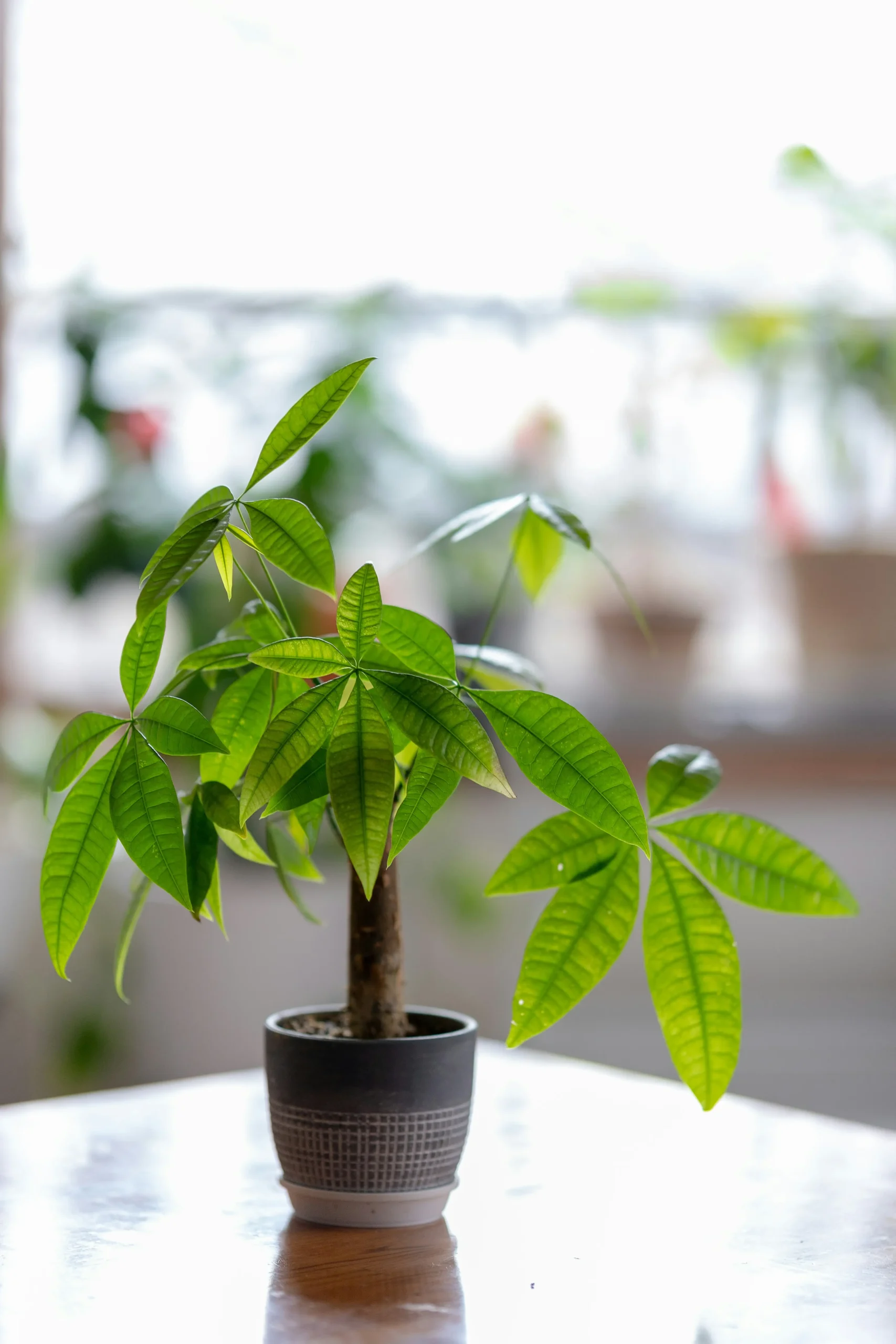
Growing a Money Tree indoors is one of the best ways to bring a tropical and elegant atmosphere into your home without dealing with a difficult plant. Money trees are admired for their braided trunks, glossy green leaves, and calm balanced appearance that works beautifully in living rooms, offices, bedrooms, and indoor garden spaces. They are often chosen by beginners because they adapt well to indoor conditions and recover better from small care mistakes compared to many tropical houseplants.
One reason these plants remain so popular is their ability to grow steadily indoors without becoming overly demanding. A healthy plant develops dense foliage, upright stems, and a fuller canopy over time. Although they are considered low maintenance, they still perform best when light, watering, and environmental conditions are balanced correctly. Most indoor problems happen when the plant is either overwatered or placed in poor lighting for long periods.
Understanding Money Trees Indoors
Money trees naturally grow in tropical wetland environments where they receive warmth, humidity, filtered sunlight, and regular moisture. Indoors, growth becomes slower and easier to manage, which makes the plant suitable for containers and indoor decorative use. The braided trunks commonly seen on indoor plants are created by weaving several young flexible stems together while they are still soft. As the stems mature, the braid hardens and becomes part of the plant’s decorative appearance.
The leaves are one of the plant’s biggest attractions. Healthy foliage appears glossy, rich green, and slightly shiny. When conditions are stable, the canopy becomes dense and attractive, giving the plant a lush tropical appearance even in relatively small spaces. While outdoor specimens can become very large trees, indoor plants usually stay much smaller and easier to control.
- Glossy green foliage
- Braided decorative trunks
- Upright tropical appearance
- Moderate indoor growth rate
- Long lasting indoor adaptability
Choosing the Best Indoor Location
Placement strongly affects the overall health and appearance of the plant. Money trees prefer bright indirect light because it supports healthy leaf growth without exposing the foliage to harsh heat stress. Strong afternoon sunlight passing through windows can scorch the leaves, while dark corners may lead to thin growth and weaker stems.
A stable location is also important because money trees dislike sudden environmental changes. Constantly moving the plant between rooms with different temperatures or lighting conditions may lead to stress and leaf drop. Bright rooms with filtered sunlight usually provide the most balanced environment for steady growth.
- Place near bright filtered sunlight
- East facing windows work especially well
- Avoid intense afternoon sun
- Keep away from cold drafts
- Rotate the container occasionally for even growth
Light Requirements
Lighting plays a major role in how full and healthy the plant becomes indoors. Although money trees tolerate moderate light conditions better than many tropical plants, brighter indirect light generally produces stronger growth and healthier foliage. Weak lighting often causes the stems to stretch toward windows, resulting in uneven or sparse growth.
Grow lights can help if natural sunlight is limited, especially in apartments or darker indoor spaces. The goal is to provide enough brightness to maintain steady growth without exposing the leaves to prolonged harsh direct sunlight.
- Provide several hours of indirect light daily
- Filter strong direct sunlight
- Use grow lights if natural light is weak
- Watch for leaning stems caused by low light
- Keep lighting conditions consistent
Best Soil for Healthy Growth
Healthy roots require loose well draining soil that allows moisture retention without becoming overly compacted. Heavy dense soil traps water around the roots and greatly increases the risk of root rot indoors. A lighter soil structure encourages better airflow, healthier roots, and more balanced moisture levels.
Indoor potting mixes designed for houseplants usually work well when improved slightly with drainage materials such as perlite. Containers should always include drainage holes because standing water is one of the biggest dangers for money trees indoors.
- Use quality indoor potting soil
- Add perlite for improved drainage
- Avoid dense compact garden soil
- Use pots with drainage holes
- Refresh old compacted soil regularly
Watering Properly
Overwatering is the most common reason money trees struggle indoors. While the plant enjoys moderate moisture, it does not tolerate constantly wet soil. The roots need oxygen as much as they need water, and soggy soil prevents proper airflow around the root system.
The safest approach is allowing the upper portion of the soil to dry before watering again. Indoor conditions such as light intensity, humidity, and temperature all affect how quickly the soil dries. Plants growing in brighter conditions generally use water faster than those in lower light.
- Water when the upper soil feels dry
- Avoid constantly wet soil
- Empty drainage trays after watering
- Reduce watering during winter
- Adjust watering based on indoor conditions
Temperature and Indoor Conditions
Money trees grow best in warm stable indoor temperatures. Sudden cold exposure or strong drafts may shock the plant and trigger leaf drop. Fortunately, most indoor environments are naturally suitable for long term growth if major temperature swings are avoided.
The plant also prefers gentle airflow around the foliage. Stagnant air combined with excessive moisture can increase stress and encourage fungal problems. Keeping the environment balanced helps maintain healthy foliage and steady development.
- Keep temperatures between 18 to 27 degrees Celsius
- Protect from cold drafts
- Avoid placing near heaters or air conditioners
- Maintain gentle indoor airflow
- Keep away from freezing temperatures
Humidity Requirements
Because money trees originate from tropical regions, moderate humidity helps maintain healthier foliage and reduces the chances of dry brown leaf edges. Average indoor humidity is often acceptable, but extremely dry indoor air may eventually affect the leaves.
Humidity becomes especially important during winter when heating systems dry the air significantly. Increasing moisture slightly around the plant often improves leaf appearance and overall growth quality.
- Maintain moderate indoor humidity
- Mist lightly during dry weather if needed
- Use humidity trays for extra moisture
- Group tropical plants together naturally
- Avoid strong dry airflow directly on the plant
Feeding and Fertilizing
Money trees are not extremely heavy feeders, but occasional nutrients help support healthier leaves and stronger growth. Overfertilizing is a common mistake because excessive nutrients may damage roots or create weak soft growth that becomes more vulnerable to stress.
Balanced feeding during active growing seasons usually provides the best results. During winter, growth naturally slows, so fertilizer requirements become much lower.
- Use balanced liquid fertilizer every few weeks
- Feed during spring and summer
- Reduce feeding during winter
- Avoid excessive fertilizer buildup
- Water lightly before feeding
Pruning and Maintenance
Pruning helps maintain a balanced shape and encourages fuller growth indoors. Without occasional trimming, some stems may become weak, stretched, or uneven. Removing damaged leaves also improves appearance and allows the plant to direct more energy toward healthy growth.
Cleaning the foliage occasionally is another helpful maintenance habit because dust buildup can reduce light absorption indoors.
- Remove yellow or damaged leaves
- Trim weak stems carefully
- Shape the canopy gradually
- Use clean pruning tools
- Wipe dust from leaves occasionally
Repotting Indoors
Although money trees grow moderately indoors, their roots eventually fill the container and require additional space. Repotting refreshes the soil, improves drainage, and supports healthier long term growth.
Oversized containers should be avoided because excessive soil around the roots may stay wet for too long. Gradually increasing pot size usually works much better.
- Repot every few years if needed
- Choose slightly larger containers only
- Replace old compacted soil
- Handle roots gently during repotting
- Water lightly after repotting
Common Problems and Solutions
Most indoor money tree problems are related to watering imbalance, lighting issues, or environmental stress. Early observation usually prevents small issues from becoming severe.
- Yellow leaves from overwatering
- Brown leaf edges caused by dry air
- Weak growth from insufficient light
- Leaf drop after sudden environmental changes
- Root rot caused by poor drainage
Encouraging Fuller and Healthier Growth
Consistency is one of the most important parts of keeping a money tree healthy indoors. Stable care routines allow the plant to develop stronger stems, denser foliage, and a more balanced appearance over time.
- Provide bright indirect light
- Maintain balanced watering habits
- Rotate the plant regularly
- Feed lightly during active growth
- Avoid sudden environmental changes
Final Thoughts
Money trees are among the most rewarding indoor plants for anyone wanting a tropical plant that combines beauty with relatively easy care. Their braided trunks, glossy foliage, and adaptable nature allow them to fit naturally into many different indoor spaces.
With proper lighting, careful watering, stable temperatures, and occasional maintenance, a money tree can remain healthy indoors for many years while continuing to grow into a lush and elegant focal point.
No, it prefers bright indirect light rather than harsh direct sun.
Yes, if there is enough natural light and good air circulation.
Soggy soil, yellowing leaves, and a musty smell are common warning signs.
Only young flexible stems can be braided; mature trunks cannot be reshaped easily.
Light misting can help in dry conditions but is not always necessary.
This is often caused by root rot due to overwatering.
Yes, but sudden environmental changes should be avoided.
Sticky leaves may indicate pest infestation or honeydew from insects.


- Be Respectful
- Stay Relevant
- Stay Positive
- True Feedback
- Encourage Discussion
- Avoid Spamming
- No Fake News
- Don't Copy-Paste
- No Personal Attacks
- Be Respectful
- Stay Relevant
- Stay Positive
- True Feedback
- Encourage Discussion
- Avoid Spamming
- No Fake News
- Don't Copy-Paste
- No Personal Attacks
