Hanging Baskets That Make Indoor Plants Look More Luxurious
Published: 23 May 2026
Indoor hanging baskets are one of the easiest ways to make a room feel greener, softer, and more alive. Instead of filling already crowded floors and tables with containers, hanging displays use vertical space to create a layered indoor garden effect. Trailing vines, cascading foliage, and colorful flowers naturally stand out when elevated, making even simple plants look more dramatic indoors.
Hanging baskets work especially well in apartments, bedrooms, offices, kitchens, and small indoor spaces where floor space is limited. They can soften empty corners, frame windows beautifully, and create a relaxing natural atmosphere without making a room feel cluttered. Some plants trail downward in long vines, while others stay compact and produce bright flowers that spill over the edges of containers.
Many indoor gardeners struggle with hanging baskets because they behave differently from regular pots. The soil dries faster, airflow is stronger around the roots, and watering mistakes become more noticeable. Choosing the right basket, plant, soil, and placement makes a major difference in long term success.
Why Hanging Baskets Are Perfect for Indoor Spaces
Hanging plants naturally create movement indoors. Instead of greenery sitting at one level, plants spread vertically and draw attention upward. This helps rooms feel fuller and more balanced visually.
Another advantage is flexibility. Hanging baskets can be moved more easily than heavy floor planters, allowing you to adjust lighting conditions or redesign indoor spaces without much effort.
They also work extremely well for trailing plants because the vines can grow naturally without becoming compressed against furniture or shelves.
- Save indoor floor space
- Add vertical greenery
- Make rooms feel more natural
- Create a layered indoor garden look
- Improve empty corners and windows
- Display trailing plants beautifully
Choosing the Best Hanging Basket
The basket itself affects moisture levels, root health, maintenance, and watering frequency. Many people choose baskets only for appearance, but the material changes how the plant grows indoors.
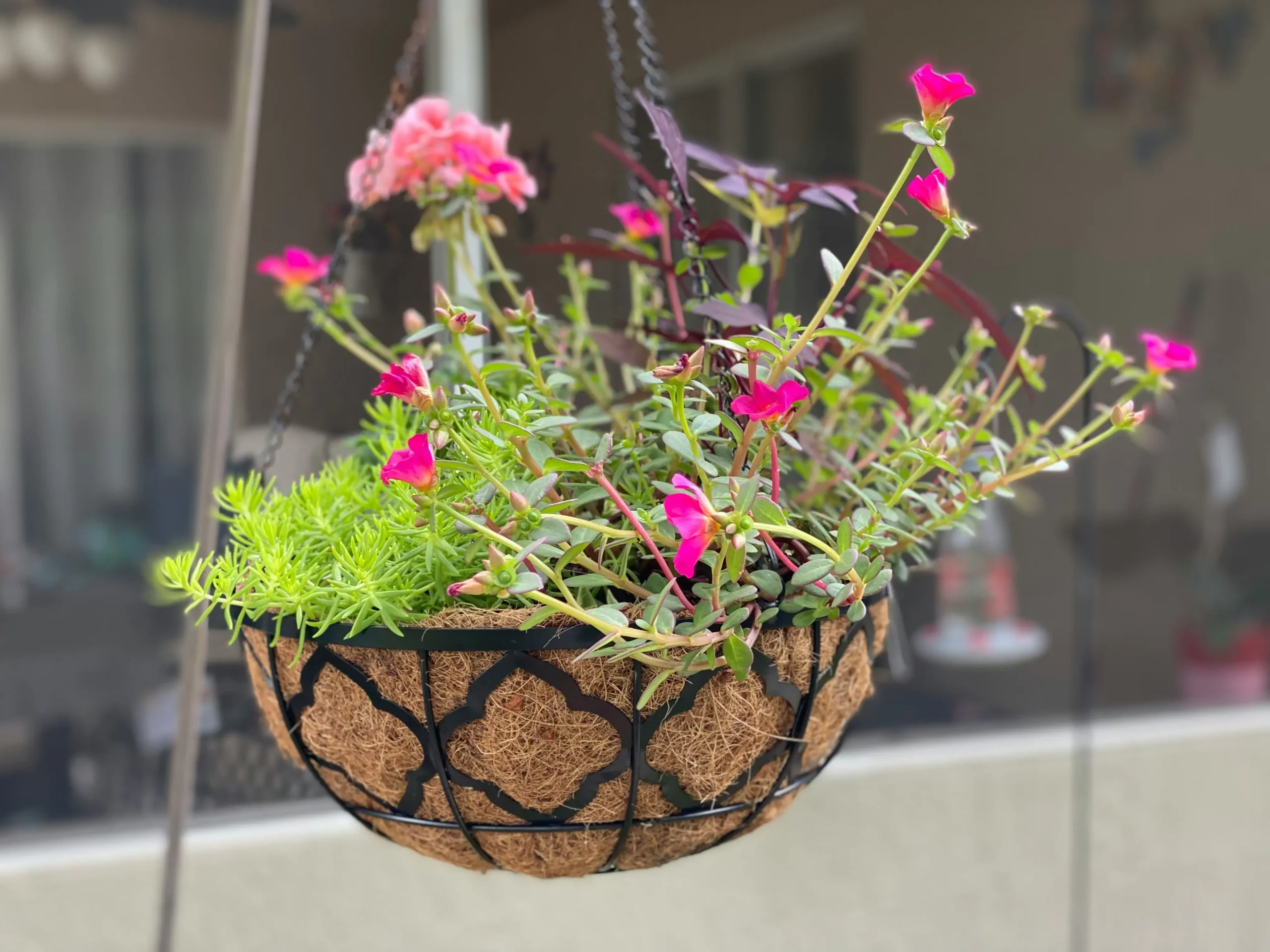
Plastic hanging baskets are usually the easiest for beginners because they retain moisture longer and dry more slowly. Wire baskets lined with coco fiber create a decorative natural look but lose water quickly because air reaches the soil from all sides. Ceramic containers are elegant and stable but become heavy after watering.
Basket size also matters. Small baskets dry rapidly and may become root bound quickly, while oversized containers stay wet for longer periods.
Plastic Hanging Baskets
Plastic baskets are practical, lightweight, and beginner friendly. They help reduce watering stress because the soil stays moist longer.
- Lightweight and easy to hang
- Hold moisture well
- Easy to clean
- Suitable for tropical foliage plants
- Require less frequent watering
Wire and Coco Fiber Baskets
These baskets create a more natural decorative appearance indoors. However, they dry much faster and need closer watering attention.
- Attractive rustic appearance
- Excellent airflow around roots
- Faster drainage
- Good for plants that dislike wet soil
- Need more frequent watering
Ceramic Hanging Containers
Ceramic hanging pots create a polished decorative style and help stabilize root temperatures.
- Elegant indoor appearance
- Slower moisture loss
- Stable root environment
- Heavy after watering
- Require stronger support systems
Best Indoor Plants for Hanging Baskets
The best hanging basket plants naturally trail, spread, or cascade downward. Some are mainly grown for their decorative foliage, while others produce colorful flowers that brighten indoor spaces. Fast growing vines are especially popular because they quickly create a lush indoor appearance.
Best Foliage Plants
These plants are reliable and easy to maintain indoors.
- Pothos with long trailing vines
- Spider Plant with arching leaves
- Heartleaf Philodendron with soft cascading growth
- Tradescantia with colorful foliage
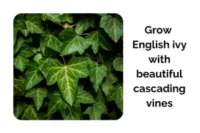
- English Ivy for classic trailing vines
- String of Pearls with bead like stems
- Syngonium with climbing growth habits
- Peperomia with compact trailing stems
Best Flowering Plants
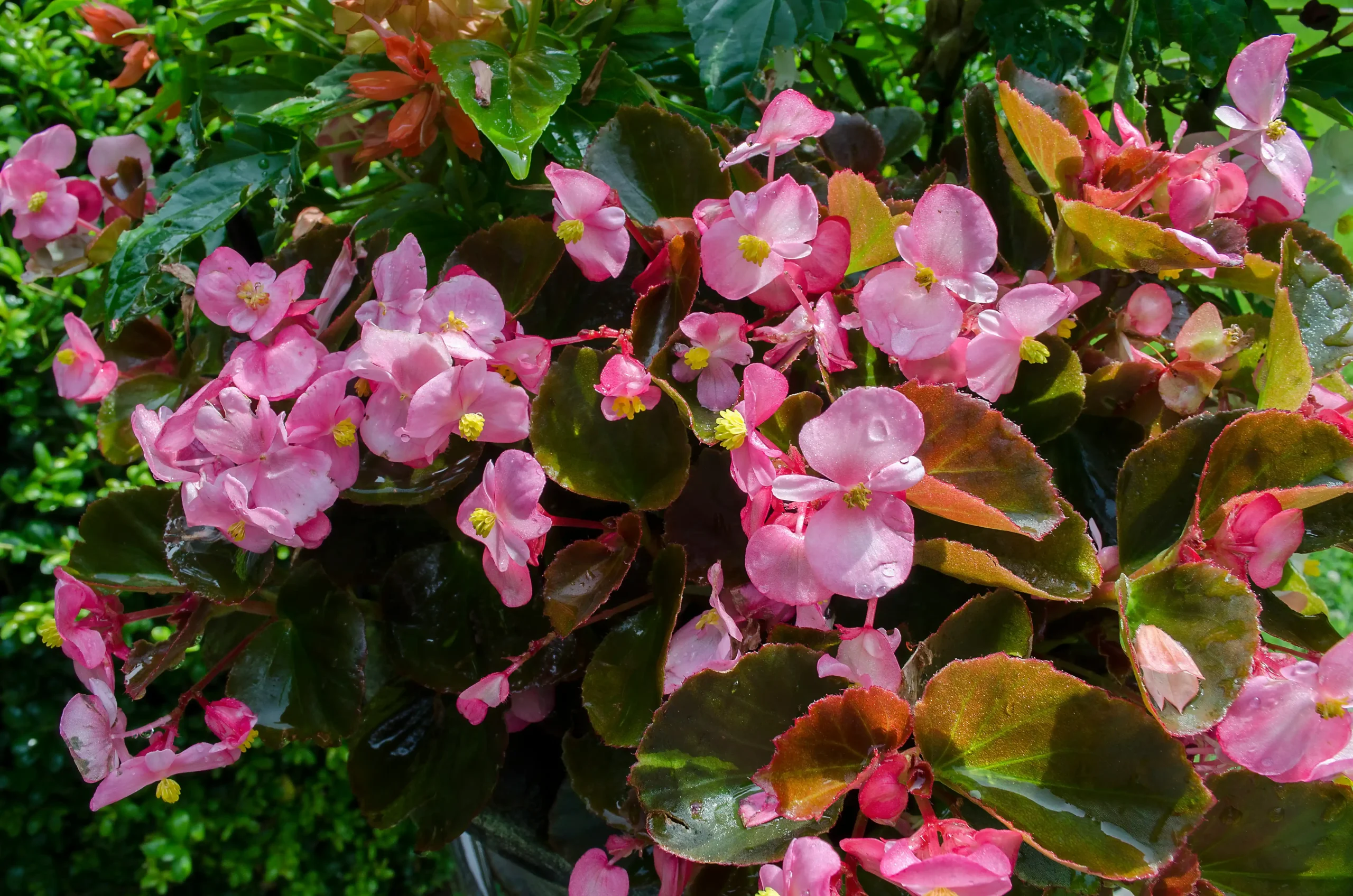
Flowering baskets bring stronger color and visual impact indoors. Most flowering species require brighter conditions than foliage plants.
- Begonia with colorful flowers and leaves
- Fuchsia with hanging blooms
- Lipstick Plant with tropical flowers
- Hoya with waxy foliage and blooms
- Christmas Cactus with seasonal flowers
- African Violet for compact flowering displays
- Trailing Geranium with bright blooms
Choosing the Right Indoor Location
Placement strongly affects growth speed, foliage quality, flowering, and watering frequency. Hanging baskets placed too far from windows often become sparse because the vines stretch toward light sources.
Bright indirect light works best for most foliage plants, while flowering species generally need stronger sunlight exposure.
Temperature stability is equally important. Hanging baskets are exposed from every side, so strong drafts or heating vents can dry them out quickly.
- Place near bright windows
- East facing windows work well for most species
- Avoid intense afternoon sunlight on delicate foliage
- Keep away from heaters and air conditioners
- Protect from cold drafts
- Rotate baskets regularly for balanced growth
Light Requirements
Lighting is one of the biggest factors affecting hanging basket success indoors. Plants grown in weak light often develop thin stems and large gaps between leaves. Stronger light encourages fuller vines and healthier foliage.
Different plants require different light intensities, so matching the plant to the location is important.
Plants for Moderate Light
These adapt well to average indoor brightness.
- Pothos
- Philodendron
- Spider Plant
- English Ivy
- Peperomia
Plants for Bright Light
These species usually need stronger sunlight or grow lights indoors.
- String of Pearls
- Hoya
- Begonia
- Fuchsia
- Succulent hanging plants
Best Soil for Hanging Baskets
Hanging containers dry faster than regular pots because airflow surrounds them completely. The soil therefore needs to balance moisture retention with good drainage. Heavy compacted soil may suffocate roots, while overly loose mixes dry too quickly. Healthy soil should remain airy while still holding enough moisture for steady growth.
- Use quality indoor potting mix
- Add perlite for better drainage
- Include coco coir for moisture retention
- Avoid dense garden soil indoors
- Choose baskets with drainage holes
Watering Hanging Baskets Properly
Watering is one of the biggest challenges with indoor hanging baskets. Because the containers receive airflow from every direction, they dry much faster than floor pots.
Small hanging baskets usually need especially careful monitoring during warm weather or bright sunlight conditions. The safest approach is thorough watering followed by slight drying before the next watering session.
- Water when the upper soil begins drying
- Water slowly until excess drains out
- Empty drainage trays after watering
- Reduce watering during winter
- Monitor baskets more often during hot weather
Humidity and Airflow
Many hanging basket plants naturally grow in tropical regions where humidity is moderate and airflow is gentle. Dry indoor air can eventually lead to crispy leaf edges and dull foliage. Balanced humidity helps improve leaf appearance and overall plant health.
- Maintain moderate indoor humidity
- Group plants together naturally
- Use humidity trays if necessary
- Avoid strong direct airflow
- Maintain gentle air circulation
Feeding and Fertilizing
Hanging baskets contain limited soil, so nutrients become depleted faster than in larger containers. Fast growing vines and flowering plants benefit from occasional feeding during active growth periods. Too much fertilizer, however, can weaken roots and damage foliage.
- Use balanced liquid fertilizer every few weeks
- Feed during spring and summer
- Reduce feeding during winter
- Avoid excessive fertilizer buildup
- Flush soil occasionally with water
Pruning and Maintenance
Regular pruning helps hanging baskets remain full, balanced, and attractive. Without trimming, many trailing plants become sparse or tangled over time. Pinching growing tips encourages denser growth and fuller vines.
- Trim leggy stems regularly
- Remove yellow or damaged leaves
- Pinch growing tips for fullness
- Clean dusty leaves occasionally
- Shape vines gradually over time
Styling Ideas for Indoor Hanging Baskets
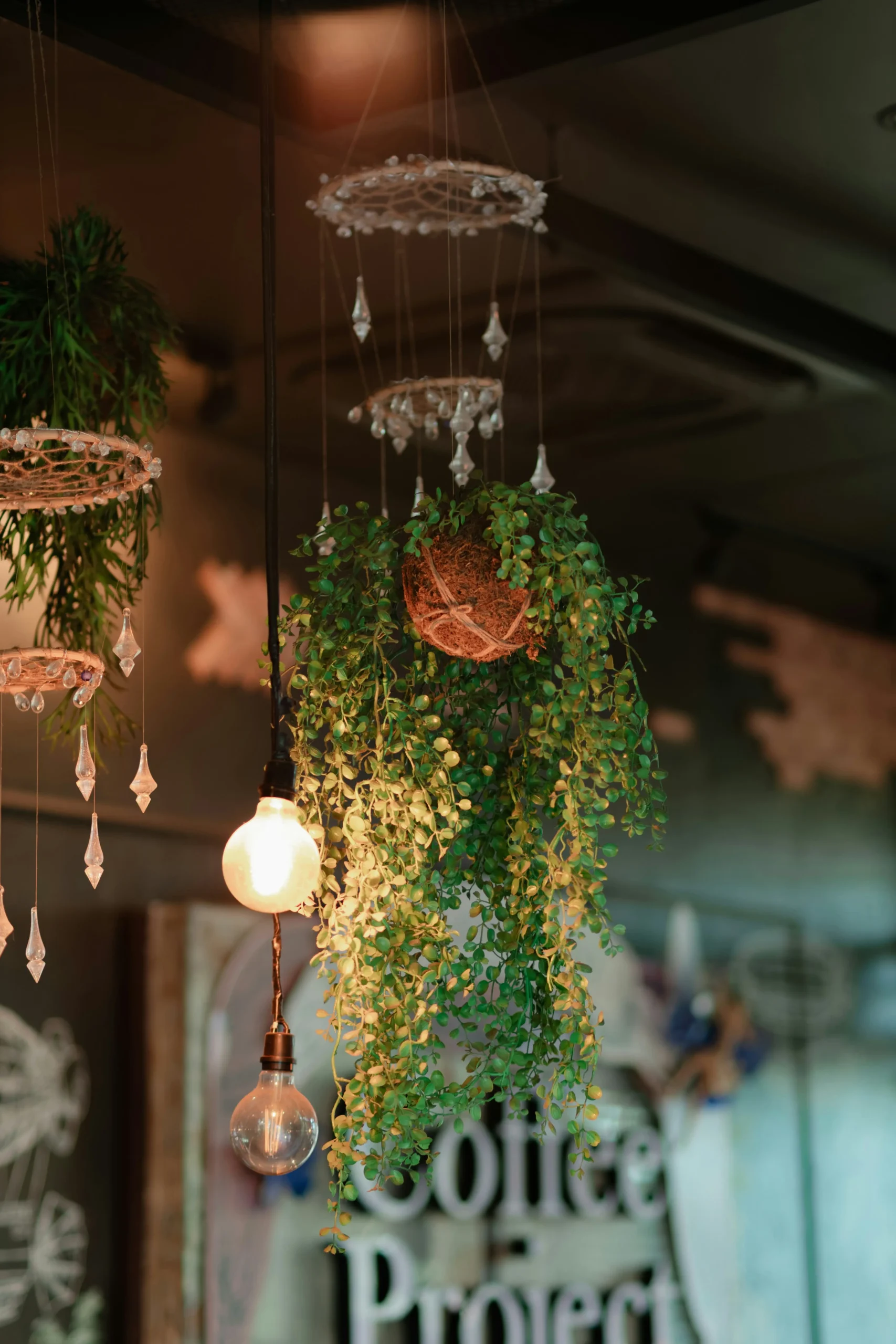
Hanging baskets can completely change the atmosphere of indoor spaces when arranged thoughtfully. Combining different foliage textures, basket heights, and plant types creates a richer indoor garden appearance.
Macrame hangers and layered displays are especially popular because they make plants feel integrated into the room instead of simply decorative accessories.
- Hang baskets near bright windows
- Use layered heights for depth
- Mix trailing and flowering plants
- Create indoor plant corners
- Use decorative rope or macrame hangers
- Combine different leaf textures
Common Problems and Solutions
Most indoor hanging basket problems are caused by watering imbalance, weak lighting, or overcrowded growth. Small adjustments usually restore healthy growth quickly.
- Yellow leaves caused by overwatering
- Crispy edges from dry air or dry soil
- Sparse vines caused by insufficient light
- Root rot from poor drainage
- Weak flowering caused by low sunlight
- Tangled growth from lack of pruning
Final Thoughts
Indoor hanging baskets are one of the best ways to create a lush and visually dynamic indoor garden without using much space. They allow plants and flowers to grow naturally while adding softness, movement, and color to indoor environments.
With proper lighting, balanced watering, healthy soil, and regular maintenance, hanging baskets can remain beautiful for years while becoming one of the most eye catching parts of your home.
Air circulates around the container from all sides, causing moisture to evaporate more quickly.
Yes, but they need bright light and fast draining soil.
Plastic baskets usually retain moisture longer and are easier to maintain indoors.
Some foliage plants tolerate lower light, but growth may become slower and less full.
Improper installation or excessive weight can strain weak ceiling supports.
Constantly wet soil often attracts fungus gnats indoors.
Yes, they add texture, softness, and vertical greenery to indoor spaces.
Yes, spider mites, aphids, and fungus gnats may occasionally appear indoors.

- Be Respectful
- Stay Relevant
- Stay Positive
- True Feedback
- Encourage Discussion
- Avoid Spamming
- No Fake News
- Don't Copy-Paste
- No Personal Attacks
- Be Respectful
- Stay Relevant
- Stay Positive
- True Feedback
- Encourage Discussion
- Avoid Spamming
- No Fake News
- Don't Copy-Paste
- No Personal Attacks
