Grow Sage Indoors Like an Expert With These Simple Care Tips
Published: 6 Jun 2026
Fresh herbs can transform both a home and a kitchen, and few are as versatile as sage. Known for its earthy flavor, aromatic foliage, and attractive appearance, this Mediterranean herb is a favorite among indoor gardeners. While many people think of it as an outdoor plant, it adapts surprisingly well to containers and can thrive indoors when provided with the right conditions.
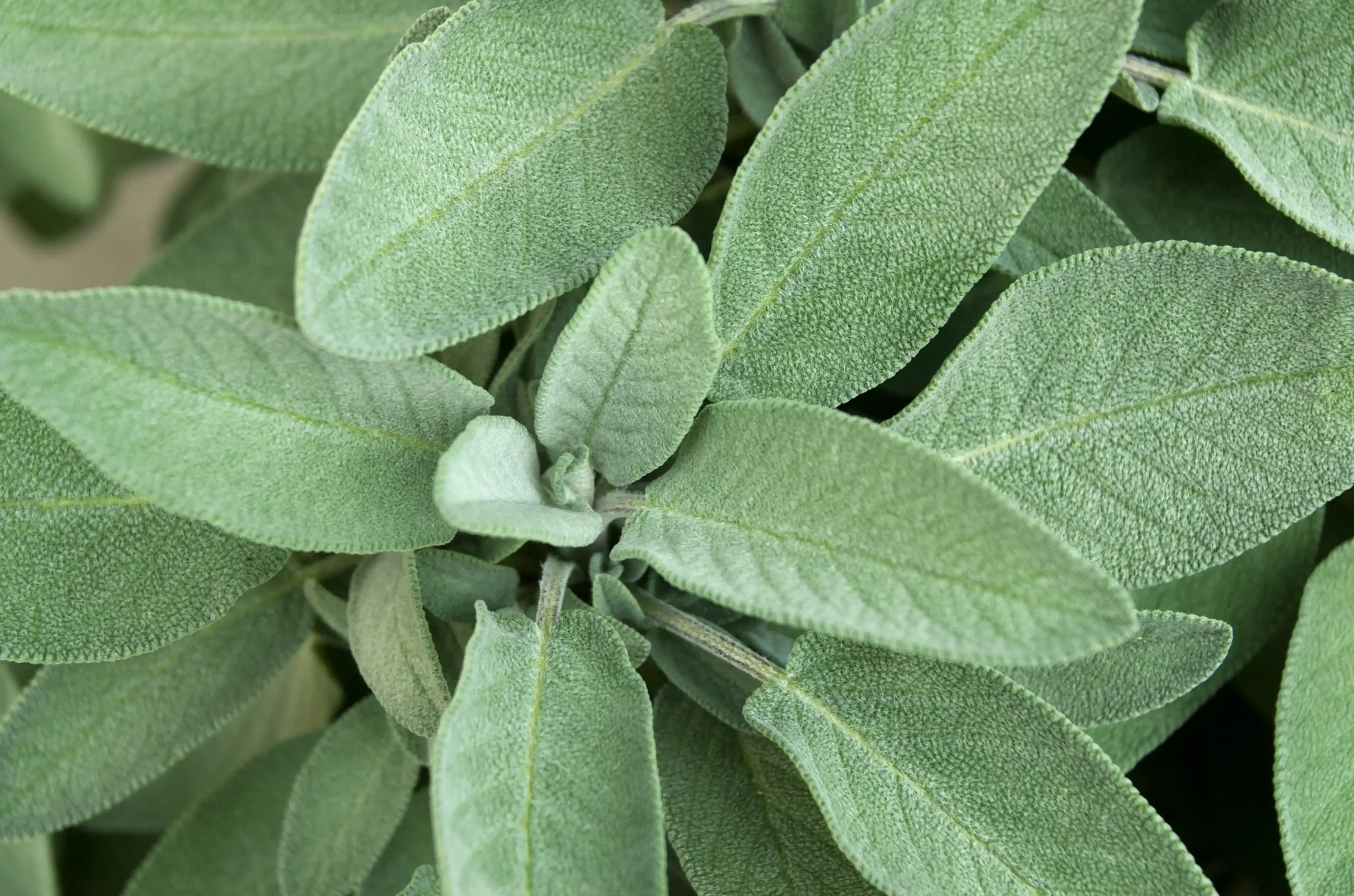
Growing this culinary herb inside your home allows you to harvest fresh leaves throughout the year, regardless of the season. Beyond its culinary uses, the soft gray green foliage adds texture and visual interest to windowsills, kitchen counters, and indoor herb gardens. With proper lighting, well draining soil, and occasional pruning, a single plant can remain productive for years.
Why Grow Sage Indoors?
Many herbs struggle indoors because they require specific environmental conditions, but this Mediterranean native is relatively adaptable. It tolerates average household temperatures, does not demand excessive humidity, and requires less maintenance than many other culinary plants.
Keeping a container indoors also provides easy access to fresh leaves whenever you need them. Instead of purchasing dried herbs from the store, you can simply harvest what you need directly from the plant. Benefits of growing this herb indoors include:
- Fresh leaves available year round
- Attractive foliage that complements indoor spaces
- Pleasant fragrance
- Compact growth in containers
- Low maintenance requirements
- Long productive lifespan
- Easy harvesting for cooking
Selecting the Right Variety
Although there are numerous varieties available, not all perform equally well indoors. Common sage remains the most popular choice because of its strong flavor, compact growth habit, and adaptability to container culture. However, ornamental varieties can also thrive indoors while adding unique colors and textures to your collection.
When purchasing a young plant, choose one with healthy foliage, sturdy stems, and no visible signs of pests or disease. Starting with a healthy specimen makes long term success much easier. Popular varieties include:
- Common sage
- Golden sage
- Purple sage
- Tricolor sage
- Dwarf cultivars
Light Requirements
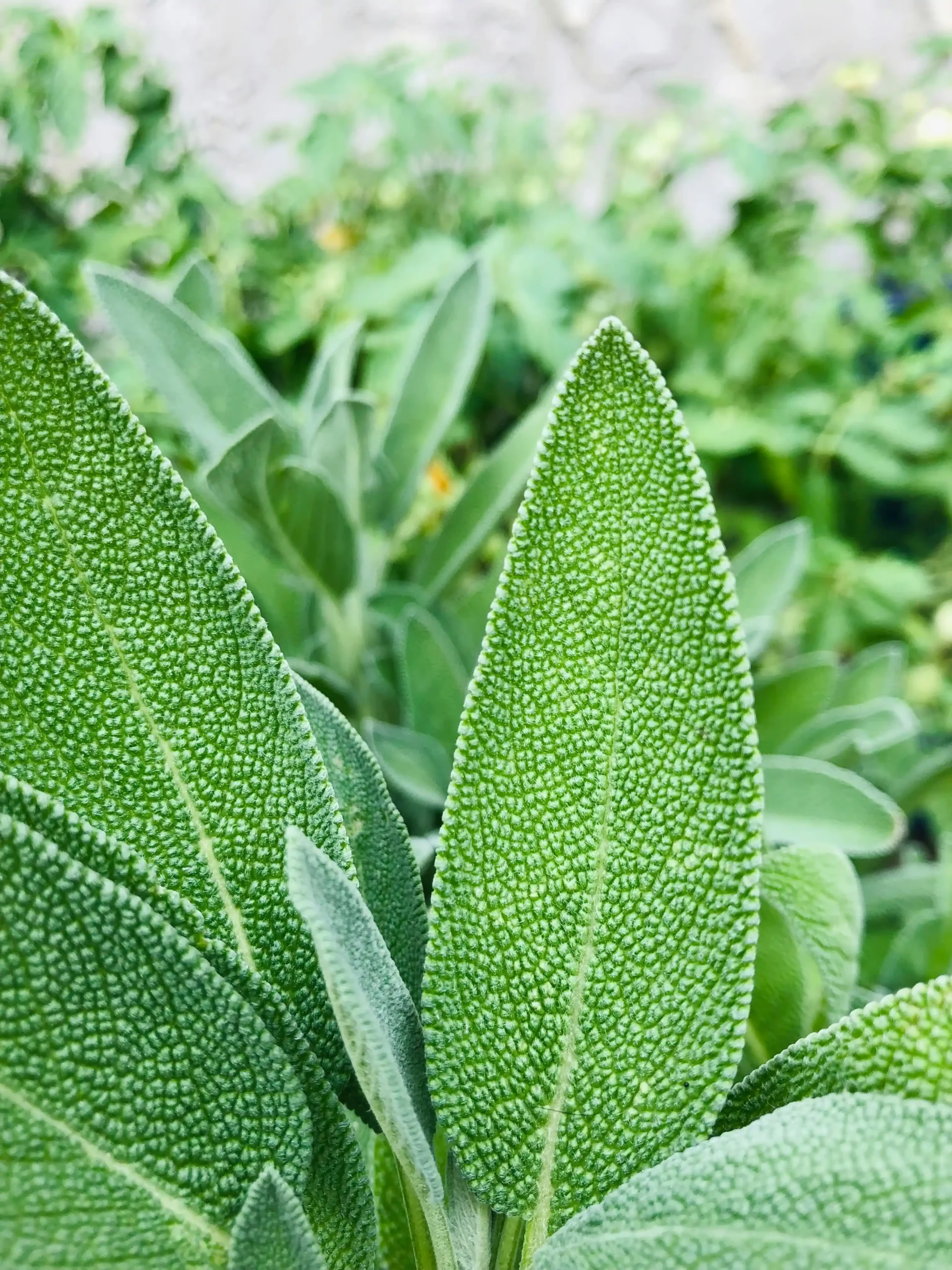
Proper lighting is the most important factor in maintaining healthy growth. This herb evolved in sunny Mediterranean climates where it receives hours of direct sunlight every day. Without enough light, growth becomes weak, stems stretch toward the nearest light source, and foliage loses much of its flavor and fragrance.
A bright location near a south facing window is often the best choice. If your home lacks sufficient natural light, grow lights can successfully supplement sunlight and keep the plant productive throughout the year. Ideal lighting conditions include:
- Six to eight hours of direct sunlight daily
- Bright south facing windows
- Sunny west facing windows
- Full spectrum LED grow lights
- Consistent daily light exposure
Signs of insufficient light include:
- Leggy stems
- Sparse foliage
- Slow growth
- Pale leaves
- Reduced aroma
Choosing the Right Container and Soil
The root system prefers soil that drains quickly and does not remain saturated for extended periods. One of the most common mistakes indoor gardeners make is using dense potting mixes that hold too much moisture. Excessively wet soil can quickly lead to root problems and declining health.
Selecting an appropriate container is equally important. Pots with drainage holes allow excess water to escape and help prevent waterlogged conditions around the roots. Features of a suitable container include:
- Adequate drainage holes
- Enough room for root development
- Durable construction
- Proper airflow around roots
- Stable support for mature growth
A quality growing medium should contain:
- Premium potting mix
- Perlite
- Coarse sand
- Organic matter
- Fast draining materials
Watering Requirements
This herb naturally grows in regions where dry periods are common, which means it is much more tolerant of underwatering than overwatering. Constant moisture around the roots can cause rot and other serious problems. Allowing the soil to dry slightly between waterings encourages stronger roots and healthier growth.
Instead of watering on a strict schedule, check the soil regularly. The top inch should feel dry before additional water is applied. Environmental conditions such as temperature, light levels, and container size all affect how frequently watering is needed.
Good watering practices include:
- Watering when the top inch of soil becomes dry
- Allowing excess moisture to drain completely
- Emptying saucers after watering
- Reducing watering during winter
- Monitoring soil moisture regularly
Signs of overwatering include:
- Yellow leaves
- Soft stems
- Root rot
- Wilting despite moist soil
- Fungus growth
Temperature and Humidity
Unlike tropical herbs that require high humidity, this Mediterranean plant prefers relatively dry conditions and adapts well to the average indoor environment. Most homes provide suitable temperatures throughout the year, making climate control less challenging than with many other indoor plants. Avoid placing containers near heating vents, air conditioners, or drafty windows where sudden fluctuations may stress the plant. Ideal environmental conditions include:
- Temperatures between 60°F and 75°F
- Moderate humidity levels
- Consistent airflow
- Stable growing conditions
- Protection from temperature extremes
Fertilizing for Healthy Growth
Because herbs grown in containers rely entirely on the nutrients provided by the gardener, occasional feeding can help maintain healthy foliage and steady growth. However, excessive fertilization should be avoided because it often produces rapid growth with weaker flavor. A balanced fertilizer applied during the active growing season is usually sufficient to support healthy development. Recommended fertilizing practices include:
- Using a balanced liquid fertilizer
- Feeding every four to six weeks
- Applying diluted solutions
- Reducing fertilizer during winter
- Avoiding excessive nitrogen
Pruning and Harvesting
Regular pruning helps maintain a compact shape and encourages the production of fresh growth. Without occasional trimming, stems can become woody and less productive over time. Harvesting also stimulates branching, resulting in a fuller and more attractive plant. The best approach is to remove leaves regularly rather than waiting for large harvests. Frequent trimming promotes continuous growth while preventing the plant from becoming overgrown. Pruning and harvesting tips include:
- Pinch growing tips regularly
- Harvest young leaves for the best flavor
- Remove damaged foliage
- Encourage branching through trimming
- Avoid removing more than one third of growth at once
Repotting Indoor Plants
As roots continue to develop, the container may eventually become crowded. Repotting provides additional space, refreshes the growing medium, and restores nutrients that have been depleted over time. Most mature specimens benefit from repotting every one to two years. This process also provides an opportunity to inspect root health and remove any damaged sections. Signs repotting may be necessary include:
- Roots growing from drainage holes
- Soil drying unusually quickly
- Slower growth
- Crowded root systems
- Reduced vigor
Common Problems and Solutions
Even healthy indoor herbs occasionally encounter issues. Most problems are related to improper watering, inadequate light, or poor airflow. Fortunately, many concerns can be corrected quickly once the cause is identified. Regular observation allows you to catch symptoms early and make adjustments before serious damage occurs. Common issues include:
- Yellowing leaves
- Leggy growth
- Root rot
- Powdery mildew
- Drooping foliage
- Slow development
- Brown leaf edges
Typical causes include:
- Excess watering
- Poor drainage
- Insufficient sunlight
- Inadequate airflow
- Nutrient deficiencies
Pest Problems
Although aromatic foliage naturally deters many insects, infestations can still occur indoors. Routine inspections are the best defense against pest problems. Checking both sides of leaves helps identify issues before they become widespread. Early treatment is usually much easier than dealing with a severe infestation. Common indoor pests include:
- Aphids
- Spider mites
- Whiteflies
- Mealybugs
- Fungus gnats
Tips for Long Term Success
Maintaining a healthy indoor herb garden requires consistency rather than complicated care routines. Providing adequate sunlight, avoiding excessive moisture, and pruning regularly will keep plants productive for years. Simple habits often make the biggest difference in overall health and harvest quality. Important growing tips include:
- Provide plenty of sunlight
- Use well draining soil
- Avoid overwatering
- Harvest regularly
- Prune to maintain shape
- Ensure proper airflow
- Repot when necessary
- Monitor for pests
Final Thoughts
Growing sage indoors is an excellent way to enjoy fresh herbs throughout the year while adding attractive greenery to your home. With bright light, proper drainage, moderate watering, and occasional pruning, this versatile plant can remain productive and healthy for many seasons.
Whether you are creating a dedicated indoor herb garden or simply keeping a single container on a sunny windowsill, the effort required is minimal compared to the rewards. A healthy plant will provide fragrant foliage, flavorful harvests, and lasting beauty for years to come.
The foliage has a strong earthy fragrance with slightly peppery, woody, and herbal notes. The aroma becomes more noticeable when the leaves are rubbed or crushed.
The fine hairs covering the leaves help reduce moisture loss and protect the plant from hot, dry conditions. These hairs are one reason it is naturally drought tolerant.
Most varieties produce purple flowers, although some cultivars may develop blue, pink, or white blooms.
As the plant ages, the lower stems naturally become woody. Regular pruning encourages fresh growth and helps maintain a fuller appearance.
In warm climates, it often remains evergreen throughout the year. In colder regions, foliage may die back during winter and regrow in spring.
Its distinctive earthy flavor, drought tolerance, attractive gray green foliage, and long lifespan set it apart from many other commonly grown herbs.

- Be Respectful
- Stay Relevant
- Stay Positive
- True Feedback
- Encourage Discussion
- Avoid Spamming
- No Fake News
- Don't Copy-Paste
- No Personal Attacks
- Be Respectful
- Stay Relevant
- Stay Positive
- True Feedback
- Encourage Discussion
- Avoid Spamming
- No Fake News
- Don't Copy-Paste
- No Personal Attacks
