From Seed to Tea Cup: Growing Chamomile Indoors Made Easy
Published: 15 Jun 2026
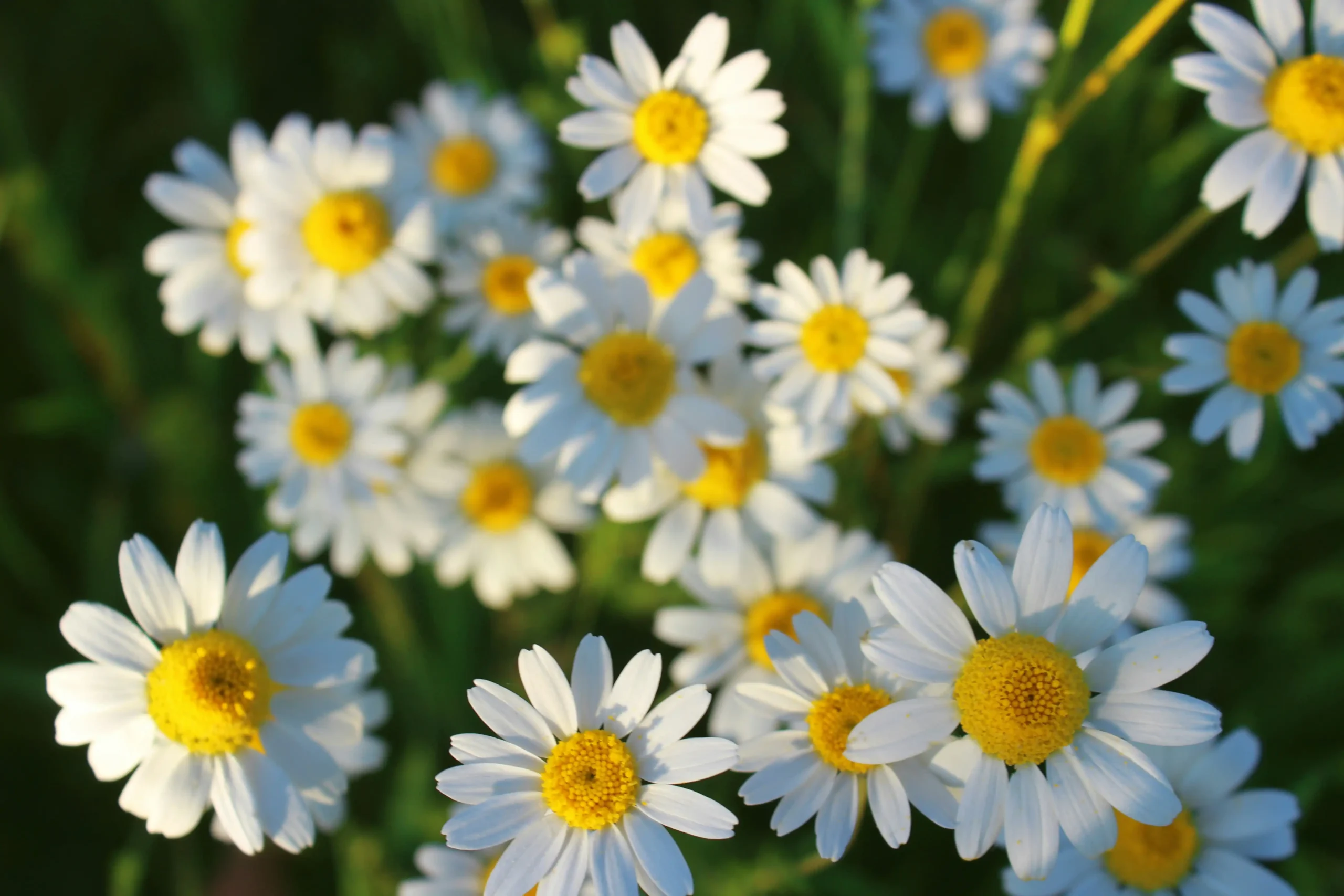
Chamomile is one of the most rewarding flowering herbs you can grow indoors. Famous for its daisy like blooms and soothing tea, this plant combines beauty and practicality in a way few herbs can. While it is commonly grown outdoors, it adapts surprisingly well to containers and indoor environments when provided with sufficient sunlight, well draining soil, and proper care. A healthy plant can produce dozens of fragrant flowers that brighten your home while supplying fresh harvests for tea and other uses.
Growing chamomile indoors allows you to enjoy flowers long after outdoor growing seasons have ended. It also gives you greater control over light, watering, temperature, and pest management. Unlike many flowering plants that require constant attention, this herb is relatively easy to maintain once established. Understanding its natural growing habits and flowering requirements will help you produce healthier plants, stronger stems, and significantly more blooms throughout the season.
Why Grow Chamomile Indoors?
Many gardeners focus on leafy herbs for indoor growing, but flowering herbs can be equally rewarding. This plant not only provides harvestable flowers but also adds ornamental value to windowsills, balconies, and indoor garden shelves. The soft fragrance released by the blooms can make growing spaces feel more inviting, while regular harvesting encourages continuous flower production.
Indoor cultivation also protects plants from heavy rain, strong winds, and fluctuating weather conditions that often damage delicate blooms. Flowers remain cleaner, harvesting becomes easier, and the growing season can be extended considerably. Benefits of growing chamomile indoors include:
- Fresh flowers for tea
- Long flowering season
- Attractive ornamental display
- Pleasant fragrance
- Protection from bad weather
- Cleaner blooms
- Suitable for apartments
- Easy container growing
- Beginner friendly
- Year round cultivation potential
Understanding the Plant’s Growth Habit
Before planting, it helps to understand how this herb develops. During the first stage of growth, the plant focuses on establishing roots and producing fine, feathery foliage. Once a healthy root system is formed, stems begin extending upward and flower buds develop at the tips. The more energy the plant can gather through sunlight, the more flowers it can produce.
Many beginners become concerned when they see slow growth during the first few weeks. This is completely normal. Most of the plant’s energy is being directed underground into root development. Once roots are established, growth becomes much faster and flower production increases significantly. Characteristics of healthy plants include:
- Bright green foliage
- Upright stems
- Numerous flower buds
- Strong root development
- Compact growth
- Continuous blooming
- Fresh fragrance
- Healthy new growth
Choosing Between German and Roman Chamomile
The two most common types grown by gardeners have different characteristics. German Chamomile is generally preferred when the goal is producing large numbers of flowers. It grows quickly, flowers heavily, and completes its life cycle in a single season. Roman Chamomile grows more slowly but can survive for multiple years when cared for properly.
For indoor gardeners interested in maximum flower production, German Chamomile is usually the better option. Its rapid growth and abundant blooms make it ideal for tea harvests and continuous picking throughout the growing season. Popular varieties include:
- German Chamomile
- Roman Chamomile
- Bodegold
- Zloty Lan
- Treneague Roman
- Double Flowered German
Light Requirements for Maximum Blooms
Light is the most important factor affecting flower production. Many indoor gardeners provide enough light to keep foliage alive but not enough to support heavy blooming. This often results in healthy looking plants that produce very few flowers.
A location receiving six to eight hours of direct sunlight daily usually provides the best results. South facing windows are ideal because they receive the highest light intensity. During winter, supplemental lighting can dramatically increase flower production and prevent weak, stretched growth. For healthy flowering:
- Provide 6 to 8 hours of sunlight
- Use south facing windows
- Supplement with grow lights
- Rotate containers weekly
- Keep foliage close to light sources
- Avoid dark rooms
- Monitor stem stretching
- Increase light during winter
Choosing the Right Container
Container selection has a direct impact on root health, moisture retention, and flower production. While this herb does not develop an aggressive root system, it still benefits from adequate growing space. Small containers dry out quickly and may restrict root development, resulting in fewer flowers and slower growth.
A container that is both deep enough for root expansion and wide enough for airflow around the plant will generally produce healthier growth. Drainage holes are essential because standing water around roots is one of the leading causes of indoor growing failures. When selecting a container:
- Choose a pot 8 to 10 inches deep
- Ensure drainage holes are present
- Use containers with adequate width
- Select breathable materials
- Allow room for future growth
- Avoid decorative pots without drainage
Best Soil for Indoor Growing
Soil quality often determines whether plants thrive or struggle. A growing medium that holds excessive moisture can quickly lead to root problems, while soil that drains too quickly may require constant watering. The ideal soil should retain enough moisture to support growth while allowing excess water to drain freely. A loose, airy structure also improves oxygen availability around roots, encouraging stronger development and better flowering. For the best growing medium:
- Use quality potting mix
- Add perlite for drainage
- Include small amounts of compost
- Maintain loose soil texture
- Avoid heavy garden soil
- Prevent soil compaction
Starting From Seeds
Growing from seed is the most popular method because seeds germinate quickly and produce vigorous plants. The seeds are extremely small and require light for successful germination, so they should never be buried deeply. Consistent moisture is important during germination, but excessive watering can wash seeds deeper into the soil and reduce germination rates. For successful germination:
- Sow seeds on the soil surface
- Press seeds gently into place
- Keep soil lightly moist
- Provide bright light
- Maintain warm temperatures
- Avoid overwatering
- Ensure good airflow
Watering Requirements
Proper watering is one of the most important aspects of indoor cultivation. Many beginners assume flowering herbs require constant moisture, but excessive watering often causes more damage than slightly dry soil. The goal is to keep the root zone evenly moist without creating soggy conditions. Checking soil moisture before watering is often the easiest way to avoid common mistakes. For proper watering:
- Check soil before watering
- Water when the surface begins drying
- Water thoroughly when needed
- Empty drainage trays
- Avoid waterlogged soil
- Reduce watering during winter
- Monitor moisture regularly
Temperature and Humidity
Most homes naturally provide suitable temperatures for healthy growth. Moderate indoor conditions encourage steady development and support continuous flowering. Extreme heat can shorten flower life, while prolonged cold conditions may slow growth and reduce bloom production. Stable temperatures generally produce the best results. Ideal growing conditions include:
- Temperatures between 60°F and 75°F
- Moderate humidity
- Good airflow
- Stable indoor conditions
- Protection from cold drafts
- Consistent temperatures
Fertilizing for Better Flower Production
Unlike leafy vegetables that require heavy feeding, flowering herbs generally perform better with moderate fertilization. Too much fertilizer often encourages lush foliage growth while reducing the number of flowers produced. A light feeding schedule helps support healthy stems and continuous flowering without encouraging excessive leaf production. For successful fertilization:
- Use balanced fertilizer
- Feed once monthly
- Apply diluted solutions
- Avoid excess nitrogen
- Reduce winter feeding
- Monitor plant growth
Growing Under Artificial Lights
Many indoor gardeners rely on grow lights during winter or in homes with limited sunlight. High quality LED grow lights can successfully replace natural sunlight and maintain flowering throughout the year. The closer plants receive to their ideal light levels, the more flowers they are likely to produce. Consistency is often more important than intensity alone. For successful use:
- Provide 12 to 14 hours of light daily
- Position lights close to plants
- Use timers for consistency
- Adjust height as plants grow
- Monitor flowering response
- Clean fixtures regularly
Encouraging More Flowers
Flower production depends on several environmental factors working together. Healthy plants that receive adequate sunlight, proper watering, and moderate feeding generally bloom for much longer periods. Removing spent flowers also helps redirect energy toward producing new buds rather than developing seeds. To encourage more blooms:
- Provide strong sunlight
- Harvest flowers regularly
- Remove spent blooms
- Avoid over fertilizing
- Maintain consistent watering
- Ensure good airflow
- Prevent overcrowding
Harvesting Flowers
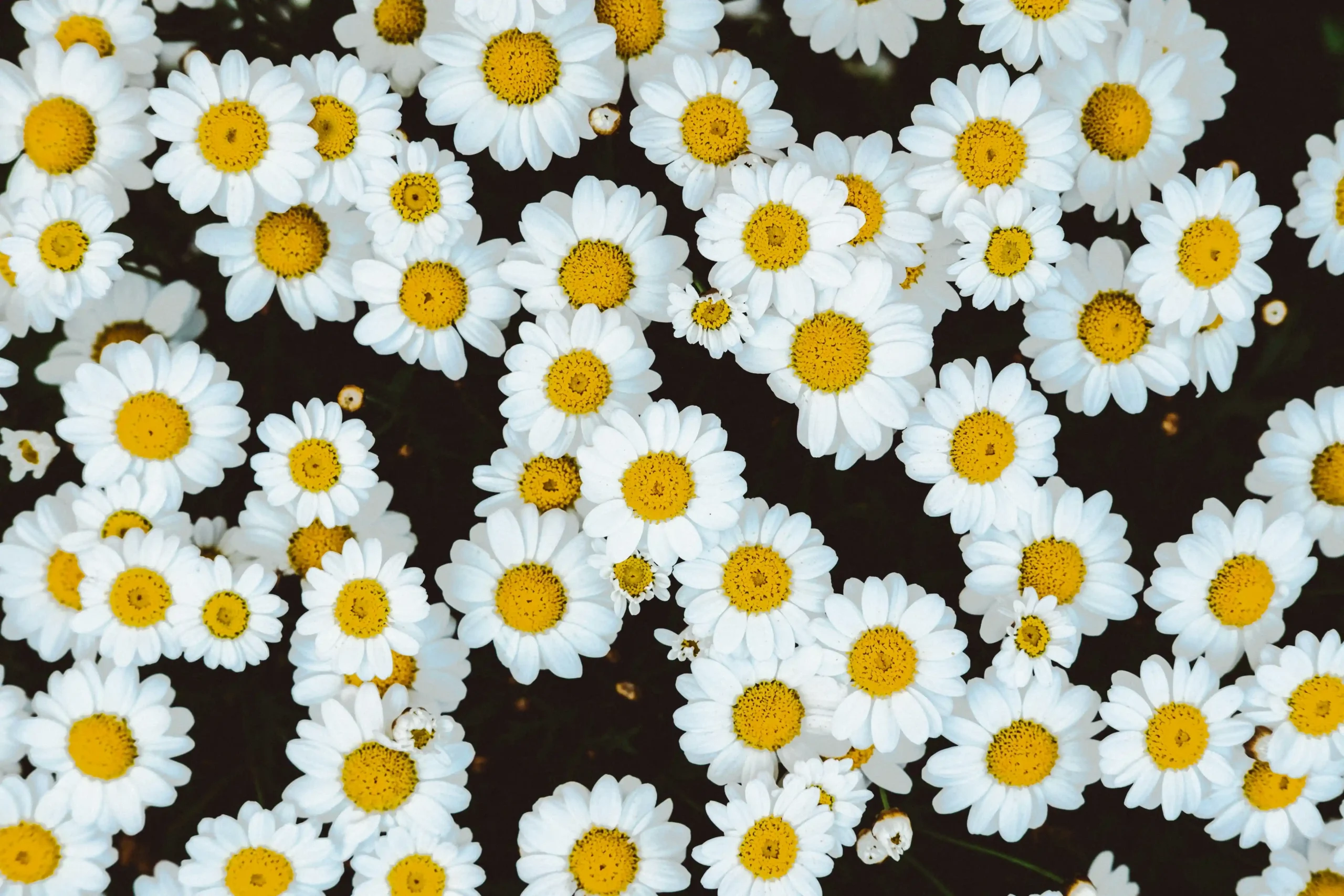
The best flowers are harvested when they are fully open and at their peak fragrance. Picking too early often reduces quality, while waiting too long can result in aging blooms with weaker aroma. Regular harvesting stimulates additional flowering and helps extend the blooming season. For successful harvesting:
- Harvest fully opened flowers
- Pick during dry conditions
- Collect blooms regularly
- Use clean scissors
- Handle flowers carefully
- Avoid damaged blooms
Drying and Storing Flowers
Drying allows flowers to be stored for months while preserving much of their fragrance and quality. Proper drying is especially important for gardeners who plan to use their harvest for herbal tea. Flowers should dry slowly in a well ventilated area away from direct sunlight. Excessive heat can reduce aroma and overall quality. For successful drying and storage:
- Spread flowers in a single layer
- Ensure good airflow
- Keep away from direct sunlight
- Turn flowers occasionally
- Store completely dry blooms
- Use airtight containers
Common Growing Problems
Most indoor growing problems result from environmental issues rather than diseases. Identifying symptoms early helps prevent serious setbacks and allows plants to recover quickly. Many issues can be corrected simply by adjusting light levels, watering habits, or airflow around the plant. Common issues include:
- Weak flowering
- Yellow leaves
- Leggy stems
- Root rot
- Slow growth
- Wilting foliage
- Brown leaf tips
- Dropping flower buds
- Pale leaves
- Weak stems
Common Indoor Pests
Indoor growing reduces pest pressure but does not eliminate it completely. Regular inspections help detect infestations before they become severe. Most pests hide beneath leaves and around tender new growth where they are difficult to notice initially. Common pests include:
- Aphids
- Spider mites
- Whiteflies
- Thrips
- Fungus gnats
- Mealybugs
Common Mistakes to Avoid
Many gardeners unintentionally reduce flowering by creating conditions that encourage foliage growth instead of blooms. Understanding these mistakes can dramatically improve overall success. Small adjustments in care often produce significant improvements in plant health and flower production. Common mistakes include:
- Overwatering plants
- Using heavy soil
- Growing in low light
- Excessive fertilization
- Poor airflow
- Overcrowding plants
- Ignoring spent flowers
- Using containers without drainage
- Allowing temperature extremes
Final Thoughts
Growing chamomile indoors is one of the most satisfying ways to enjoy fresh flowers throughout the year. Its attractive blooms, pleasant fragrance, and practical uses make it a valuable addition to any indoor herb garden. While it may appear delicate, it is surprisingly easy to maintain when provided with adequate light, well draining soil, and proper watering.
Success comes from understanding the plant’s natural preference for bright conditions and moderate moisture. With consistent care, regular harvesting, and attention to flower production, even a single container can provide an impressive display of blooms and a steady supply of flowers for tea and other household uses.
Frequently Asked Questions (FAQs)
Most plants begin flowering about 6 to 10 weeks after germination, depending on the variety, light levels, and growing conditions. German Chamomile generally flowers faster than Roman Chamomile.
This problem is often caused by damping off disease, overwatering, poor airflow, or insufficient light during the seedling stage.
Small flowers are commonly caused by inadequate sunlight, crowded plants, nutrient deficiencies, or inconsistent watering.
No. A container around 8 to 10 inches deep is usually sufficient for healthy root development and flower production.
Yes. It is considered one of the easier flowering herbs for indoor gardeners because it grows quickly and requires relatively simple care.
Yes. The blooms naturally close during the evening and reopen when exposed to daylight.
This is often caused by inadequate light, temperature stress, or inconsistent watering during the blooming stage.
German Chamomile is generally preferred for tea because it produces more flowers and has a sweeter, more traditional flavor.
The fragrance often depends on light intensity and harvest timing. Flowers harvested when fully open and grown in strong sunlight usually develop a richer aroma.
It is possible, but flowering plants often experience transplant shock. It is usually better to transplant before buds appear.



- Be Respectful
- Stay Relevant
- Stay Positive
- True Feedback
- Encourage Discussion
- Avoid Spamming
- No Fake News
- Don't Copy-Paste
- No Personal Attacks
- Be Respectful
- Stay Relevant
- Stay Positive
- True Feedback
- Encourage Discussion
- Avoid Spamming
- No Fake News
- Don't Copy-Paste
- No Personal Attacks
