Want Bigger Ginger Harvests? Read This Guide
Published: 25 Jun 2026
Growing fresh ginger at home is one of the most practical indoor gardening projects because it combines easy maintenance with highly rewarding results. Unlike many edible crops that demand intense sunlight, heavy pruning, or constant pollination, this tropical plant is relatively forgiving. It adapts well to containers and grows steadily in warm indoor environments, making it a great choice for both beginners and experienced gardeners.
One of the biggest advantages of indoor cultivation is year round access to fresh rhizomes for cooking, tea, and medicinal use. Homegrown harvests are often fresher, juicier, and more aromatic than store bought ones. Success mainly depends on understanding how the plant grows and providing proper warmth, moisture, light, and soil conditions. Once established, it can continue producing for months with minimal difficulty.
Why Grow Ginger Indoors?
Growing your own rhizomes indoors offers convenience and quality. You can harvest small portions whenever needed instead of buying fresh roots repeatedly. This makes it especially useful for people who frequently use it in cooking, herbal drinks, or home remedies. Another major advantage is environmental control. Indoor growing allows you to manage temperature, watering, humidity, and soil quality more effectively. This often results in healthier growth and better quality harvests. Benefits include:
- Fresh year round harvests
- Beginner friendly crop
- Great for containers
- Low maintenance plant
- Useful for cooking
- Excellent for small spaces
Choosing the Right Ginger for Planting
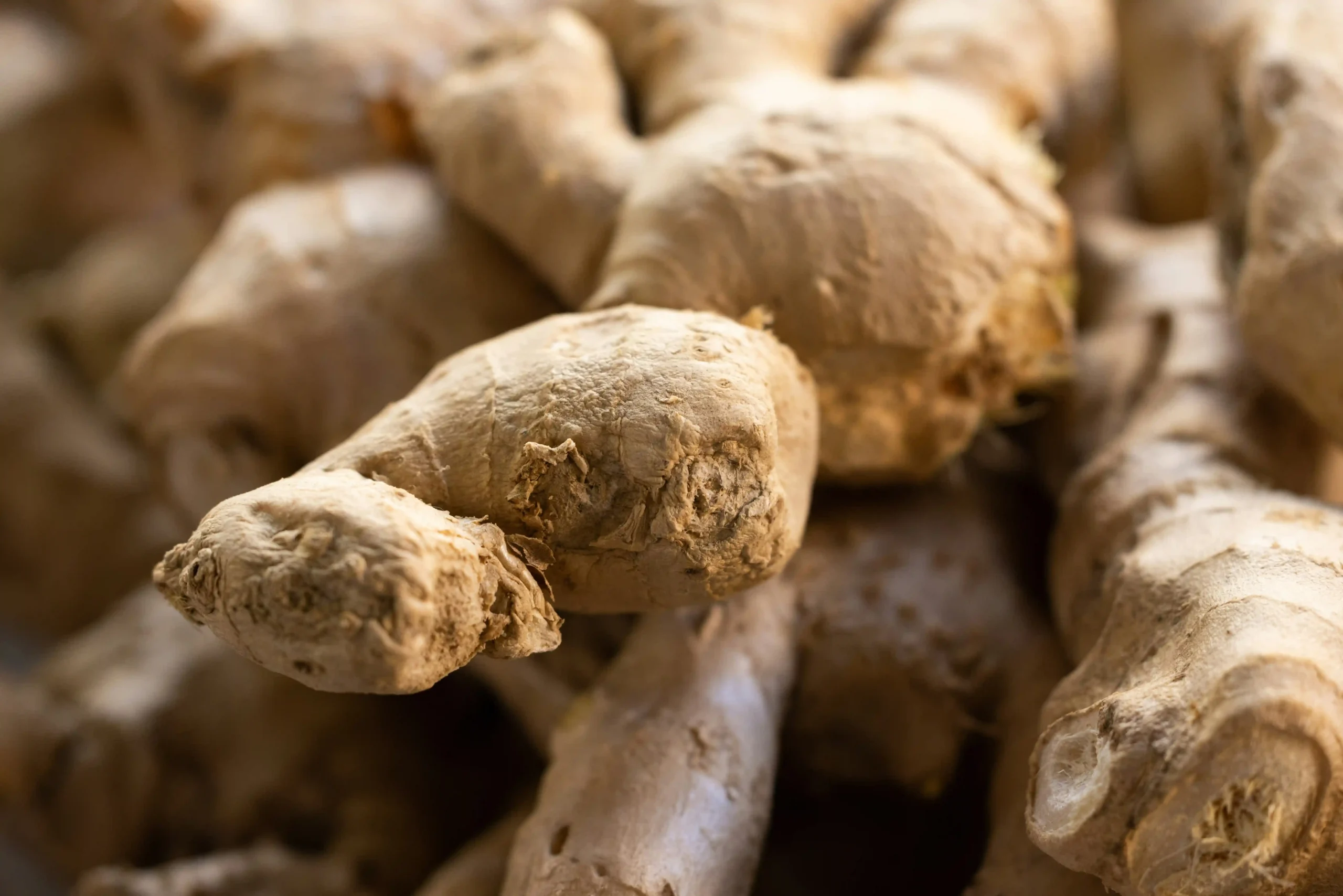
Choosing quality planting material determines how successful your harvest will be. Healthy rhizomes produce stronger shoots, faster growth, and better yields. Poor quality roots often struggle to sprout or produce weak plants. Look for fresh, plump rhizomes with visible growth buds, often called eyes. These buds are where shoots emerge after planting. Avoid shriveled, moldy, damaged, or soft roots because they usually perform poorly. Choose rhizomes with:
- Firm texture
- Smooth skin
- Visible buds
- No mold
- No soft spots
- Healthy appearance
Understanding How Ginger Grows
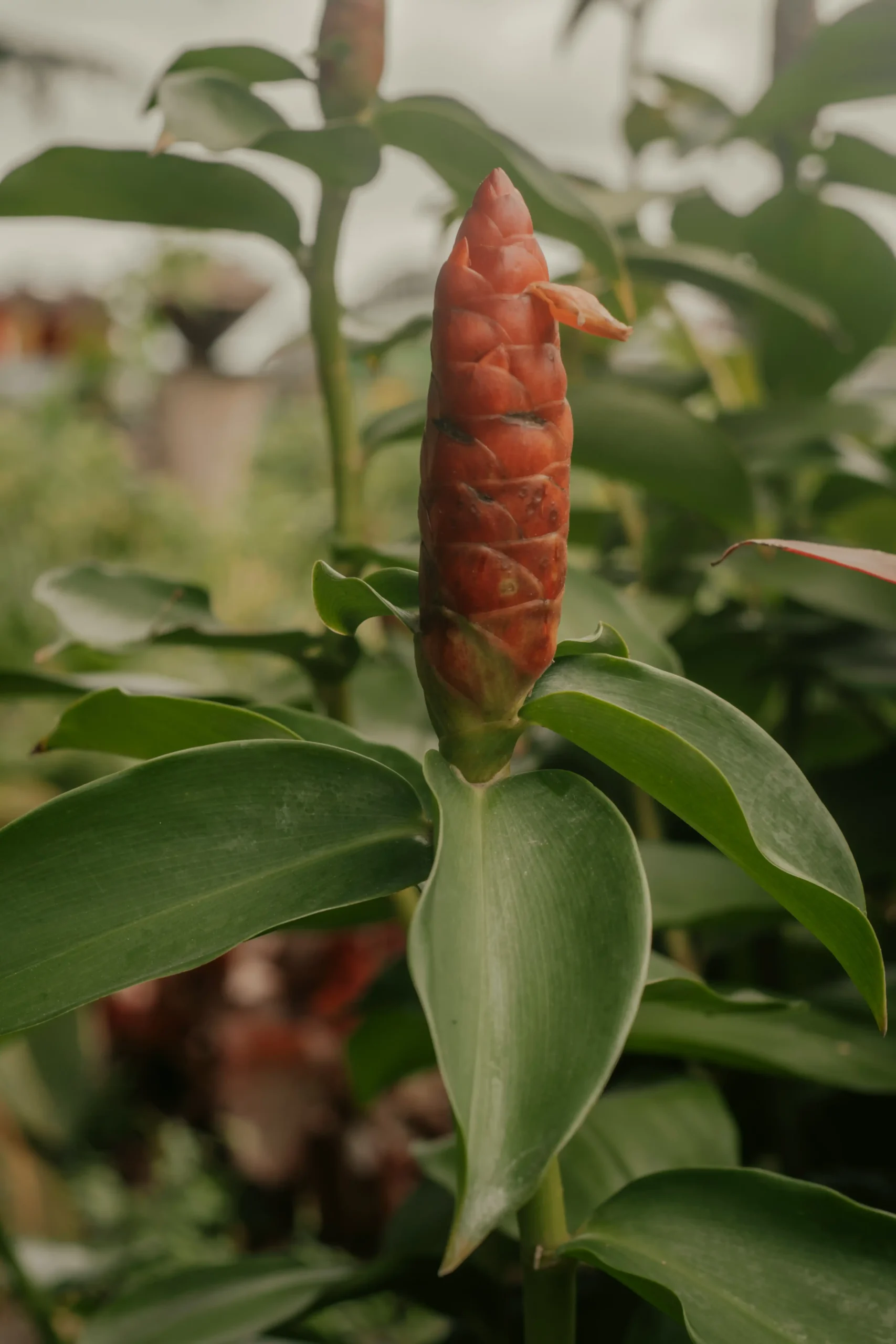
Ginger grows differently from most common vegetables because it develops from underground rhizomes instead of traditional roots. The rhizome acts as both storage and growth tissue. New shoots grow upward into leafy stems, while new rhizomes expand horizontally below the soil. Growth is usually slow during the first few weeks after planting because energy goes into root establishment. Once shoots appear, foliage grows steadily and underground rhizomes gradually expand. Healthy plants usually show:
- Thick green shoots
- Upright growth
- Healthy leaves
- Strong root system
- Rhizome expansion
- Vibrant color
Choosing the Right Container
Container choice plays a major role in overall growth. Since rhizomes spread horizontally, wide containers are far better than deep narrow pots. A narrow container restricts sideways growth and reduces harvest size. Drainage is equally important. Excess water sitting around roots increases the risk of rot, which is one of the biggest causes of failure. For best results:
- Use wide containers
- Choose shallow to medium depth pots
- Ensure drainage holes
- Avoid narrow containers
Best Soil for Indoor Growing
Loose, nutrient rich soil is essential for strong growth. Heavy compact soil restricts root expansion and slows rhizome development. Poor drainage can also increase disease risk. The ideal soil should hold enough moisture while still allowing excess water to drain efficiently. Good aeration is important because roots need oxygen for healthy growth. A good soil mix includes:
- Quality potting mix
- Compost
- Coco coir
- Perlite
Light Requirements
One reason this plant is popular indoors is that it tolerates moderate light better than many edible crops. In its natural habitat, it often grows under filtered sunlight rather than harsh direct exposure. Bright indirect light works best. Too much harsh direct sun can scorch leaves, while insufficient light slows growth and weakens foliage. For healthy growth:
- Provide bright indirect light
- Use filtered sunlight
- Avoid harsh afternoon sun
- Use grow lights if needed
Temperature Requirements
Warmth is essential because this is a tropical plant. Cool temperatures slow growth dramatically and may cause stress. Consistent warmth helps support steady foliage growth and healthy rhizome development. Cold drafts from windows, air conditioners, or sudden temperature drops can negatively affect growth. Ideal conditions include:
- 70°F to 85°F daytime
- Warm nights
- Stable temperatures
- Moderate humidity
Planting Process
Planting is simple, but proper preparation improves results. Large rhizomes can be cut into smaller sections as long as each piece contains at least one healthy growth bud. Allow cut pieces to dry briefly before planting so the cut surface heals. Plant shallow because shoots need easy access to the surface. Buds should face upward. For successful planting:
- Cut healthy sections
- Keep visible buds
- Plant shallow
- Space pieces properly
Watering Requirements
Proper watering is one of the most important parts of successful growth. The soil should stay consistently moist but never soggy. This balance is important because both under watering and overwatering create problems. Too little water slows growth and causes dry foliage. Too much water often causes root rot, fungal issues, and poor rhizome development. For proper watering:
- Check soil regularly
- Keep soil lightly moist
- Avoid soggy soil
- Reduce watering in slow growth periods
Fertilizing for Better Growth
Since this plant develops underground storage tissue, it benefits from steady nutrition during active growth. Balanced feeding supports stronger shoots, healthier foliage, and larger harvests. Organic matter also improves long term soil fertility and supports healthy root development. For feeding:
- Use balanced fertilizer
- Feed regularly
- Add compost
- Monitor plant growth
Humidity and Airflow
This plant naturally prefers humid tropical conditions. Dry indoor air can stress foliage and reduce growth. Moderate humidity helps leaves stay healthier and improves overall vigor. Good airflow is also important because stagnant conditions encourage fungal issues. For better conditions:
- Maintain moderate humidity
- Improve airflow
- Avoid dry air
- Prevent stagnant conditions
Growth Timeline
Understanding the growth timeline helps manage expectations. This is not a fast harvest crop. Growth is gradual, especially in early stages. Shoots usually appear after a few weeks under warm conditions. Young rhizomes can be harvested earlier, while mature harvests take longer. Growth stages include:
- Sprouting stage
- Leaf growth
- Root expansion
- Rhizome development
Harvesting
Harvest timing depends on whether you want tender young rhizomes or mature roots with stronger flavor. Young harvests are juicy, mild, and less fibrous. Mature harvests are larger and more flavorful. Most indoor growers wait several months before harvesting for better size and flavor. Signs of readiness include:
- Mature plant growth
- Thick rhizomes
- Strong aroma
- Healthy foliage
Common Growing Problems
Most growing problems come from poor watering, weak drainage, low temperatures, or insufficient light. Identifying issues early improves recovery. Regular observation helps prevent major problems. Common issues include:
- Yellow leaves
- Slow growth
- Root rot
- Leaf browning
- Wilting
- Weak shoots
Common Indoor Pests
Indoor environments can still attract pests, especially under warm and humid conditions. Early detection makes treatment easier. Routine inspection helps maintain plant health. Common pests include:
- Spider mites
- Aphids
- Fungus gnats
- Mealybugs
Common Mistakes to Avoid
Most failures happen because of a few avoidable mistakes. Fixing these issues early greatly improves results. Avoid these mistakes:
- Overwatering
- Poor drainage
- Cold temperatures
- Weak lighting
- Small containers
- Dry air
Final Thoughts
Growing ginger indoors is one of the most rewarding edible gardening projects because it is practical, productive, and relatively easy to maintain. Success comes from providing warmth, consistent moisture, rich soil, and steady care. With the right setup, healthy plants can thrive indoors and produce fresh aromatic harvests for months.
Frequently Asked Questions (FAQs)
Slow sprouting usually happens because of low temperature, poor rhizome quality, or insufficient moisture.
Yes, as long as the rhizome is fresh, healthy, and has visible growth buds. Organic ginger usually performs better because it is less likely to be treated with growth inhibitors.
Healthy foliage does not always mean strong rhizome development. Limited root space, poor feeding, or insufficient growing time often reduce harvest size.
Soft rhizomes usually indicate rot caused by overwatering, poor drainage, or fungal problems. Healthy rhizomes should feel firm and solid.
Thin shoots often indicate weak lighting, poor nutrition, overcrowding, or limited root space.
Mold usually develops because of excess moisture, poor airflow, or overwatering. Improving airflow and reducing excess moisture often helps.
Some growers soak rhizomes in water for a few hours before planting to help wake up dormant buds and encourage faster sprouting.
Yes, fabric grow bags work well because they provide excellent drainage and good root aeration.
Yes, rhizomes can sometimes split or crack due to rapid expansion, inconsistent watering, or physical pressure in crowded containers.
Yes, but transplanting should be done carefully because disturbing roots and rhizomes can slow growth temporarily.
After sprouting, the plant often shifts energy toward root and rhizome development, so visible top growth may slow temporarily.



- Be Respectful
- Stay Relevant
- Stay Positive
- True Feedback
- Encourage Discussion
- Avoid Spamming
- No Fake News
- Don't Copy-Paste
- No Personal Attacks
- Be Respectful
- Stay Relevant
- Stay Positive
- True Feedback
- Encourage Discussion
- Avoid Spamming
- No Fake News
- Don't Copy-Paste
- No Personal Attacks
