The Best Way to Grow Zucchini Indoors for Maximum Yield
Published: 20 Jun 2026
Zucchini is one of the most productive vegetables you can grow, but many gardeners assume it only thrives in large outdoor gardens. The truth is that with the right setup, zucchini can also be grown indoors successfully. While it requires more space, stronger lighting, and more attention than herbs or leafy greens, the reward of harvesting fresh homegrown squash from an indoor garden is worth the effort.
This fast growing vegetable is known for its vigorous growth, large leaves, and heavy production. A healthy plant can produce multiple fruits over an extended period when grown under ideal conditions. Indoor cultivation gives you control over the environment, allowing you to manage temperature, watering, lighting, and pests more effectively. Before growing zucchini indoors, it is important to understand that this is not a compact crop by nature. Most varieties grow large and spread quickly. Because of this, choosing the right variety and creating the right growing environment are the keys to success.
Why Grow Zucchini Indoors?
Growing zucchini indoors allows you to enjoy fresh harvests regardless of outdoor conditions. It is especially useful for gardeners with limited outdoor space or those who want year round production. Indoor growing also protects plants from harsh weather and many common outdoor pests. Benefits of growing zucchini indoors include:
- Fresh homegrown harvests
- Productive vegetable crop
- Edible flowers and fruits
- Suitable for controlled environments
- Reduced outdoor pest pressure
- Great for container growing
- Year round growing potential
- Highly rewarding harvest
- Fast growing plant
- Excellent kitchen vegetable
Understanding the Growth Habit
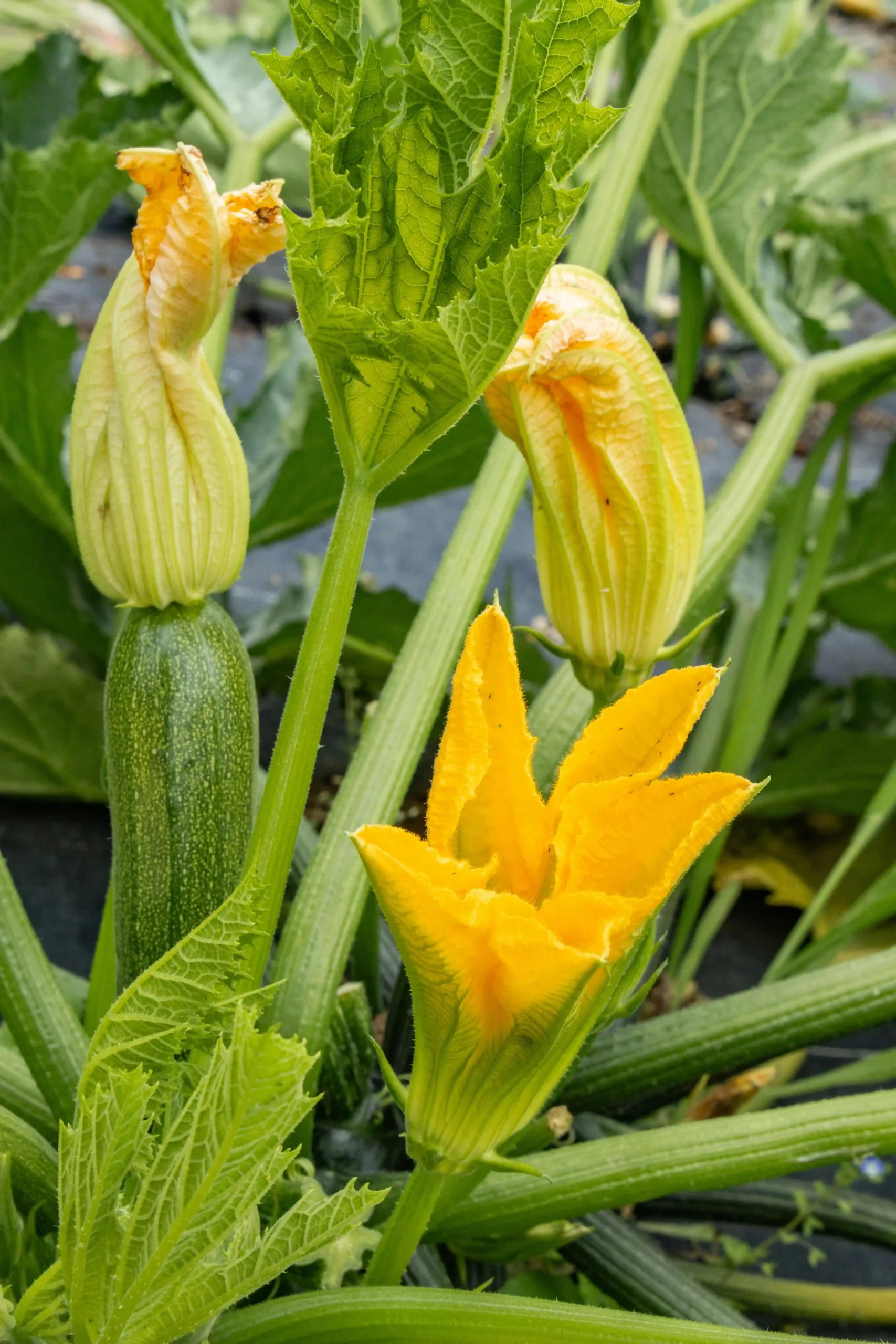
Zucchini plants are vigorous growers with large broad leaves and thick stems. They produce both male and female flowers, which is important to understand for fruit production. Male flowers appear first and mainly provide pollen. Female flowers have a small swollen base behind the flower, which later develops into the fruit after pollination. Characteristics of healthy plants include:
- Large green leaves
- Thick stems
- Fast growth
- Strong root system
- Regular flowering
- Healthy foliage color
- Vigorous development
- Continuous fruit production
Choosing the Best Variety for Indoor Growing
Not all zucchini varieties are suitable for indoor cultivation. Compact and bush type varieties perform much better in containers and limited spaces. Choosing the right variety makes indoor growing significantly easier. Recommended varieties include:
- Astia
- Bush Baby
- Black Beauty
- Patio Star
- Eight Ball
- Raven
- Cue Ball
Choosing the Right Container
Zucchini develops a large root system and needs plenty of space. Small pots often lead to poor growth and low yields. A large container improves root health and productivity. When selecting a container:
- Choose a pot at least 12 to 18 inches deep
- Use large wide containers
- Ensure drainage holes
- Allow extensive root space
- Select durable containers
- Avoid small containers
Best Soil for Indoor Growing
Healthy growth starts with nutrient rich, well draining soil. Because this plant is a heavy feeder, the growing medium must provide consistent nutrients. Loose, fertile soil encourages strong root development and fruit production. For the best growing medium:
- Use quality potting mix
- Add compost
- Include perlite for drainage
- Maintain loose texture
- Avoid compacted soil
- Ensure good aeration
Light Requirements
Light is one of the biggest challenges when growing zucchini indoors. These plants need intense light to support vigorous growth and fruit production. Insufficient light often causes weak growth and poor flowering. For healthy growth:
- Provide 8 to 10 hours of strong light
- Use south facing windows if available
- Supplement with grow lights
- Ensure consistent light exposure
- Rotate containers if needed
- Avoid low light conditions
Temperature Requirements
Zucchini grows best in warm conditions but can struggle under extreme heat indoors. Maintaining stable temperatures helps improve flowering and fruit production. Ideal growing conditions include:
- Temperatures between 65°F and 85°F
- Warm days
- Moderate nights
- Good airflow
- Stable indoor conditions
- Protection from extreme heat
Starting Zucchini From Seed
Growing from seed is the easiest and most reliable method. Seeds germinate quickly under warm conditions and plants establish rapidly. Because zucchini grows fast, many gardeners sow directly into the final container. For successful germination:
- Sow seeds 1 inch deep
- Water after planting
- Keep soil moist
- Maintain warm temperatures
- Provide bright light
- Ensure airflow
Watering Requirements
Zucchini requires consistent moisture for healthy growth and fruit development. Uneven watering can lead to poor production and plant stress. The goal is evenly moist soil without waterlogging. For proper watering:
- Check soil regularly
- Water deeply
- Keep soil evenly moist
- Avoid soggy soil
- Empty drainage trays
- Maintain consistency
Fertilizing for Better Harvests
Zucchini is a heavy feeder and needs regular nutrients to sustain fast growth and continuous fruit production. Proper feeding greatly improves harvests. For successful fertilization:
- Use balanced fertilizer
- Feed regularly
- Add compost when needed
- Monitor plant growth
- Support flowering
- Support fruit development
Pollination Indoors
This is one of the most important parts of indoor zucchini growing. Since indoor plants lack natural pollinators, manual pollination is often necessary. Without pollination, flowers may bloom and drop without producing fruit. For successful pollination:
- Identify male flowers
- Identify female flowers
- Transfer pollen manually
- Use a small brush
- Pollinate in morning
- Monitor fruit formation
Harvesting Zucchini
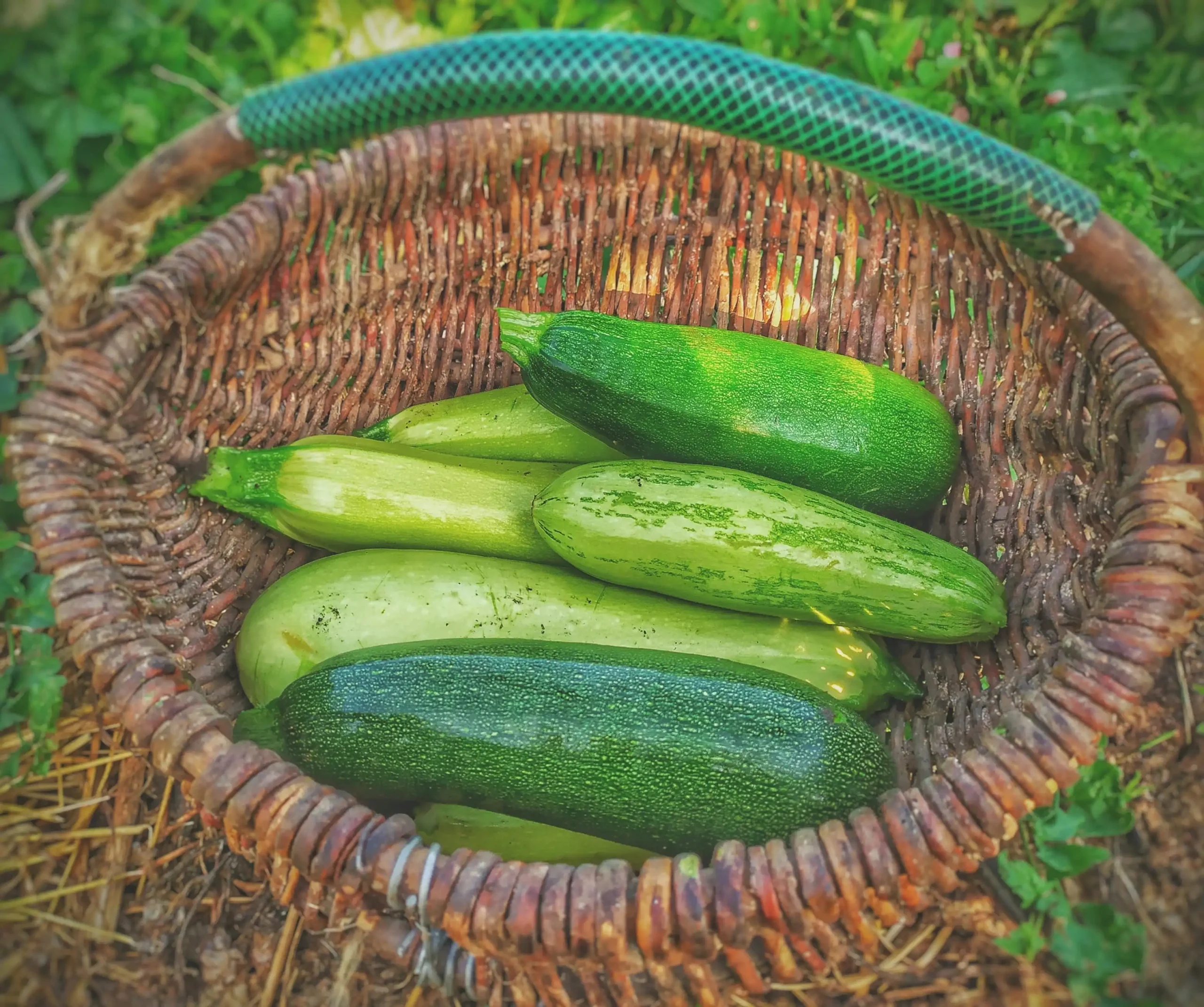
Harvesting at the right time improves flavor and encourages continued production. Young zucchini are usually more tender and flavorful than oversized fruits. Frequent harvesting also encourages more flowers and fruits. For successful harvesting:
- Harvest young fruits
- Use clean tools
- Check plants daily
- Avoid oversized fruits
- Harvest regularly
- Encourage continued production
Common Growing Problems
Most indoor problems result from environmental stress, poor pollination, or watering issues. Early identification helps prevent major problems. Common issues include:
- Yellow leaves
- Weak growth
- No fruit production
- Flower drop
- Rotting fruits
- Slow growth
- Powdery mildew
- Wilting
Common Indoor Pests
Indoor zucchini can still face pest issues, especially in warm growing conditions. Regular monitoring helps prevent infestations. Common pests include:
- Aphids
- Spider mites
- Whiteflies
- Fungus gnats
- Thrips
Common Mistakes to Avoid
Many gardeners struggle with zucchini indoors because of a few common mistakes. Avoiding these improves success dramatically. Common mistakes include:
- Growing in low light
- Using small containers
- Overwatering
- Ignoring pollination
- Underfertilizing
- Poor airflow
- Delayed harvesting
- Overcrowding plants
Final Thoughts
Zucchini can be a rewarding indoor crop for gardeners willing to provide the space, light, and care it needs. While it is more demanding than smaller vegetables, the ability to harvest fresh homegrown squash indoors makes the effort worthwhile.
With strong lighting, rich soil, regular feeding, consistent watering, and proper pollination, healthy plants can produce impressive harvests even in containers. If you choose compact varieties and maintain the right growing conditions, indoor zucchini growing can be highly successful.
Frequently Asked Questions (FAQs)
This usually happens because the flowers are not being pollinated properly. Indoor plants depend heavily on hand pollination since natural pollinators are absent.
Female flowers usually start appearing 2 to 4 weeks after the first male flowers, depending on variety and growing conditions.
Zucchini flowers usually open early in the morning and may close by afternoon. This short pollination window is normal.
This is one of the clearest signs of failed pollination. The fruit starts developing but stops when pollination is incomplete.
A healthy compact plant can produce 10 to 30 fruits or more over its growing season, depending on variety and care.
This may be caused by blossom end rot, often linked to inconsistent watering or calcium imbalance.
No. While flowers contain reproductive parts, pollen usually needs manual transfer indoors.
You can remove some for cooking, but keep enough for pollination.
Most fruits taste best when harvested at 6 to 8 inches long. Smaller fruits are usually more tender.
The hardest part is balancing these three factors:
- Strong enough light
- Successful hand pollination
- Enough space for growth
These three usually determine whether indoor zucchini succeeds or fails.




- Be Respectful
- Stay Relevant
- Stay Positive
- True Feedback
- Encourage Discussion
- Avoid Spamming
- No Fake News
- Don't Copy-Paste
- No Personal Attacks
- Be Respectful
- Stay Relevant
- Stay Positive
- True Feedback
- Encourage Discussion
- Avoid Spamming
- No Fake News
- Don't Copy-Paste
- No Personal Attacks
