Why Healthy Indoor Raspberry Plants Still Fail to Produce Fruit
Published: 23 Jun 2026
Growing fruit indoors is always exciting, and few crops feel as rewarding as harvesting fresh berries straight from your home garden. While most gardeners think these plants only thrive outdoors, compact varieties can adapt surprisingly well to indoor conditions when given the right care. Success depends on creating an environment that supports healthy cane growth, flowering, and fruit production.
Indoor raspberry growing requires more patience than growing herbs or leafy greens because these plants need strong light, proper airflow, regular pruning, and consistent feeding. They are not the easiest fruiting plants for beginners, but with the right setup, they can reward you with healthy growth, beautiful foliage, and sweet harvests for multiple seasons.
Why Grow Raspberry Plants Indoors?
Growing raspberry indoors is a great option for gardeners who have limited outdoor space or want to enjoy fresh fruit from containers. It also gives you much greater control over important growing conditions such as soil quality, watering, temperature, and pest management.
Another major advantage is that these plants are both productive and attractive. Their green foliage and upright canes can add beauty to an indoor garden while producing edible fruit. Benefits include:
- Fresh homegrown berries
- Ideal for container growing
- Suitable for small spaces
- Attractive foliage
- Productive fruit crop
- Better environmental control
Choosing the Right Variety
This is one of the most important steps because not every variety performs well indoors. Traditional types often grow too large and produce long canes that become difficult to manage in indoor spaces. Compact, dwarf, and everbearing varieties are better suited for containers. Everbearing types are especially useful because they can produce fruit more than once during the growing season. Best varieties include:
- Raspberry Shortcake
- Heritage
- Fall Gold
- Anne
- Caroline
- Jewel
Understanding the Growth Habit
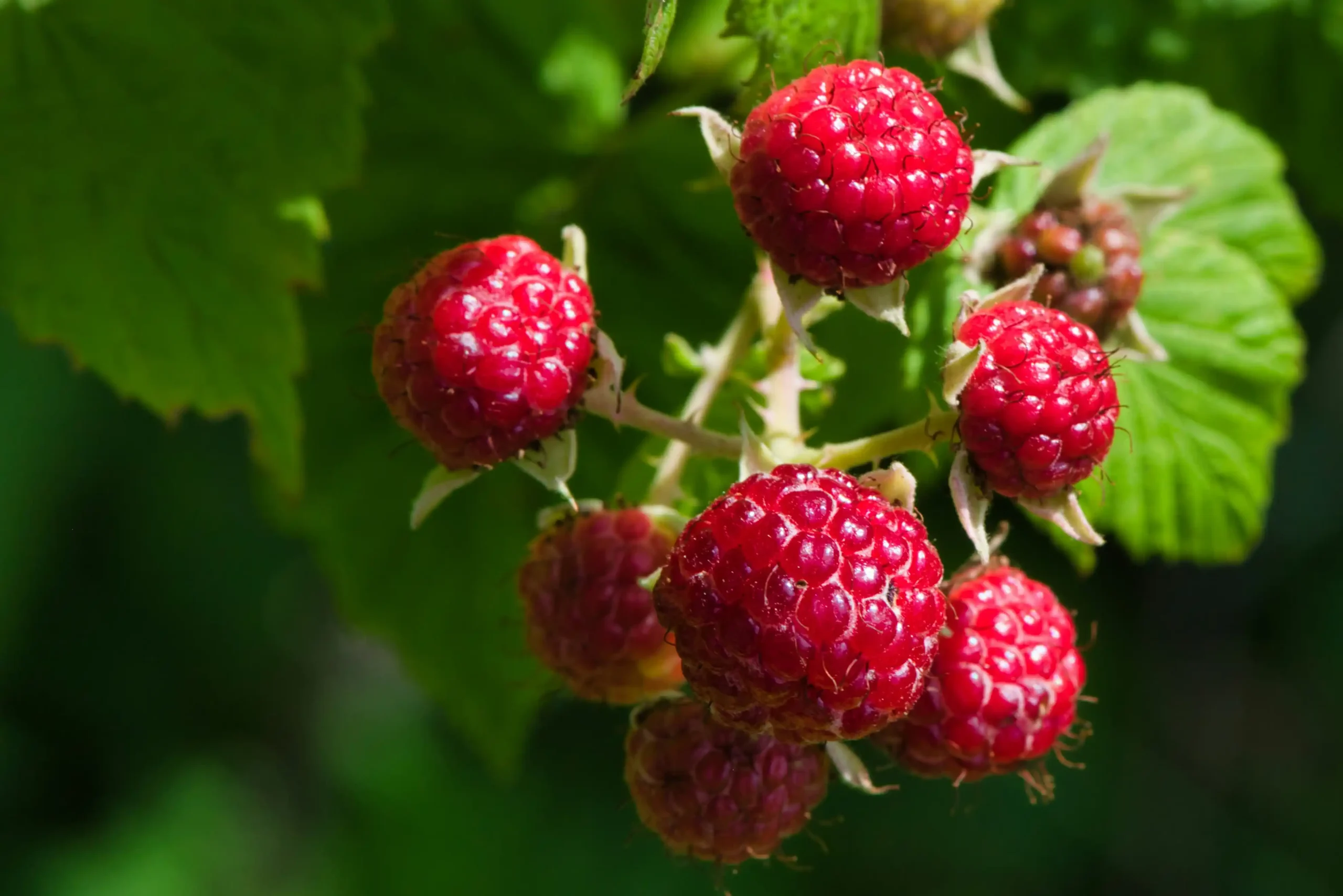
Before growing raspberry indoors, it helps to understand how they naturally grow. They produce upright or arching canes from the root system. These canes usually follow a two year growth cycle. First year canes focus on vegetative growth, while second year canes often focus on fruit production.
Some ever bearing varieties can produce fruit on first year canes, making them much better for indoor growing. Understanding this growth pattern makes pruning and maintenance much easier. Healthy plants usually have:
- Strong upright canes
- Healthy green foliage
- Steady new growth
- Strong root development
- Vigorous cane production
- Good fruit development
Choosing the Right Container
Container size has a major impact on plant health and productivity. Small pots restrict root growth, which leads to weaker canes and reduced fruit production. These plants need enough root space to support healthy growth over time. Larger containers also help retain moisture more consistently and reduce stress caused by rapid drying. For best results:
- Use 15 to 20 gallon containers
- Choose wide containers
- Ensure drainage holes
- Avoid shallow pots
Best Soil for Indoor Growing
Healthy roots need soil that balances moisture retention and drainage. Heavy soil often becomes compacted, restricting root growth and reducing airflow. Poor soil also increases the risk of root rot. A rich, loose growing medium helps roots grow freely while giving the plant access to steady nutrients and proper moisture. A good soil mix includes:
- Quality potting mix
- Compost
- Perlite
- Organic matter
Light Requirements
Light is one of the biggest challenges when growing fruiting plants indoors. These plants need strong light to support healthy cane growth, flower development, and berry production. Without enough light, canes often become weak and fruiting declines significantly. A sunny window can help, but in most homes, natural light alone is not enough for reliable fruit production. Supplemental grow lights usually improve results dramatically. For healthy growth:
- Provide 6 to 8 hours of strong light
- Use grow lights if needed
- Keep lighting consistent
- Avoid low light areas
Temperature Requirements
Raspberry prefer moderate temperatures and stable growing conditions. Excessive heat can stress the plant, while extreme cold slows growth and reduces productivity. Good airflow is equally important because stagnant indoor air increases disease risk and weakens overall plant health. Ideal conditions include:
- 60°F to 75°F daytime
- Cool nights
- Stable temperatures
- Good airflow
Starting Plants Indoors
Most growers start with bare root plants, nursery plants, or root divisions rather than seeds. Seeds take much longer and require more patience. Starting with healthy young plants gives faster establishment and quicker fruit production. For best results:
- Choose healthy starter plants
- Plant in rich soil
- Water thoroughly
- Provide bright light
Watering Requirements
Consistent watering is essential for healthy growth and berry development. Dry soil stresses the plant and reduces fruit quality, while soggy soil can damage roots. The goal is evenly moist soil without waterlogging. Deep watering encourages stronger root growth. For proper watering:
- Check soil regularly
- Water deeply
- Keep soil evenly moist
- Avoid soggy soil
Fertilizing for Better Growth
These plants need regular nutrients to support cane growth, flowering, and fruit production. Nitrogen supports leafy growth, while phosphorus and potassium improve flowering and fruit quality. Poor nutrition often leads to weak canes, smaller berries, and lower yields. For feeding:
- Use balanced fertilizer
- Feed regularly
- Add compost
- Monitor growth
Pollination Indoors
Most varieties are self fertile, which makes indoor growing easier than many fruit crops. However, indoor conditions reduce airflow and natural pollination, which can affect fruit set. Simple hand pollination can improve berry production, especially during flowering. For better pollination:
- Shake canes gently
- Improve airflow
- Use a soft brush
- Monitor flower development
Pruning and Support
Pruning is essential for maintaining healthy growth and improving fruit production. Removing weak, damaged, or old canes helps the plant focus its energy on stronger growth. Some varieties also benefit from support systems as canes grow taller and heavier. Helpful supports include:
- Stakes
- Trellises
- Plant ties
- Support frames
Harvesting
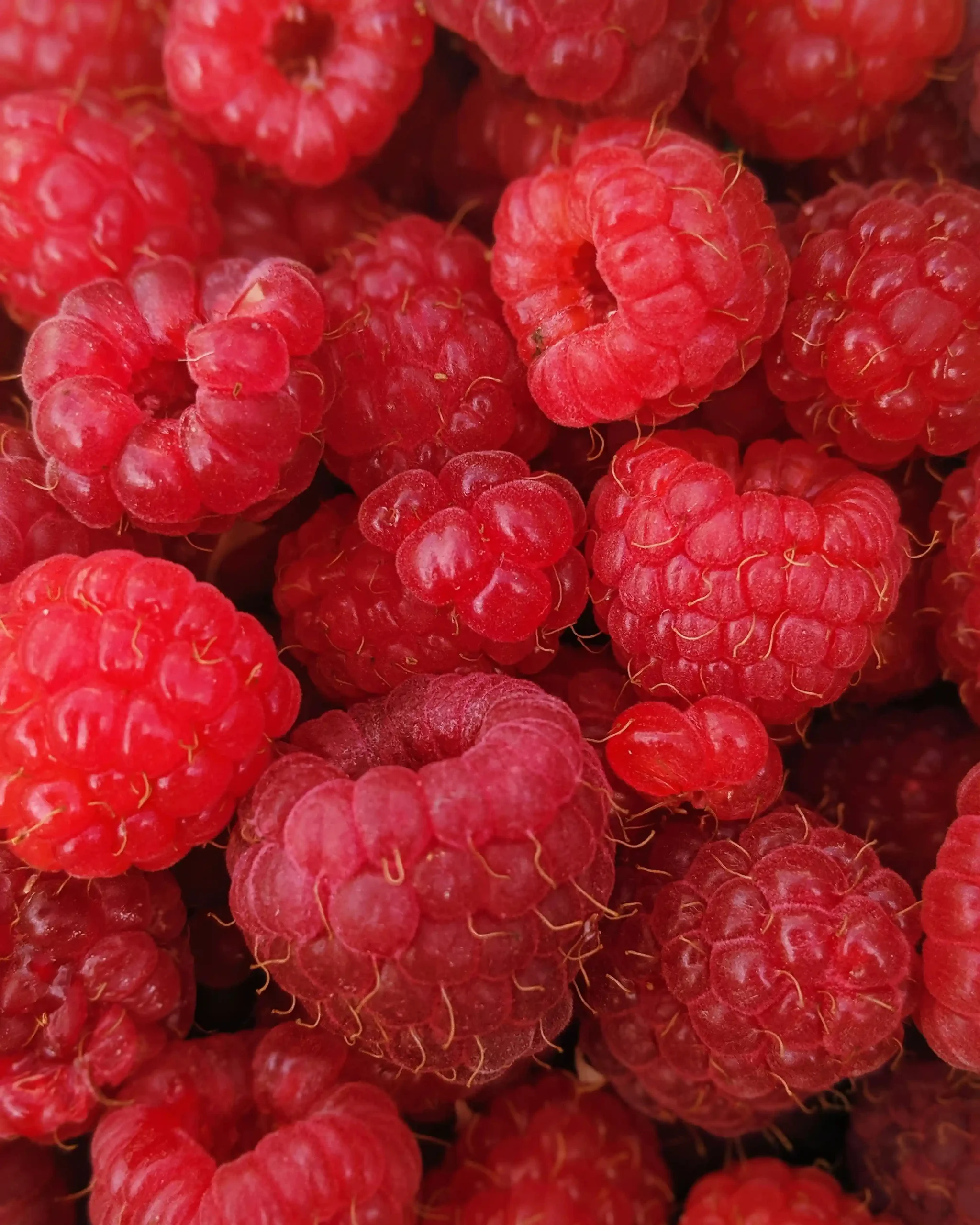
Berries taste best when fully ripe. Harvest too early and they may taste sour or lack sweetness. Fully ripe fruit usually has rich color, soft texture, and separates easily from the plant. Frequent harvesting also encourages better productivity and prevents over ripening. Signs of readiness include:
- Full color
- Soft texture
- Sweet aroma
- Easy picking
Common Growing Problems
Most indoor problems are caused by poor lighting, watering mistakes, weak airflow, or nutrient issues. Catching problems early makes correction much easier. Regular observation helps maintain healthy plants. Common issues include:
- Yellow leaves
- Weak canes
- Poor fruiting
- Slow growth
- Wilting
- Leaf drop
Common Indoor Pests
Even indoors, pest problems can occur. Warm indoor conditions often attract insects that feed on leaves and weaken plant health. Routine inspection is important for early detection. Common pests include:
- Aphids
- Spider mites
- Whiteflies
- Fungus gnats
Common Mistakes to Avoid
Most failures happen because of a few common mistakes. Avoiding them can dramatically improve plant health and fruit production. Understanding these problems early saves time and effort. Avoid these mistakes:
- Weak lighting
- Small containers
- Overwatering
- Poor airflow
- Skipping pruning
- Under fertilizing
Final Thoughts
Growing raspberry plants indoors requires patience, consistency, and the right setup, but the reward can be incredibly satisfying. Watching healthy canes grow, flowers bloom, and berries ripen indoors makes the effort worthwhile. With strong light, nutrient rich soil, proper pruning, and regular care, healthy plants can produce sweet flavorful harvests right inside your home.
Frequently Asked Questions (FAQs)
This usually happens because of insufficient light, improper pruning, poor pollination, or excessive nitrogen fertilizer.
Most varieties are self fertile, but indoor plants often benefit from manual pollination because airflow and natural pollinators are limited.
Brown edges usually indicate underwatering, fertilizer burn, heat stress, or inconsistent watering.
Small berries are often caused by weak lighting, inconsistent watering, poor nutrition, or overcrowded canes.
Water when the top layer of soil starts feeling slightly dry. Keep moisture consistent without making soil soggy.
Yes, pruning is essential to improve airflow, encourage healthy growth, and improve fruit production.
Excessive heat can stress plants and reduce fruit quality. Moderate temperatures are better.
This usually happens because of poor pollination, low humidity, plant stress, or inconsistent watering. Flowers may bloom but fail to develop into berries if pollination is weak.
Soft berries are often caused by overwatering, poor airflow, excess humidity, or harvesting too late.
Brown canes may be caused by natural aging, cane dieback, disease, or watering stress. Older fruiting canes often decline after production.
Slow ripening is usually caused by insufficient light, cool temperatures, poor nutrition, or weak plant energy. Fruit production may start, but berries mature slowly under suboptimal conditions.
Most varieties are not ideal for hanging containers because they develop canes and root systems that need deeper and wider containers for long term health.
Poor flavor usually happens because of weak light, overwatering, or harvesting before full ripeness. Better light exposure often improves sweetness significantly.




- Be Respectful
- Stay Relevant
- Stay Positive
- True Feedback
- Encourage Discussion
- Avoid Spamming
- No Fake News
- Don't Copy-Paste
- No Personal Attacks
- Be Respectful
- Stay Relevant
- Stay Positive
- True Feedback
- Encourage Discussion
- Avoid Spamming
- No Fake News
- Don't Copy-Paste
- No Personal Attacks
