How to Get Perfect Radishes Indoors Every Single Time
Published: 10 Jun 2026
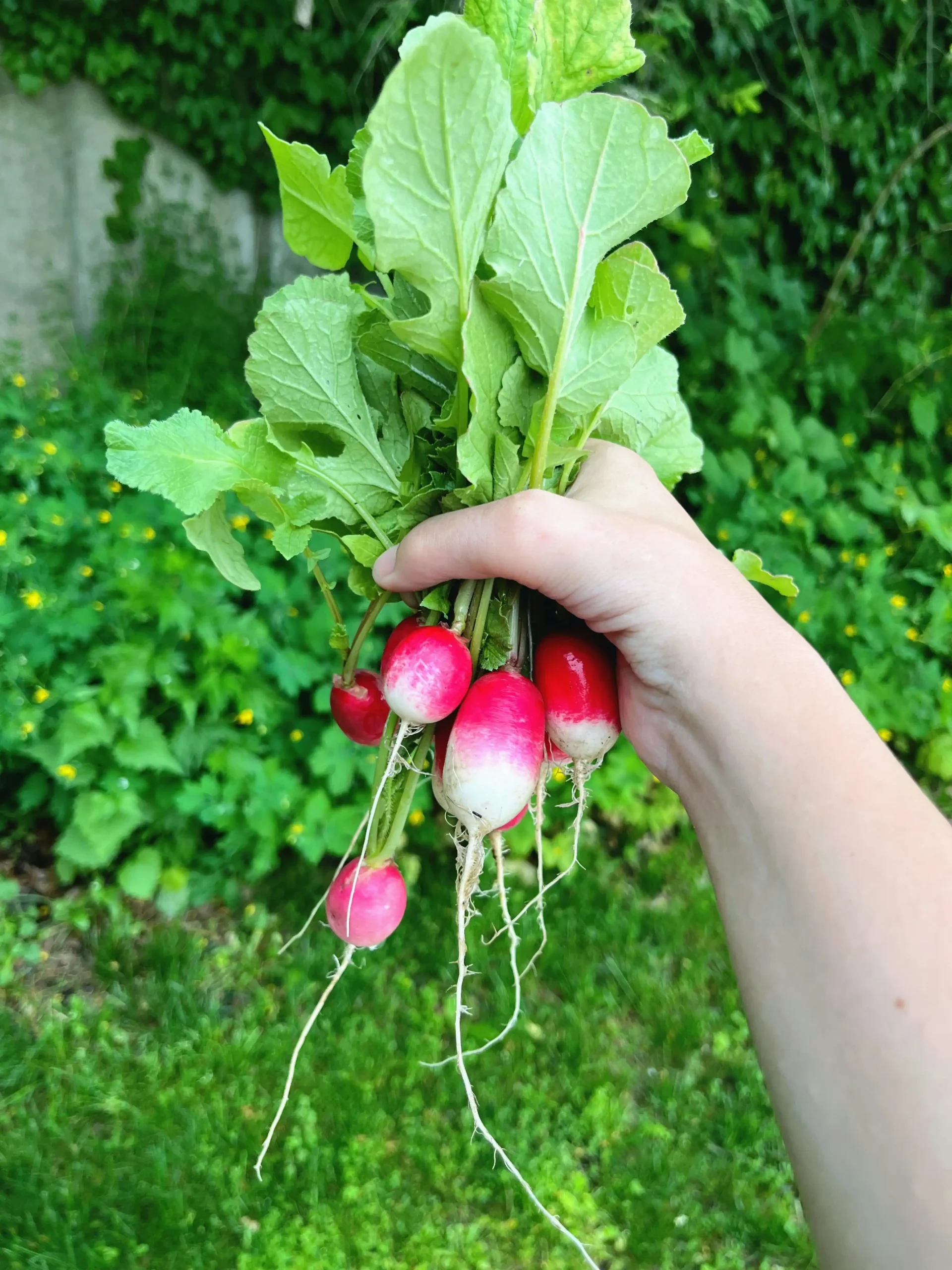
Growing radishes indoors is one of the fastest and most rewarding ways to harvest fresh vegetables at home. Unlike many crops that require months of waiting, radishes develop quickly and can provide a harvest in as little as three to five weeks, depending on the variety. Their compact size and rapid growth make them ideal for indoor gardeners who want reliable results without dedicating a large amount of space.
Many people assume root vegetables are difficult to grow indoors, but radishes are an exception. They adapt well to containers, require minimal maintenance, and perform exceptionally well when given loose soil, bright light, and consistent moisture. For beginners, they are often one of the easiest vegetables to start with, while experienced gardeners appreciate their quick turnaround and dependable harvests.
Why Grow Radishes Indoors?
One reason radishes are so popular among indoor gardeners is their speed. While crops like peppers and tomatoes can take months to mature, these crisp roots grow rapidly and provide almost immediate satisfaction.
Indoor growing also allows you to avoid many of the common challenges found in outdoor gardens. Heavy rain, compacted soil, and sudden weather changes can affect root development, but indoor conditions are much easier to manage. Benefits of growing radishes indoors include:
- Fast harvests
- Suitable for small spaces
- Easy for beginners
- Minimal maintenance
- Continuous planting throughout the year
Choosing the Right Container
Although radishes are relatively small vegetables, the container still plays an important role in determining the size and quality of the harvest. One of the most common mistakes gardeners make is using containers that are too shallow.
The roots need enough depth to expand naturally. When space is restricted, they often become small, misshapen, or fail to develop properly. Wide containers are equally important because they allow multiple plants to grow with adequate spacing. When choosing a container:
- Select a pot at least 6 to 8 inches deep
- Ensure drainage holes are present
- Use wider containers for larger harvests
- Avoid containers that retain excess water
- Choose sturdy pots that provide stable growing conditions
Selecting the Best Soil
Soil quality has a direct impact on root development. Unlike leafy vegetables that can tolerate heavier soil, radishes perform best in loose and airy growing media. Compact soil creates resistance as roots expand, often leading to twisted or undersized harvests. A lightweight potting mix allows roots to grow evenly while maintaining adequate moisture levels. For best results, use:
- Quality potting soil
- Compost for nutrients
- Perlite for improved drainage
- Organic matter for moisture retention
- Loose growing media free from stones and debris
Starting from Seed
Radishes should always be grown directly from seed because transplanting can damage young roots and affect development. Fortunately, germination is usually quick and reliable. Most varieties emerge within a few days when moisture and temperature levels remain consistent. Once seedlings appear, thinning becomes important to prevent overcrowding. For successful planting:
- Sow seeds about half an inch deep
- Keep soil evenly moist
- Provide consistent warmth
- Thin crowded seedlings early
- Leave adequate spacing between plants
Light Requirements
Light plays a major role in healthy growth and root formation. While foliage may continue growing in lower light conditions, root development often suffers. A bright windowsill can work well, but many indoor gardeners achieve better results with supplemental grow lights, especially during winter. To encourage strong growth:
- Provide at least 6 hours of bright light daily
- Use grow lights when sunlight is limited
- Rotate containers regularly
- Position plants close to light sources
- Avoid dark indoor locations
Watering Correctly
Consistent moisture is one of the most important factors for producing crisp and flavorful radishes. Soil that repeatedly dries out can cause roots to become woody, overly spicy, or cracked. At the same time, excessive watering creates poor growing conditions and may lead to root problems. The goal is to maintain evenly moist soil throughout the growing cycle. Good watering practices include:
- Check moisture levels regularly
- Water when the surface begins to dry
- Keep soil evenly moist
- Avoid soggy conditions
- Improve drainage if water remains on the surface
Temperature Requirements
Unlike warm season vegetables, radishes prefer cooler temperatures. Excessive heat can slow development and encourage premature flowering, which reduces root quality. A moderate indoor environment generally provides ideal growing conditions. For healthy growth:
- Maintain temperatures between 55°F and 75°F
- Avoid placing containers near heaters
- Protect plants from hot afternoon conditions
- Ensure adequate airflow
- Keep temperatures relatively stable
Fertilizing Needs
One advantage of growing radishes is that they are not heavy feeders. Rich soil often provides enough nutrition for an entire growing cycle. Applying excessive fertilizer, especially products high in nitrogen, can encourage lush leaf growth while reducing root development. Balanced nutrition is usually the best approach. Suitable nutrient sources include:
- Compost
- Balanced organic fertilizers
- Slow release nutrients
- Phosphorus rich amendments
- Organic matter incorporated into the soil
Succession Planting for Continuous Harvests
Because radishes mature so quickly, many gardeners plant new seeds every few weeks rather than sowing everything at once. This method ensures a continuous supply of fresh harvests rather than having all roots mature simultaneously. Succession planting is especially useful for indoor gardens where space is limited. For continuous production:
- Plant a small batch every two weeks
- Remove mature roots promptly
- Reuse available growing space
- Maintain fresh soil conditions
- Monitor spacing carefully
Common Growing Problems
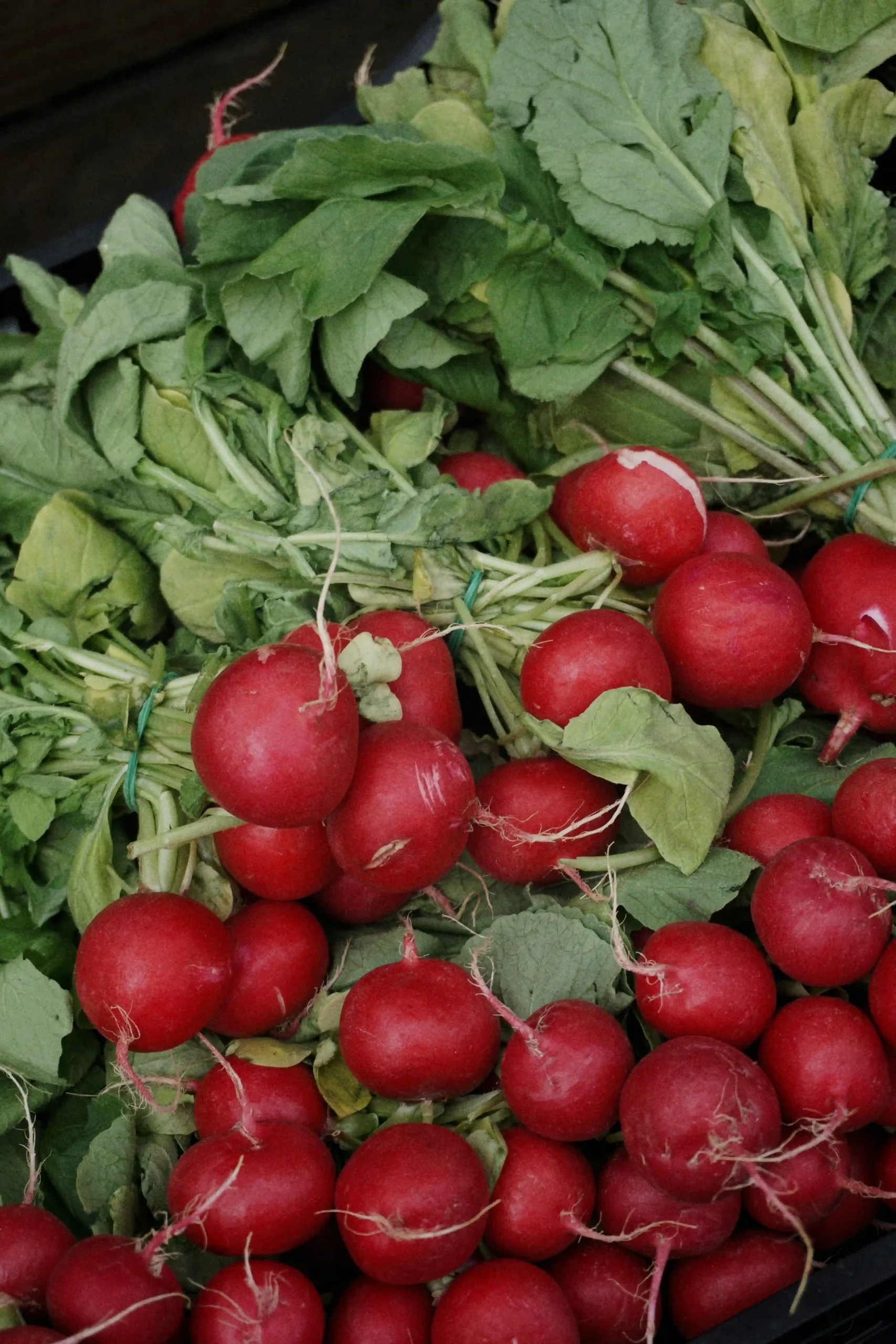
Even though radishes are considered beginner friendly, a few issues can affect root quality and harvest size. The good news is that most problems are easy to identify and correct when caught early. Common issues include:
- Small roots caused by overcrowding
- Cracked roots from inconsistent watering
- Excess foliage with poor root development
- Woody texture from delayed harvesting
- Misshapen roots due to compact soil
- Flowering caused by excessive heat
- Slow growth from inadequate light
Harvesting
One of the most exciting aspects of growing radishes indoors is how quickly harvest time arrives. Most varieties mature within a few weeks, making them one of the fastest vegetables you can grow. Many gardeners wait too long before harvesting, expecting larger roots. However, delaying harvest often reduces quality and leads to woody textures. Checking root size regularly helps ensure the best flavor and crunch. When harvesting:
- Check root size frequently
- Harvest once roots reach their expected size
- Pull gently from moist soil
- Remove damaged foliage
- Use freshly harvested roots for the best flavor
Final Thoughts
Growing radishes indoors is an excellent way to enjoy fresh vegetables regardless of the season. Their rapid growth, compact size, and minimal maintenance requirements make them one of the most practical crops for indoor gardening.
With loose soil, adequate light, proper spacing, and consistent watering, healthy roots can develop quickly and provide crisp harvests throughout the year. By planting new seeds regularly and harvesting at the right time, even a small indoor garden can produce a steady supply of fresh radishes for months.
Frequently Asked Questions (FAQs)
This is usually caused by overcrowding, excessive nitrogen fertilizer, poor lighting, or temperatures that are too warm. When conditions are not ideal, the plant focuses on leaf growth instead of root development.
Most varieties are ready to harvest within 3 to 5 weeks after planting. Some larger varieties may take a little longer to mature.
A container should be at least 6 to 8 inches deep for most varieties. Larger types may require slightly deeper pots.
Cracked roots usually occur when dry soil is followed by heavy watering. Consistent moisture helps prevent splitting.
Hot and spicy roots are often caused by heat stress, underwatering, or leaving them in the soil too long after maturity.
This usually happens when the soil is compacted, the variety is naturally elongated, or the roots do not have enough room to develop properly.
No, once the root is harvested, the plant will not produce another radish. New plants must be grown from seed.
Woody roots are usually the result of delayed harvesting. Most varieties should be harvested shortly after reaching their mature size.
Harvesting too early results in very small roots that may not have developed their full flavor or texture.
Yes, both crops have similar growing requirements and can be grown together if there is enough space for proper root development.



- Be Respectful
- Stay Relevant
- Stay Positive
- True Feedback
- Encourage Discussion
- Avoid Spamming
- No Fake News
- Don't Copy-Paste
- No Personal Attacks
- Be Respectful
- Stay Relevant
- Stay Positive
- True Feedback
- Encourage Discussion
- Avoid Spamming
- No Fake News
- Don't Copy-Paste
- No Personal Attacks
